

Hey there! As a supplier of cluster chimneys, I often get asked if a cluster chimney can be used with a gas furnace. Well, let's dig into this topic and find out.
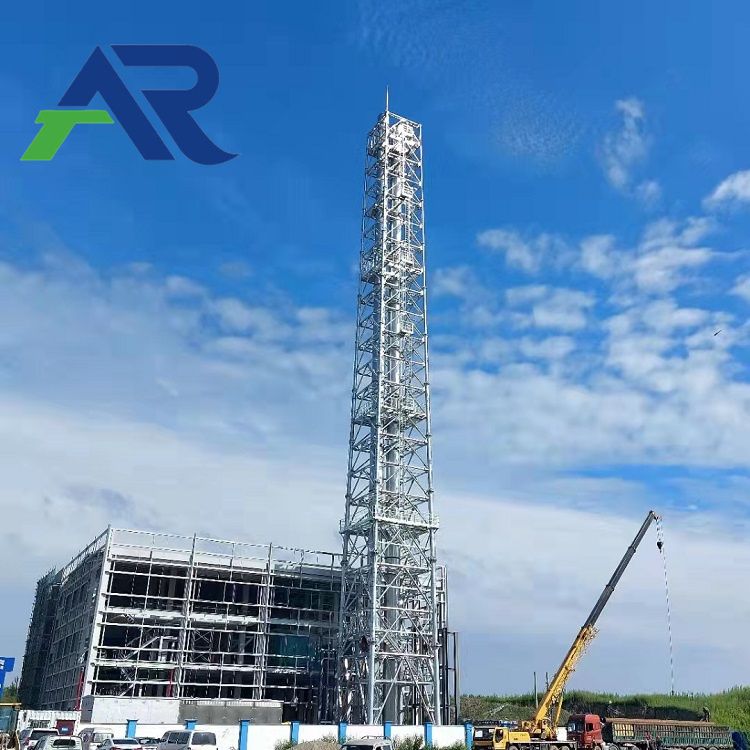
First off, what's a cluster chimney? A cluster chimney is a type of chimney system that can have multiple flues grouped together. It's commonly used in industrial and commercial settings, but can also find its way into some larger residential applications. We offer different types of cluster chimneys, like the Fiberglass Chimney, Titanium Steel Composite Plate Chimney, and Stainless Steel Chimneys. Each has its own unique features and benefits, which we'll touch on later.
Now, can you use a cluster chimney with a gas furnace? The short answer is yes, you can, but there are a bunch of things to consider.
Compatibility
One of the most important things is compatibility. Gas furnaces produce combustion gases, mainly carbon dioxide and water vapor, along with small amounts of other by - products. A cluster chimney needs to be able to handle these gases safely. The materials used in the chimney play a huge role here.
Our fiberglass chimneys are lightweight and corrosion - resistant. They're a great option for gas furnaces because they can handle the relatively low - temperature exhaust gases from these furnaces without getting damaged. Fiberglass is also non - conductive, which is an added safety bonus.
The titanium steel composite plate chimneys are super strong and have excellent corrosion resistance. They can withstand a wider range of temperatures and are suitable for gas furnaces, especially in more demanding environments where there might be a risk of chemical corrosion in the exhaust gases.
Stainless steel chimneys are also a popular choice. They're durable, easy to install, and can handle the exhaust from gas furnaces well. Stainless steel is resistant to rust and can last a long time, making it a cost - effective option for many users.

Venting Requirements
Gas furnaces have specific venting requirements. The chimney needs to provide proper draft to ensure that the combustion gases are safely removed from the furnace and out of the building. A cluster chimney can be designed to meet these requirements.
The size of the chimney flues is crucial. Each gas furnace has a recommended flue size based on its BTU (British Thermal Unit) output. If the flue is too small, it can cause back - drafting, which means the combustion gases can flow back into the building instead of going up the chimney. This is extremely dangerous as it can lead to carbon monoxide poisoning. On the other hand, if the flue is too large, it might not create enough draft, and the furnace may not operate efficiently.
When using a cluster chimney, we can design the flue sizes for each individual gas furnace in the cluster. This way, we can ensure that each furnace gets the right amount of venting and that the overall system works smoothly.
Installation and Maintenance
Proper installation is key when using a cluster chimney with a gas furnace. It's not a DIY job in most cases. A professional installer should be hired to make sure that the chimney is installed correctly, the connections are tight, and the venting system is properly sealed.
During installation, the chimney needs to be properly supported. A cluster chimney can be heavy, especially if it's made of steel or other dense materials. It should be securely attached to the building structure to prevent any movement or damage over time.
Maintenance is also essential. Regular inspections should be carried out to check for any signs of damage, blockages, or corrosion in the chimney. For gas furnaces, it's also important to clean the burners and other components regularly to ensure efficient operation. If there are any issues with the chimney, such as cracks or leaks, they should be repaired immediately to prevent safety hazards.
Cost Considerations
Using a cluster chimney with a gas furnace can have cost implications. The initial cost of the chimney depends on the type of material and the size of the system. Fiberglass chimneys are usually less expensive than steel chimneys, but they may have a shorter lifespan in some cases.
There are also ongoing costs for maintenance and energy. A well - designed and properly installed cluster chimney can improve the energy efficiency of the gas furnace. This means that over time, you can save on your energy bills. However, if the chimney is not installed correctly or maintained properly, it can lead to higher energy consumption and more frequent repairs.
Safety
Safety is always the top priority when using any heating system. When using a cluster chimney with a gas furnace, it's important to have carbon monoxide detectors installed in the building. Carbon monoxide is a colorless, odorless gas that can be produced if the furnace is not burning fuel properly or if there is a problem with the venting system.
The chimney should also be inspected for any signs of overheating or damage that could lead to a fire hazard. For example, if there are any blockages in the flue, it can cause the temperature in the chimney to rise, which could potentially start a fire.
Environmental Impact
Using a cluster chimney with a gas furnace also has environmental implications. Gas is a relatively clean - burning fuel compared to some other fossil fuels, but reducing emissions is still important. A well - designed cluster chimney can help to ensure that the combustion gases are properly vented and that the furnace operates as efficiently as possible. This can reduce the amount of greenhouse gases released into the atmosphere.
Choosing the Right Cluster Chimney
So, how do you choose the right cluster chimney for your gas furnace? Here are some tips:
- Assess Your Needs: Consider the size of your gas furnace, the number of furnaces in the cluster (if applicable), and the environment in which the chimney will be installed. If you're in a coastal area with high humidity, a more corrosion - resistant chimney like a titanium steel composite plate chimney might be a better choice.
- Consult a Professional: Talk to a professional installer or a chimney expert. They can help you determine the right chimney type, size, and installation method based on your specific situation.
- Budget: Set a budget for your chimney project. Remember to factor in the initial cost of the chimney, installation costs, and long - term maintenance costs.
In conclusion, using a cluster chimney with a gas furnace is definitely possible, but it requires careful planning, proper installation, and regular maintenance. We, as a cluster chimney supplier, are here to help you every step of the way. Whether you need a fiberglass chimney, a titanium steel composite plate chimney, or a stainless steel chimney, we've got the products and the expertise to meet your needs.
If you're interested in purchasing a cluster chimney for your gas furnace or have any questions, don't hesitate to reach out. We're always happy to have a chat and help you find the best solution for your situation. Let's work together to create a safe and efficient heating system for your home or business.
References
- "Gas Furnace Venting Guidelines" - National Fire Protection Association
- "Chimney Installation and Maintenance Handbook" - International Association of Certified Home Inspectors
- "Materials for Chimney Construction" - American Society of Civil Engineers