

As a supplier of tower chimneys, I often receive inquiries from clients about how our tower chimneys prevent ice formation during the winter months. Ice formation on tower chimneys can pose significant risks, including structural damage, reduced efficiency, and safety hazards. In this blog post, I will delve into the various methods and technologies we employ to ensure our tower chimneys remain ice-free in winter.
Understanding the Problem of Ice Formation
Before discussing the prevention methods, it's essential to understand why ice forms on tower chimneys in the first place. During winter, the temperature drops significantly, and when warm, moist air from the chimney comes into contact with the cold outer surface, water vapor condenses and freezes. This process is accelerated by factors such as high humidity, low wind speeds, and sub-zero temperatures.
Ice formation can have several detrimental effects on tower chimneys. Firstly, the weight of the ice can put additional stress on the chimney structure, potentially leading to cracks, deformation, or even collapse. Secondly, ice can block the chimney flue, reducing the flow of exhaust gases and decreasing the chimney's efficiency. This can result in increased energy consumption and poor air quality. Finally, falling ice chunks from the chimney pose a safety risk to people and property below.
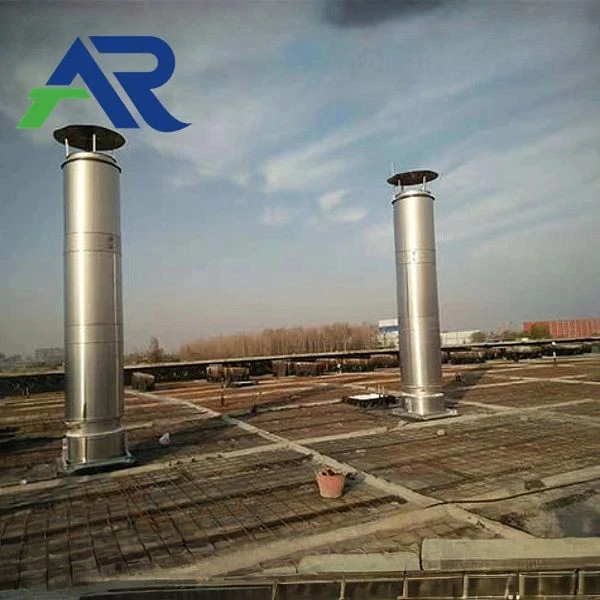
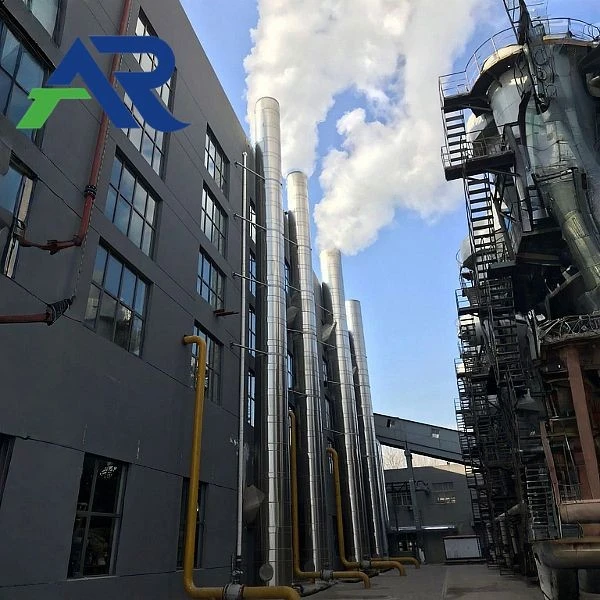
Design Considerations for Ice Prevention
One of the primary ways we prevent ice formation on our tower chimneys is through careful design. Our engineers take into account various factors, such as the local climate, wind patterns, and chimney usage, when designing the chimneys. Here are some key design features that help prevent ice formation:
Insulation
Proper insulation is crucial for preventing heat loss from the chimney and keeping the outer surface warm. We use high-quality insulation materials, such as fiberglass or mineral wool, to wrap the chimney walls. This insulation layer acts as a barrier, reducing the temperature difference between the inside and outside of the chimney and preventing condensation and ice formation.
Aerodynamic Design
An aerodynamic design helps to reduce the accumulation of ice on the chimney surface. Our tower chimneys are designed with smooth, streamlined shapes that minimize the surface area where ice can form. Additionally, the shape of the chimney can help to direct wind flow around the chimney, preventing the buildup of ice in certain areas.
Heating Systems
In some cases, we incorporate heating systems into our tower chimneys to prevent ice formation. These heating systems can be either electric or steam-based and are installed on the outer surface of the chimney. The heat generated by these systems keeps the chimney surface above the freezing point, preventing ice from forming.
Materials Selection for Ice Resistance
The choice of materials used in the construction of our tower chimneys also plays a significant role in preventing ice formation. We use materials that are resistant to corrosion, have good thermal properties, and are easy to clean. Here are some of the materials we commonly use:
Titanium Steel Composite Plate Tower Chimney
The Titanium Steel Composite Plate Tower Chimney is a popular choice for its excellent corrosion resistance and high strength. Titanium steel composite plates are made by bonding a thin layer of titanium to a steel substrate. This combination of materials provides the chimney with the strength and durability of steel, while the titanium layer protects the chimney from corrosion and ice formation.
Fiberglass Tower Chimney
Another option is the Fiberglass Tower Chimney. Fiberglass is a lightweight, corrosion-resistant material that is easy to install and maintain. It has excellent thermal insulation properties, which helps to prevent heat loss from the chimney and reduce the risk of ice formation. Additionally, fiberglass is smooth and non-porous, making it difficult for ice to adhere to the surface.
Maintenance and Monitoring
Regular maintenance and monitoring are essential for ensuring the continued effectiveness of our ice prevention measures. We recommend that our clients schedule regular inspections of their tower chimneys to check for any signs of ice formation, damage, or wear. Here are some maintenance tasks that can help prevent ice formation:
Cleaning
Regular cleaning of the chimney surface helps to remove any dirt, debris, or ice that may have accumulated. We recommend using a soft brush or pressure washer to clean the chimney surface, taking care not to damage the insulation or heating systems.
Inspection of Insulation and Heating Systems
Inspect the insulation and heating systems regularly to ensure they are functioning properly. Check for any signs of damage, such as tears or leaks, and repair or replace any damaged components as needed.
Monitoring of Weather Conditions
Monitor the local weather conditions closely, especially during the winter months. If there is a forecast of freezing temperatures or high humidity, take additional precautions to prevent ice formation, such as increasing the heat output of the heating systems or adjusting the chimney operation.
Conclusion
Preventing ice formation on tower chimneys is a critical aspect of ensuring their safety, efficiency, and longevity. At our company, we take a comprehensive approach to ice prevention, incorporating careful design, high-quality materials, and regular maintenance and monitoring. By using these methods, we can provide our clients with tower chimneys that are reliable and ice-free, even in the harshest winter conditions.
If you are interested in purchasing a tower chimney or have any questions about our ice prevention methods, please feel free to contact us. Our team of experts will be happy to assist you and provide you with more information.
References
- ASHRAE Handbook - HVAC Systems and Equipment. American Society of Heating, Refrigerating and Air-Conditioning Engineers.
- Chimney Safety Institute of America. Best Practices for Chimney Maintenance and Safety.
- International Building Code. Requirements for Chimney Design and Construction.