

Hey there! As a supplier of steel corrugated culverts, I've seen firsthand how crucial it is to choose the right size for your project. It's not just about slapping in any old culvert and hoping for the best. The size you pick can make or break the success of your construction, drainage, or whatever it is you're using the culvert for. So, let's dive into how you can make the right choice.
Understanding Your Project Needs
First things first, you gotta understand what your project is all about. Are you dealing with a small drainage ditch in a residential area or a large - scale highway project? The nature of the project will set the basic requirements for the culvert size.
For instance, if it's a small backyard drainage system, you won't need a huge culvert. A smaller size will do the job just fine, saving you money and space. On the other hand, if you're working on a major road where large volumes of water need to be diverted during heavy rain, you'll need a much bigger culvert.
Think about the flow rate of water. You can use some basic hydrological data to estimate how much water will pass through the culvert during peak conditions. This data can usually be obtained from local weather records or by consulting with a hydrologist. The flow rate is measured in cubic feet per second (cfs) or cubic meters per second (cms). Once you have an idea of the flow rate, you can start narrowing down the culvert sizes that can handle that volume of water.
Considering the Site Conditions
The site where the culvert will be installed also plays a huge role in determining the right size. Take a look at the topography of the land. Is it flat or hilly? If it's hilly, the water will flow more quickly, and you might need a larger culvert to accommodate the faster - moving water.
The soil type is another important factor. Some soils are more permeable than others. In areas with highly permeable soil, some of the water may seep into the ground, reducing the amount of water that needs to pass through the culvert. In contrast, in areas with less permeable soil, like clay, most of the water will run off and need to be channeled through the culvert.
Also, consider the available space. You might have a great size in mind based on the flow rate and other factors, but if there isn't enough room to install a large culvert, you'll have to find a compromise. Sometimes, you can install multiple smaller culverts side by side instead of one large one if space is an issue.
Checking the Load Requirements
Culverts often have to bear the weight of vehicles, pedestrians, or even buildings. So, you need to think about the load requirements. If your culvert is going to be under a busy road with heavy trucks, it needs to be strong enough to handle that weight.
The size of the culvert can affect its strength. Generally, larger culverts can distribute the load over a wider area, but they also need to be made of thicker and stronger steel to withstand the pressure. You can use engineering calculations to determine the appropriate thickness of the steel based on the size of the culvert and the expected load.
Looking at the Material and Shape
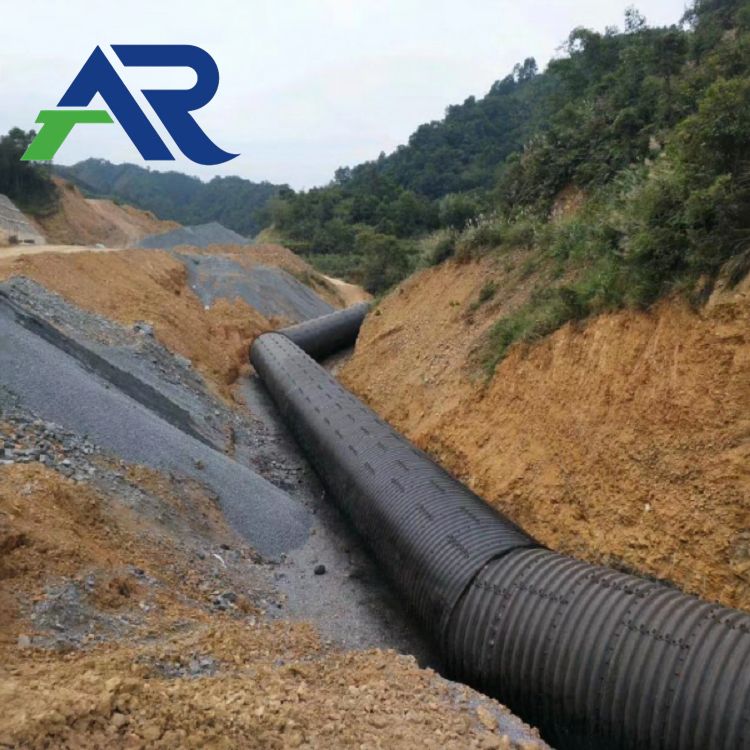
The material and shape of the culvert can also influence the size choice. Steel corrugated culverts are popular because they're strong, durable, and relatively easy to install. The corrugations in the steel add strength and flexibility.
There are different shapes of steel corrugated culverts, such as circular, elliptical, and arch - shaped. Circular culverts are the most common and are great for general drainage applications. They can handle a wide range of flow rates and are easy to manufacture and install. Elliptical and arch - shaped culverts are often used in situations where there are height restrictions or where you want to maximize the flow capacity without using a very large diameter.
When choosing the size, keep in mind that different shapes may have different flow characteristics. For example, an arch - shaped culvert may have a lower profile but can still handle a significant amount of water if designed correctly.
Industry Standards and Regulations
Don't forget about industry standards and local regulations. There are often specific requirements for culvert sizes, materials, and installation methods. These standards are in place to ensure the safety and effectiveness of the culverts.
Before making a final decision on the size, check with your local building department or relevant authorities to make sure you're in compliance. They can provide you with guidelines and may even have pre - approved culvert sizes for different types of projects.
Our Product Range
At our company, we offer a wide range of steel corrugated culverts in various sizes and shapes. Whether you need a small circular culvert for a residential project or a large arch - shaped one for a major infrastructure development, we've got you covered.
We also provide Corrugated Pipe for Subway Passage, which are designed to meet the specific requirements of subway construction. These pipes are strong, corrosion - resistant, and can handle the unique environmental conditions underground.
If you're involved in wind energy projects, our Wind Tower Foundation Corrugated Outer Tube is a great option. It provides the necessary support and protection for the wind tower foundation.
For urban infrastructure, our Steel Urban Underground Integrated Pipeline Corridor offers a comprehensive solution for housing multiple utility lines in a single structure.
Making the Final Decision
Once you've considered all the factors above, it's time to make the final decision on the culvert size. You can use some software or online calculators to compare different sizes and their performance based on your project requirements.
It's also a good idea to consult with an engineer or an experienced contractor. They can offer valuable insights and help you avoid costly mistakes.
If you're still unsure about which size of steel corrugated culvert is right for your project, don't hesitate to reach out to us. We have a team of experts who can assist you in making the best choice. We can also provide you with detailed product information, pricing, and installation guidance.

Contact us today to start the procurement process and let's work together to ensure your project's success!
References
- Chow, V. T. (1959). Open - Channel Hydraulics. McGraw - Hill.
- American Association of State Highway and Transportation Officials (AASHTO). (2017). AASHTO LRFD Bridge Design Specifications.
- Federal Highway Administration (FHWA). (2012). Hydraulic Design of Highway Culverts.