
Do free standing chimneys need a rain cap? This is a question that often comes up when discussing the functionality and maintenance of free standing chimneys. As a supplier of free standing chimneys, I've encountered this query numerous times from customers, and I believe it's essential to provide a comprehensive answer.

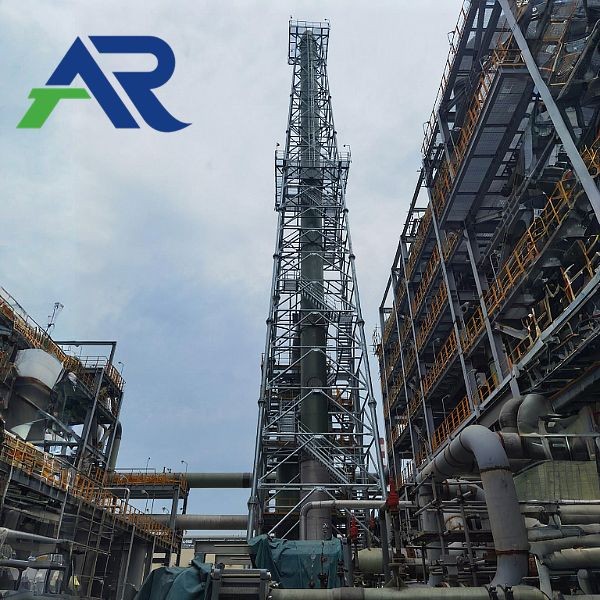
The Basics of Free Standing Chimneys
Before delving into the necessity of rain caps, let's briefly understand what free standing chimneys are. Free standing chimneys are independent structures designed to vent exhaust gases from industrial processes, heating systems, or other sources. They are not attached to a building and can be installed in various locations, providing flexibility in ventilation solutions.
We offer a range of free standing chimneys, including Multi-sleeve Chimney, Stainless Steel Factory Chimney, and Single Sleeve Chimney. Each type has its own unique features and applications, but they all share the common purpose of safely removing exhaust gases from the source.
The Role of a Rain Cap
A rain cap, as the name suggests, is a device installed at the top of a chimney to prevent rainwater from entering the chimney flue. It typically consists of a cover or hood that is designed to deflect rain, snow, and other forms of precipitation away from the chimney opening.
Protection Against Water Damage
One of the primary reasons for installing a rain cap on a free standing chimney is to protect the chimney from water damage. When rainwater enters the chimney flue, it can cause a variety of problems. For example, it can erode the chimney lining, which is responsible for protecting the chimney structure from the high temperatures and corrosive gases produced by the combustion process. Over time, this erosion can weaken the chimney lining, leading to cracks and leaks that can compromise the safety and efficiency of the chimney.
In addition to damaging the chimney lining, water can also cause rust and corrosion on the exterior of the chimney. This is especially true for metal chimneys, such as our Stainless Steel Factory Chimney. Rust and corrosion can weaken the structural integrity of the chimney, making it more susceptible to damage from wind, earthquakes, and other environmental factors.
Prevention of Blockages
Another benefit of a rain cap is that it can help prevent blockages in the chimney flue. When leaves, twigs, and other debris accumulate in the chimney, they can restrict the flow of exhaust gases, leading to poor ventilation and potential safety hazards. A rain cap with a mesh screen can prevent these materials from entering the chimney, keeping the flue clear and ensuring proper airflow.
Protection Against Animals
Rain caps can also provide protection against animals that may try to enter the chimney. Birds, squirrels, and other small animals may build nests in the chimney flue, which can cause blockages and pose a fire hazard. A rain cap can prevent these animals from accessing the chimney, reducing the risk of damage and ensuring the safety of the chimney system.
Situations Where a Rain Cap May Not Be Necessary
While rain caps offer many benefits, there are some situations where they may not be necessary. For example, in areas with very low rainfall or where the chimney is located in a sheltered area, the risk of water damage may be minimal. In these cases, the cost and maintenance of a rain cap may outweigh the benefits.
Additionally, some industrial processes may require a chimney to be open at the top to allow for proper ventilation. In these situations, a rain cap may interfere with the airflow and reduce the efficiency of the chimney. It's important to consult with a professional chimney technician or engineer to determine whether a rain cap is appropriate for your specific application.
Considerations When Choosing a Rain Cap
If you decide that a rain cap is necessary for your free standing chimney, there are several factors to consider when choosing the right one.
Material
Rain caps are available in a variety of materials, including stainless steel, aluminum, and copper. Stainless steel is a popular choice because it is durable, corrosion-resistant, and can withstand high temperatures. Aluminum is lightweight and relatively inexpensive, but it may not be as durable as stainless steel. Copper is a more expensive option, but it is highly corrosion-resistant and has a long lifespan.
Size and Design
The size and design of the rain cap should be compatible with the size and shape of your chimney. A rain cap that is too small may not provide adequate protection, while a rain cap that is too large may be difficult to install and may not fit properly. It's important to measure the diameter and height of your chimney before choosing a rain cap to ensure a proper fit.
Mesh Screen
As mentioned earlier, a rain cap with a mesh screen can help prevent blockages in the chimney flue. When choosing a rain cap, look for one with a fine mesh screen that is designed to keep out small debris and animals. The mesh screen should be made of a durable material, such as stainless steel, to ensure long-lasting performance.
Installation and Maintenance
Proper installation and maintenance of a rain cap are essential to ensure its effectiveness and longevity. It's recommended to have a professional chimney technician install the rain cap to ensure that it is installed correctly and securely.
Once the rain cap is installed, it's important to inspect it regularly for damage or blockages. The mesh screen should be cleaned periodically to remove any debris that may have accumulated. If the rain cap is damaged or worn, it should be replaced immediately to ensure continued protection for the chimney.
Conclusion
In conclusion, while free standing chimneys do not always require a rain cap, in most cases, it is a wise investment. A rain cap can provide protection against water damage, blockages, and animals, ensuring the safety and efficiency of the chimney system. When choosing a rain cap, it's important to consider the material, size, design, and mesh screen to ensure that it is suitable for your specific application.
If you have any questions about free standing chimneys or rain caps, or if you are interested in purchasing a free standing chimney from us, please don't hesitate to contact us. We are a leading supplier of free standing chimneys and can provide you with the expert advice and high-quality products you need.
References
- Chimney Safety Institute of America. (n.d.). Chimney Caps. Retrieved from [Website URL]
- National Fire Protection Association. (n.d.). NFPA 211: Standard for Chimneys, Fireplaces, Vents, and Solid Fuel-Burning Appliances. Retrieved from [Website URL]