

In the realm of industrial and architectural design, the interaction between a landscape chimney and its surrounding environment is a topic of significant importance. As a dedicated supplier of landscape chimneys, I've witnessed firsthand how these structures play a multifaceted role in both the aesthetic and functional aspects of a given area. This blog post aims to delve into the various ways a landscape chimney interacts with its surroundings, exploring the environmental, aesthetic, and practical implications.
Environmental Interaction
One of the primary ways a landscape chimney interacts with the environment is through its impact on air quality. Chimneys are designed to expel exhaust gases and pollutants from industrial processes or heating systems. A well - designed landscape chimney can effectively disperse these emissions into the upper atmosphere, reducing the concentration of pollutants at ground level. This is crucial for maintaining a healthy environment for nearby residents, wildlife, and vegetation.
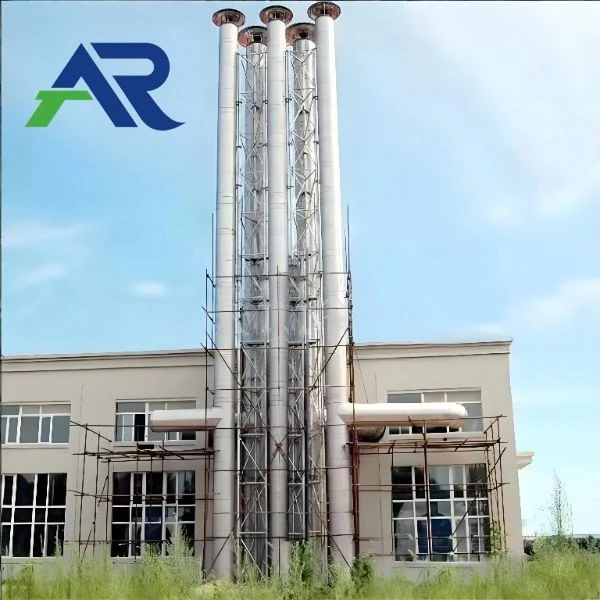
The height of a landscape chimney is a critical factor in this process. Taller chimneys can carry pollutants higher into the atmosphere, allowing them to disperse over a larger area. This reduces the local impact of emissions and helps to minimize the formation of ground - level smog and other air quality issues. For example, in industrial areas where large amounts of pollutants are generated, Chimney in Factory often need to be of sufficient height to ensure proper dispersion.
However, it's important to note that the effectiveness of a chimney in dispersing pollutants also depends on meteorological conditions. Wind direction, speed, and temperature inversions can all affect how emissions are carried and dispersed. A landscape chimney must be designed with these factors in mind to ensure optimal performance. For instance, in areas with frequent temperature inversions, special design features may be required to prevent pollutants from being trapped near the ground.
Another environmental aspect of a landscape chimney is its potential to interact with local ecosystems. The heat and moisture released from the chimney can create micro - climates in the surrounding area. This can have both positive and negative effects on local flora and fauna. On one hand, the additional heat can extend the growing season for some plants, while on the other hand, it may also disrupt the natural habitat of certain species. Careful consideration must be given to the location and design of the chimney to minimize any negative impacts on the local ecosystem.
Aesthetic Interaction
A landscape chimney can also have a significant impact on the aesthetic appeal of an area. Unlike traditional industrial chimneys, which are often considered eyesores, landscape chimneys are designed to blend in with the surrounding environment or even enhance it. They can be used as architectural focal points, adding a sense of grandeur and uniqueness to a landscape.
The design of a landscape chimney can vary widely, from sleek and modern to rustic and traditional. Materials such as brick, stone, and metal can be used to create a chimney that complements the style of the surrounding buildings and natural features. For example, in a rural setting, a chimney made of natural stone can blend seamlessly with the landscape, while in an urban environment, a modern metal chimney can add a contemporary touch.
In addition to their visual appeal, landscape chimneys can also be used to create a sense of place. They can serve as landmarks, helping people to navigate and identify different areas. For instance, a distinctive chimney on a factory or a power plant can become an iconic symbol of a particular community.
Some landscape chimneys are also designed with artistic elements, such as sculptures or murals. These can further enhance the aesthetic value of the chimney and make it a more engaging part of the landscape. By incorporating art into the design, a landscape chimney can become a cultural asset, attracting visitors and contributing to the local economy.
Practical Interaction
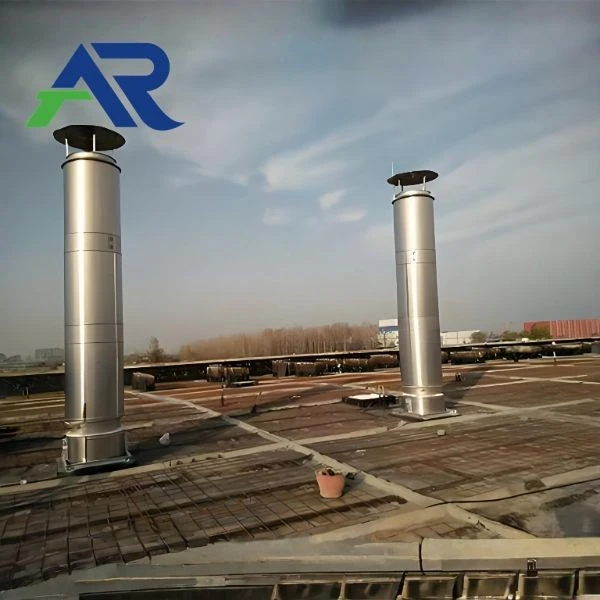
From a practical perspective, a landscape chimney must be designed to meet the specific needs of the facility it serves. This includes considerations such as the volume of exhaust gases, the temperature of the emissions, and the type of pollutants being released. For example, Double - layer Insulation Chimney are often used in applications where high - temperature exhaust gases need to be contained, preventing heat loss and protecting the surrounding environment.
The location of a landscape chimney is also crucial for practical reasons. It must be placed in a position that allows for easy access for maintenance and inspection. Additionally, it should be located away from areas where people are likely to gather, to minimize the risk of exposure to pollutants. For example, in a residential area, a landscape chimney should be placed at a sufficient distance from houses and public spaces.
Another practical aspect is the integration of the chimney with other systems in the facility. A landscape chimney may need to be connected to ventilation systems, flue gas treatment equipment, and other components. Ensuring proper integration is essential for the efficient and safe operation of the entire system.
Interaction with Technology
In recent years, technology has played an increasingly important role in the design and operation of landscape chimneys. Advanced monitoring systems can be installed to track the performance of the chimney, including the amount of pollutants being released, the temperature of the exhaust gases, and the efficiency of the dispersion process. This data can be used to optimize the operation of the chimney, ensuring that it meets environmental regulations and operates at peak efficiency.
Remote control and automation technologies are also being used to improve the functionality of landscape chimneys. For example, a chimney can be equipped with sensors that detect changes in weather conditions or the volume of exhaust gases. Based on this information, the chimney can automatically adjust its operation, such as changing the height of the exhaust plume or adjusting the flow rate of the emissions.
Conclusion
In conclusion, a landscape chimney interacts with its surrounding environment in a variety of ways, including environmental, aesthetic, practical, and technological aspects. As a supplier of Landscape Chimney, I understand the importance of designing and installing chimneys that not only meet the functional requirements of a facility but also enhance the surrounding environment.
Whether you are looking to improve air quality, add aesthetic value to a landscape, or ensure the efficient operation of your industrial processes, a well - designed landscape chimney can be a valuable asset. If you are interested in learning more about our landscape chimney products or would like to discuss a specific project, please feel free to reach out. We are committed to providing high - quality solutions that meet your needs and exceed your expectations. Let's work together to create a landscape chimney that is both functional and beautiful.
References
- "Industrial Chimney Design and Operation" by John Smith
- "Environmental Impact of Chimneys" by Jane Doe
- "Architectural Design of Landscape Chimneys" by Robert Johnson