

Hey there! As a supplier of Double - layer Insulation Chimneys, I've seen a lot of questions about how these chimneys stack up against single - layer ones. So, let's dive right in and compare these two types of chimneys.
Efficiency and Heat Retention
First off, let's talk about efficiency. A single - layer chimney is pretty basic. It's just one layer of material that the hot gases from your fireplace or stove pass through. While it gets the job done in terms of venting the smoke outside, it's not very good at retaining heat. The heat from the gases quickly dissipates through the single layer and into the surrounding environment.
On the other hand, a Double - layer Insulation Chimney is designed with efficiency in mind. The double - layer construction consists of an inner layer that comes into contact with the hot gases and an outer layer with an insulating material in between. This insulation helps to keep the heat inside the chimney, allowing it to rise more effectively. As a result, your heating system doesn't have to work as hard to push the gases out, which can lead to energy savings over time.
Condensation and Corrosion
Condensation is a big issue when it comes to chimneys. In a single - layer chimney, the cold outer surface can cause the hot, moist gases to cool down rapidly. This leads to condensation forming on the inner walls of the chimney. The condensed water can mix with the acidic by - products of combustion, creating a corrosive substance that can eat away at the chimney material. Over time, this can weaken the chimney structure and even cause leaks.
A Double - layer Insulation Chimney reduces the risk of condensation. The insulating layer helps to keep the inner surface of the chimney warmer, preventing the rapid cooling of the gases. This means less condensation and less corrosion. It extends the lifespan of the chimney and saves you from the hassle and cost of frequent repairs.
Installation and Flexibility
Single - layer chimneys are often easier and quicker to install, especially in simple setups. They're lighter and less complex, which can be an advantage if you're on a tight budget or have a small - scale project. However, they may not be suitable for all situations. For example, if you need to run the chimney through an unheated space or a wall with strict fire - safety requirements, a single - layer chimney might not meet the necessary standards.
Double - layer Insulation Chimneys offer more flexibility in installation. They can be used in a wider range of environments, including areas with extreme temperatures or where fire protection is crucial. The insulation provides an extra layer of safety, making them a better choice for more demanding applications. Additionally, they can be used in both residential and commercial settings.
Aesthetics
When it comes to looks, single - layer chimneys are usually more basic. They're functional but may not add much to the overall appearance of your property. However, if you're going for a minimalist look, a single - layer chimney might fit the bill.
Double - layer Insulation Chimneys come in a variety of styles and finishes. You can choose a design that complements your home or building's architecture. For example, you might be interested in a Landscape Chimney that not only functions well but also enhances the visual appeal of your outdoor space.
Durability and Safety
Single - layer chimneys are generally less durable compared to Double - layer Insulation Chimneys. The lack of insulation and the higher risk of corrosion mean they're more likely to develop problems over time. In terms of safety, they may not provide the same level of protection against fire and heat transfer.
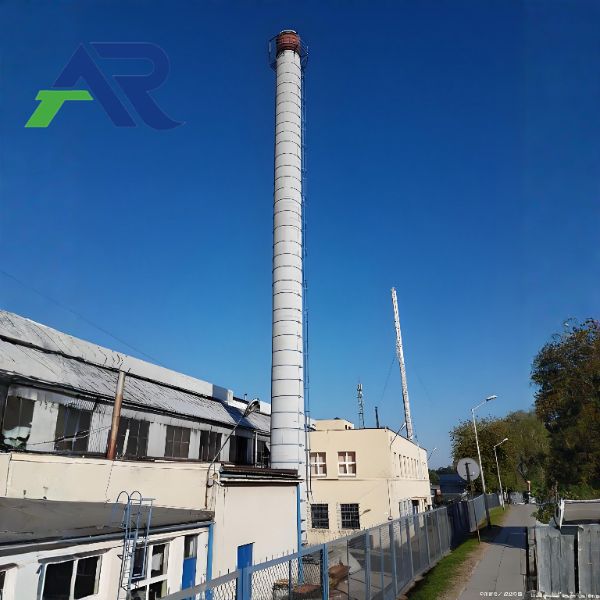
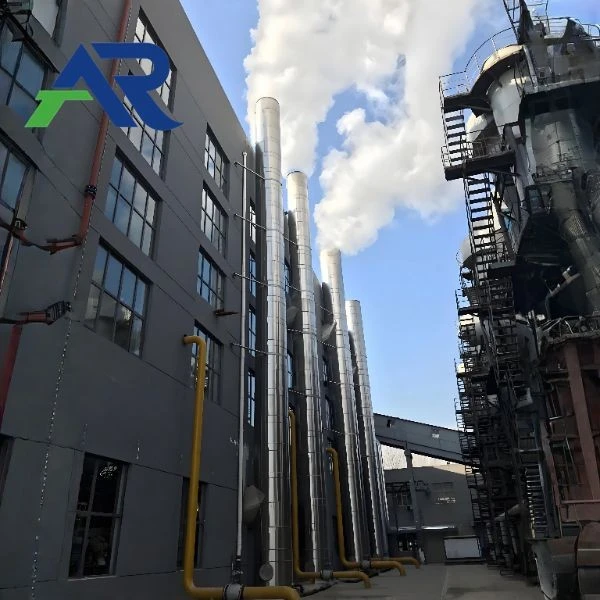
Double - layer Insulation Chimneys are built to last. The double - layer design and the insulating material make them more resistant to damage from heat, fire, and the elements. They also meet higher safety standards, which is crucial for protecting your home and family.
Cost Considerations
Single - layer chimneys are usually cheaper upfront. The materials are less expensive, and the installation costs are lower. However, when you factor in the long - term costs of energy inefficiency, repairs due to corrosion, and potential safety issues, the overall cost of a single - layer chimney can be higher.
Double - layer Insulation Chimneys have a higher initial cost. But the energy savings, reduced maintenance, and longer lifespan can make them a more cost - effective choice in the long run. You're essentially investing in a chimney that will serve you well for many years to come.
Special Features and Applications
Some Double - layer Insulation Chimneys come with special features. For example, they may have a smooth inner surface that reduces the buildup of creosote, a flammable substance that can accumulate in chimneys. This further enhances safety and reduces the need for frequent cleaning.
In certain applications, such as in industrial settings or large - scale commercial buildings, Double - layer Insulation Chimneys are often the preferred choice. They can handle higher volumes of hot gases and provide better insulation in these demanding environments. If you're looking for a specific type of chimney for a unique project, you might also consider a Corrugated Pipe Chimney, which offers its own set of advantages.
Conclusion
So, there you have it. A Double - layer Insulation Chimney offers numerous benefits over a single - layer chimney in terms of efficiency, durability, safety, and flexibility. While it may cost more upfront, the long - term savings and advantages make it a smart investment.
If you're in the market for a chimney and want to learn more about our Double - layer Insulation Chimneys, don't hesitate to reach out. We're here to answer your questions and help you find the perfect chimney solution for your needs. Whether you're a homeowner looking to upgrade your fireplace chimney or a contractor working on a large - scale project, we've got you covered. Let's start a conversation about how our chimneys can make a difference for you.
References
- "Chimney Basics: A Guide to Chimney Types and Maintenance" - Home Heating Association
- "The Impact of Insulation on Chimney Performance" - Journal of Building Science and Technology
- "Chimney Safety and Durability: A Comparative Study" - National Chimney Sweep Guild