

Yo, folks! I'm a supplier of Smart Light Poles, and today I wanna chat about a super important question: Can a Smart Light Pole resist corrosion?
First off, let's get into what Smart Light Poles are. These bad boys are way more than just your average light poles. They're equipped with all sorts of high - tech features like sensors, cameras, and communication modules. You can check out more about them on our website Smart Light Pole. They're designed to make our cities smarter, safer, and more efficient. But when it comes to the great outdoors, corrosion is a real concern.
Corrosion is basically the deterioration of a material, usually metal, due to chemical reactions with its environment. For Smart Light Poles, this can be a big deal. If the pole starts to corrode, it can weaken the structure, affect its functionality, and even pose a safety risk. There are different types of corrosion that Smart Light Poles might face, like rusting (oxidation) when they're exposed to moisture and oxygen, or pitting corrosion which can happen when there are small defects in the surface of the pole.
So, can they resist corrosion? Well, it depends on a few factors.
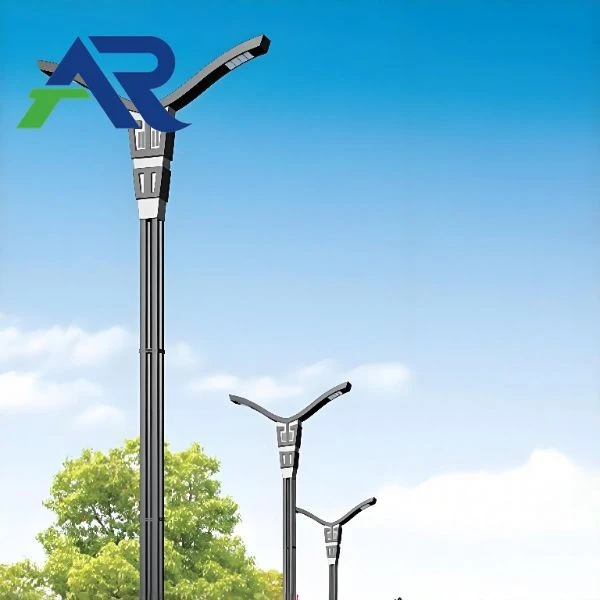
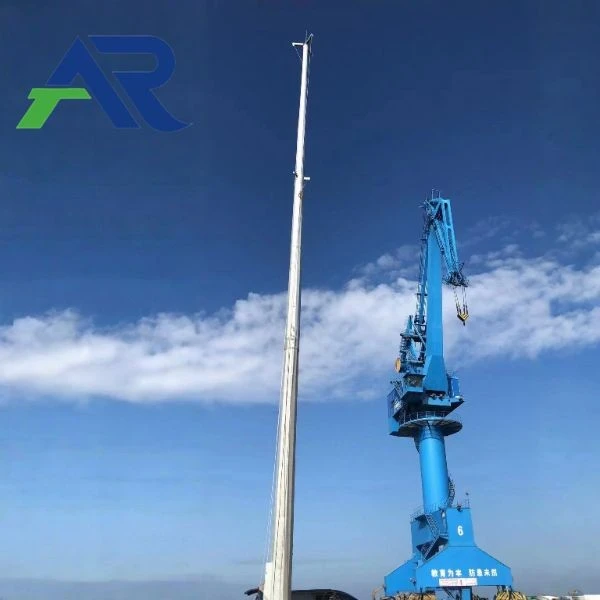
Material Matters
The material used to make the Smart Light Pole plays a huge role. Most of the time, we use steel or aluminum. Steel is strong and can handle a lot of weight, but it's more prone to rusting. However, if it's properly treated, it can be made quite resistant to corrosion. For example, galvanized steel has a layer of zinc on it. Zinc acts as a sacrificial anode, which means it corrodes first before the steel does. This gives the pole an extra layer of protection.
Aluminum, on the other hand, has a natural oxide layer that forms on its surface when it's exposed to air. This oxide layer is actually pretty good at protecting the aluminum from further corrosion. It's lightweight, which makes it easier to install and transport. But it also has its limitations. In some harsh environments, like areas with high levels of salt in the air (near the ocean), the oxide layer might not be enough to prevent corrosion completely.
Coating is Key
Another important factor is the coating applied to the Smart Light Pole. There are different types of coatings available, and each has its own benefits. Powder coating is a popular choice. It's a dry finishing process where a fine powder is electrostatically applied to the pole and then baked in an oven. This creates a tough, durable finish that can resist scratches, chips, and corrosion. It also comes in a wide range of colors, so you can customize the look of your poles.
Epoxy coatings are also used, especially in areas where the pole will be exposed to chemicals or harsh weather conditions. Epoxy is very resistant to abrasion and corrosion, and it can form a strong bond with the surface of the pole. But it's important to make sure the surface is properly prepared before applying the coating. Any dirt, grease, or rust on the surface can prevent the coating from adhering properly, which can lead to premature corrosion.
Maintenance and Monitoring
Even with the best materials and coatings, regular maintenance and monitoring are crucial. You can't just install a Smart Light Pole and forget about it. Periodic inspections should be carried out to check for any signs of corrosion. This can include looking for rust spots, peeling paint, or any other visible damage. If any issues are found, they should be addressed immediately.
Some Smart Light Poles are equipped with sensors that can monitor the condition of the pole in real - time. These sensors can detect changes in temperature, humidity, and even the presence of corrosive substances. This allows for proactive maintenance, which can save a lot of time and money in the long run.
Comparing with Other Types of Poles
Let's take a quick look at how Smart Light Poles stack up against other types of poles, like Municipal Light Pole and Traffic Signal Pole Types. Municipal light poles are mainly used for general street lighting in cities. They usually have a simpler design and might not have all the high - tech features of Smart Light Poles. But they still need to resist corrosion, especially since they're often exposed to the elements for long periods of time.
Traffic signal poles, on the other hand, are critical for traffic safety. They need to be strong and stable, and corrosion can seriously affect their performance. Smart Light Poles, with their advanced materials and coatings, can often offer better corrosion resistance compared to these traditional poles. This means they can last longer and require less maintenance, which is a big plus for cities and municipalities.
Real - World Examples
I've seen some real - world examples where Smart Light Poles have held up well against corrosion. In a coastal city, we installed a bunch of Smart Light Poles along the boardwalk. The area has a high salt content in the air, which is really tough on metal. But because we used galvanized steel poles with a powder coating, they've been looking great for years. There's been very little sign of corrosion, and the sensors and other features are still working perfectly.
On the other hand, I've also seen cases where improper installation or lack of maintenance led to corrosion problems. In one project, the poles were installed without proper surface preparation before the coating was applied. As a result, the coating started to peel off after a few months, and rust started to form. This could have been easily avoided with better quality control during the installation process.
Conclusion
So, to answer the question, yes, a Smart Light Pole can resist corrosion. But it requires the right combination of materials, coatings, and maintenance. If you're in the market for Smart Light Poles, make sure you choose a supplier who understands the importance of corrosion resistance and can provide you with high - quality products.
If you're interested in learning more about our Smart Light Poles or have any questions about corrosion resistance, feel free to reach out. We're always happy to have a chat and help you find the best solution for your project. Whether you're a city planner, a contractor, or just someone interested in smart city technology, we've got the expertise and the products to meet your needs. Let's work together to make our cities smarter and more sustainable!
References
- "Corrosion Science and Engineering" by Roberge, P. R.
- "Materials for Civil and Construction Engineers" by Mamlouk, M. S. and Zaniewski, J.