
As a supplier of cluster chimneys, I've witnessed firsthand the intricate dance between these essential structures and boilers. Cluster chimneys play a pivotal role in the efficient and safe operation of boilers, and understanding their working mechanism is crucial for anyone involved in industrial heating systems.
The Basics of Boiler Exhaust
Before delving into how cluster chimneys work with boilers, it's important to understand the basics of boiler exhaust. Boilers burn fuel, such as natural gas, oil, or coal, to produce heat. This combustion process generates hot gases and steam, which contain various by - products, including carbon dioxide, water vapor, and potentially harmful pollutants like sulfur dioxide and particulate matter.
The primary function of the chimney is to remove these exhaust gases from the boiler and release them into the atmosphere at a safe height. This not only prevents the accumulation of toxic gases in the boiler room but also helps in complying with environmental regulations.
How Cluster Chimneys Differ from Single Chimneys
A single chimney is designed to serve one boiler or a small number of boilers. In contrast, a cluster chimney is a system that combines multiple flues into a single structure. This design offers several advantages. Firstly, it saves space, which is often a premium in industrial settings. Secondly, it can enhance the overall draft efficiency. Draft is the force that pulls the exhaust gases out of the boiler and up the chimney. In a cluster chimney, the combined heat from multiple flues can create a stronger draft compared to individual single chimneys.
The Working Mechanism of a Cluster Chimney with a Boiler
1. Draft Creation
The process starts with the creation of draft. When the boiler burns fuel, the hot exhaust gases rise due to their lower density compared to the surrounding air. This natural buoyancy creates an upward flow of gases. In a cluster chimney, the multiple flues contribute to a larger volume of hot gases, which in turn increases the buoyant force. The taller the chimney, the stronger the draft, as the pressure difference between the bottom and the top of the chimney is greater.
2. Flue Gas Collection
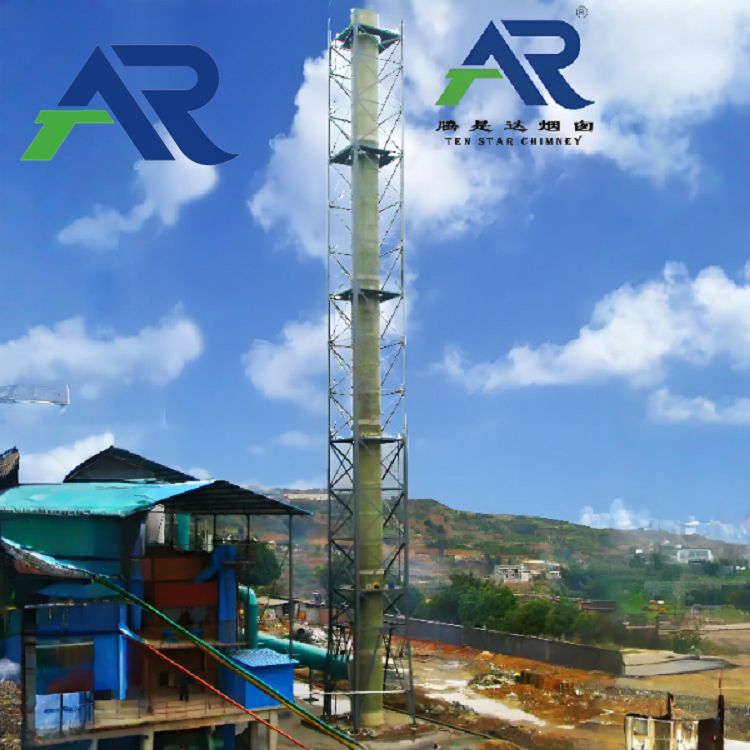
Each boiler is connected to a separate flue within the cluster chimney. These flues collect the exhaust gases from their respective boilers. The flues are designed to prevent cross - contamination between different boilers. They are usually made of materials that can withstand high temperatures and corrosive gases. For example, Stainless Steel Chimneys are a popular choice due to their excellent corrosion resistance and durability.

3. Mixing and Dispersion
Once the flue gases enter the cluster chimney, they may mix to some extent. However, the design of the chimney ensures that the mixing is controlled. The goal is to maintain a stable flow of gases and prevent any back - flow or turbulence that could disrupt the draft. As the gases rise up the chimney, they are dispersed into the atmosphere at a safe height. This dispersion helps in reducing the concentration of pollutants at ground level.
4. Temperature Regulation
The temperature of the exhaust gases is an important factor. If the gases are too cold, the draft may be weak, and condensation may occur inside the chimney, leading to corrosion. On the other hand, if the gases are too hot, they can damage the chimney structure. In a cluster chimney, the combined heat from multiple boilers can help in maintaining an optimal temperature range. Additionally, some cluster chimneys are equipped with insulation materials to further regulate the temperature.
Types of Cluster Chimneys and Their Suitability for Boilers
1. Stainless Steel Chimneys
Stainless Steel Chimneys are highly suitable for boilers. They are resistant to corrosion, which is a major concern when dealing with acidic exhaust gases. Stainless steel can withstand high temperatures and is relatively easy to install and maintain. These chimneys are often used in commercial and industrial boilers where long - term durability is required.
2. Titanium Steel Composite Plate Chimney
The Titanium Steel Composite Plate Chimney combines the strength of steel with the corrosion - resistant properties of titanium. This type of chimney is ideal for boilers that burn fuels with high sulfur content, as it can better withstand the corrosive effects of sulfur dioxide. It also offers good thermal insulation, which helps in maintaining the draft efficiency.
3. Fiberglass Chimney
Fiberglass Chimneys are lightweight and corrosion - resistant. They are a cost - effective option for smaller boilers or in applications where weight is a concern. Fiberglass chimneys are also easy to install and can be customized to fit different boiler systems.
Factors Affecting the Performance of a Cluster Chimney with a Boiler
1. Boiler Load
The amount of fuel burned in the boiler, or the boiler load, directly affects the volume and temperature of the exhaust gases. A higher boiler load means more hot gases are produced, which can increase the draft. However, if the chimney is not properly sized, it may lead to over - pressurization or inefficient operation.
2. Fuel Type
Different fuels produce different types and amounts of exhaust gases. For example, coal - fired boilers produce more particulate matter and sulfur dioxide compared to natural gas - fired boilers. The type of fuel used should be considered when selecting the appropriate cluster chimney material and design.
3. Environmental Conditions
External factors such as wind speed and ambient temperature can also impact the performance of the cluster chimney. Strong winds can either enhance or disrupt the draft, depending on the chimney's orientation and design. Cold ambient temperatures can reduce the buoyancy of the exhaust gases, weakening the draft.
Maintenance and Safety Considerations
Regular maintenance is essential to ensure the proper functioning of a cluster chimney with a boiler. This includes inspecting the flues for blockages, checking for signs of corrosion or damage, and cleaning the chimney to remove any accumulated soot or debris. Safety measures such as installing fire dampers and pressure relief valves should also be in place to prevent accidents.
Conclusion
A cluster chimney is an integral part of a boiler system, providing an efficient and safe way to remove exhaust gases. By understanding how it works and the factors that affect its performance, industrial operators can make informed decisions when selecting and maintaining these systems. Whether you need a Stainless Steel Chimney, a Titanium Steel Composite Plate Chimney, or a Fiberglass Chimney, we are here to provide you with high - quality solutions. If you are interested in our cluster chimney products for your boiler system, please feel free to contact us for procurement and further discussions.
References
- "Industrial Boiler Handbook" by John H. Keenan
- "Chimney Design and Installation Guidelines" by the National Fire Protection Association