

Hey there! As a supplier of Corrugated Pipe for Coal Mine Corridor, I've seen firsthand the challenges that come with keeping these pipes from deforming in a coal mine corridor. It's a real headache, but don't worry, I've got some tips and tricks that can help you out.
Understanding the Problem
First things first, let's talk about why corrugated pipes in a coal mine corridor might deform in the first place. There are a few key factors at play here.
One of the main culprits is the pressure from the surrounding soil and rock. Coal mines are deep underground, and the weight of the earth above can put a lot of stress on the pipes. Over time, this pressure can cause the pipes to bend, collapse, or otherwise deform.
Another factor is the movement of the ground. Coal mining involves a lot of blasting and excavation, which can cause the ground to shift and settle. This movement can put additional stress on the pipes and lead to deformation.
Finally, corrosion can also be a problem. The harsh environment in a coal mine, with its high levels of moisture, chemicals, and dust, can cause the pipes to rust and weaken over time. This can make them more susceptible to deformation.
Preventive Measures
Proper Installation
The first step in preventing pipe deformation is to make sure the pipes are installed correctly. This means using the right type of pipe for the job, following the manufacturer's installation instructions, and ensuring that the pipes are properly supported.
When choosing a pipe, it's important to consider the specific conditions in the coal mine corridor. For example, if the ground is particularly unstable, you might want to choose a pipe with a higher strength rating. You should also make sure the pipe is the right size and shape for the application.
During installation, it's crucial to ensure that the pipes are properly aligned and supported. This might involve using brackets, hangers, or other support structures to keep the pipes in place. You should also make sure the pipes are installed at the correct depth and slope to prevent water from pooling inside the pipes.
Ground Stabilization
To reduce the risk of ground movement and settlement, it's important to stabilize the ground around the pipes. This can be done using a variety of techniques, such as soil compaction, grouting, or the installation of ground anchors.
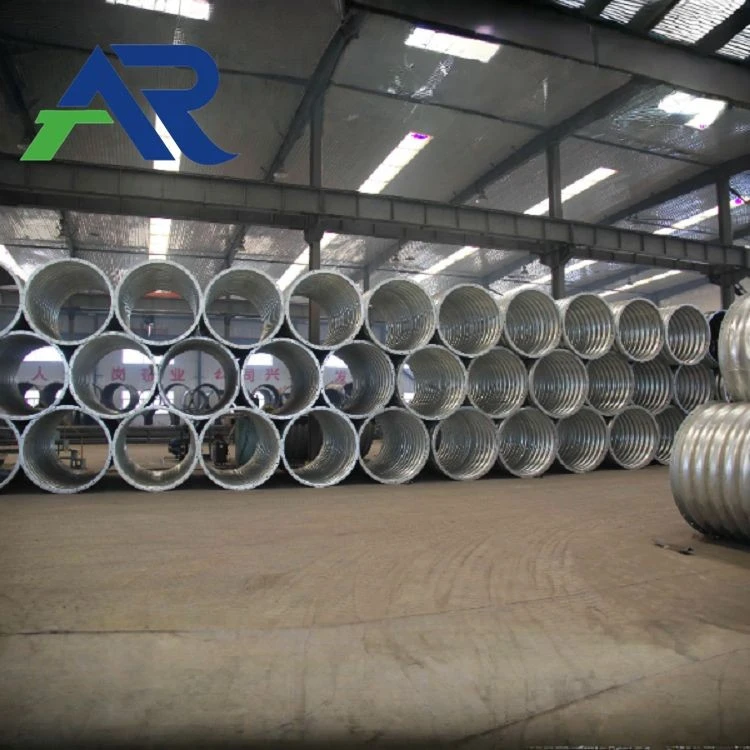
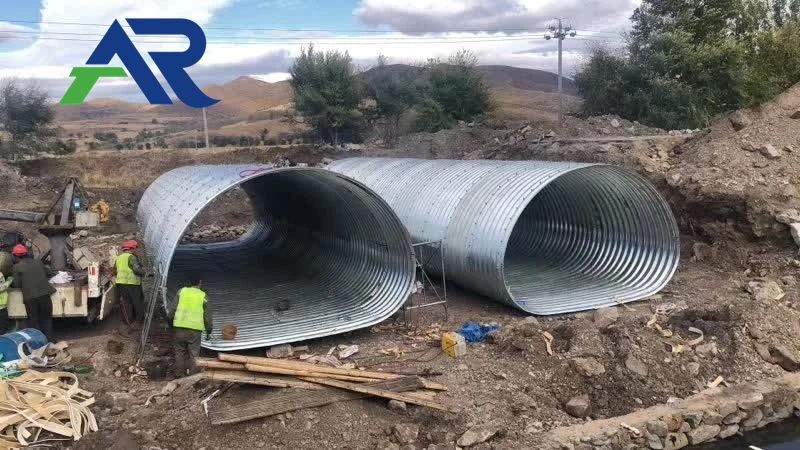
Soil compaction involves using heavy machinery to compress the soil around the pipes. This can help to increase the density and strength of the soil, making it more stable. Grouting involves injecting a liquid material, such as cement or epoxy, into the soil to fill any voids and strengthen the ground. Ground anchors are long, steel rods that are driven into the ground to provide additional support and stability.
Corrosion Protection
To prevent corrosion, it's important to protect the pipes from the harsh environment in the coal mine. This can be done using a variety of coatings and linings, such as epoxy, polyethylene, or fiberglass.
Epoxy coatings are a popular choice for corrosion protection because they are durable, resistant to chemicals, and easy to apply. Polyethylene linings are also effective at preventing corrosion and can provide an additional layer of protection against abrasion. Fiberglass coatings are lightweight, strong, and resistant to corrosion, making them a good choice for pipes that are exposed to high levels of stress.
Monitoring and Maintenance
Once the pipes are installed, it's important to monitor them regularly for signs of deformation or corrosion. This can be done using a variety of techniques, such as visual inspections, ultrasonic testing, or pressure testing.
Visual inspections involve looking for signs of damage, such as cracks, dents, or rust. Ultrasonic testing uses high-frequency sound waves to detect internal defects in the pipes. Pressure testing involves applying pressure to the pipes to check for leaks or other problems.
In addition to monitoring, it's also important to perform regular maintenance on the pipes. This might involve cleaning the pipes to remove any dirt or debris, repairing any damage, and replacing any worn or damaged parts.
Additional Considerations
Compatibility with Other Systems
When installing corrugated pipes in a coal mine corridor, it's important to consider how they will interact with other systems in the mine. For example, the pipes might need to be compatible with the mine's ventilation system, drainage system, or electrical system.
You should also make sure the pipes are installed in a way that doesn't interfere with the operation of other equipment or systems in the mine. This might involve leaving enough space around the pipes for maintenance and inspection, or using flexible connectors to allow for movement and vibration.
Safety
Finally, it's important to prioritize safety when working with corrugated pipes in a coal mine corridor. This means following all safety regulations and guidelines, using the right personal protective equipment (PPE), and ensuring that all workers are properly trained.
When installing or maintaining the pipes, workers should wear safety glasses, gloves, hard hats, and other appropriate PPE. They should also be trained on how to use the equipment and tools safely, and how to recognize and respond to potential hazards.
Conclusion
Preventing the deformation of corrugated pipes in a coal mine corridor is a complex but achievable goal. By following the preventive measures outlined above, you can reduce the risk of pipe deformation and ensure the long-term performance and reliability of your piping system.
If you're in the market for Corrugated Pipe for Coal Mine Corridor, we're here to help. Our pipes are designed and manufactured to the highest standards of quality and durability, and we offer a range of products and services to meet your specific needs. Whether you're looking for a standard pipe or a custom solution, we've got you covered.
If you have any questions or would like to discuss your project in more detail, please don't hesitate to get in touch. We're always happy to help and look forward to working with you.
References
- "Corrugated Steel Pipe Design Manual," American Iron and Steel Institute.
- "Underground Mining Methods Handbook," SME.
- "Corrosion Control in Mining Environments," NACE International.