

Landscape chimneys, an often overlooked yet crucial element in various landscapes, have a complex and fascinating interaction with wind patterns. As a dedicated landscape chimney supplier, I've witnessed firsthand the significance of understanding these interactions for both functional and aesthetic purposes. In this blog, we'll delve into the science behind how landscape chimneys interact with wind patterns, explore real - world implications, and discuss how our products can be optimized for different wind scenarios.
The Basics of Wind and Chimney Interaction
Wind is a dynamic force that can have a profound impact on the performance of landscape chimneys. At its most fundamental level, wind creates pressure differentials around the chimney. When wind blows against a chimney, it creates a region of high pressure on the windward side and a region of low pressure on the leeward side. This pressure difference, known as the wind - induced pressure gradient, plays a key role in the chimney's ability to draw air and exhaust gases.
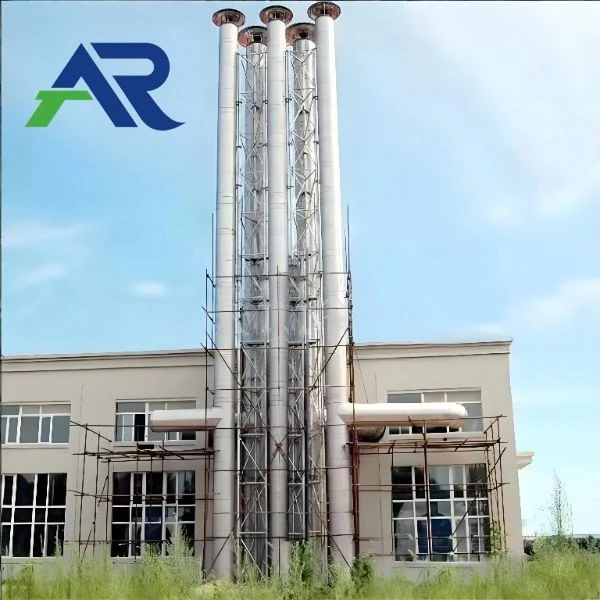
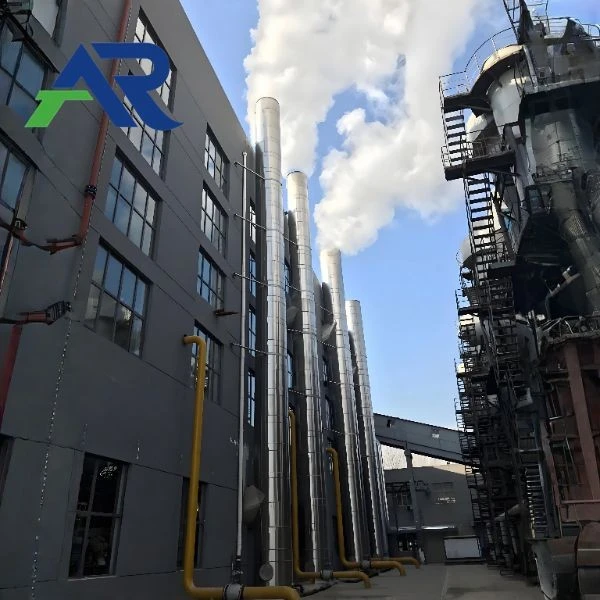
The shape and size of the chimney greatly influence this interaction. Taller chimneys generally have an advantage in harnessing the wind's power. The higher up in the atmosphere, the stronger and more consistent the wind tends to be. A taller chimney can reach into these more powerful wind layers, creating a more significant pressure differential and enhancing the draft. For example, in an industrial setting, Chimney in Factory often have great heights to ensure efficient exhaust of pollutants.
The cross - sectional shape of the chimney also matters. Circular chimneys tend to be more aerodynamic compared to square or rectangular ones. A circular shape allows the wind to flow smoothly around the chimney, reducing turbulence and minimizing the formation of eddies. Eddies can disrupt the normal flow of air through the chimney, leading to reduced draft or even back - drafting.
Wind Patterns and Their Effects on Chimney Performance
Different wind patterns can have distinct effects on landscape chimneys. In a steady, unidirectional wind, the chimney can take advantage of the consistent pressure differential. The wind blows against one side of the chimney, creating a reliable draft that helps in expelling the gases from the interior. However, in areas with variable wind directions, such as coastal regions where onshore and offshore winds alternate, the chimney needs to be more adaptable.
Gusts of wind can pose a challenge to chimney performance. Sudden increases in wind speed can cause rapid changes in the pressure around the chimney. If the chimney is not designed to handle these fluctuations, it can lead to back - drafting, where the exhaust gases are forced back into the building instead of being expelled. Our Double - layer Insulation Chimney is engineered to withstand such gusty conditions, providing a more stable draft even in turbulent wind environments.
In complex landscapes, such as those with nearby buildings or Transmission Line Tower, the wind patterns can become highly irregular. These structures can create wind shadows and turbulence, which can disrupt the normal flow of air around the chimney. For instance, a large building upwind of a chimney can block the wind, reducing the pressure differential and weakening the draft. On the other hand, the sharp edges of a building can cause the wind to break up into smaller, chaotic air currents that can interfere with the chimney's operation.
Optimizing Landscape Chimneys for Wind Interaction
As a landscape chimney supplier, we focus on designing chimneys that can effectively interact with different wind patterns. One approach is to use adjustable caps on the chimney. These caps can be designed to rotate or adjust their position based on the wind direction. By orienting the cap in the most favorable position, the chimney can maximize the pressure differential and improve the draft.
Another important aspect is the use of insulation. Insulated chimneys not only help in maintaining the temperature of the exhaust gases but also reduce the impact of external wind on the internal airflow. Our double - layer insulation chimneys are designed to provide a stable internal environment, minimizing the effects of wind - induced temperature changes and pressure fluctuations.
We also consider the location of the chimney within the landscape. By analyzing the local wind patterns, we can recommend the optimal placement of the chimney to avoid wind shadows and turbulence. For example, in a residential area, placing the chimney away from large trees or buildings that could disrupt the wind flow can significantly improve its performance.
Real - World Applications and Case Studies
In industrial landscapes, the interaction between chimneys and wind patterns is of utmost importance. Factories rely on efficient chimney systems to exhaust pollutants and maintain a safe working environment. A well - designed chimney can take advantage of the prevailing wind patterns to ensure that the pollutants are dispersed effectively. For example, in a factory located in a region with a dominant westerly wind, the chimney can be oriented to face west, maximizing the draft and reducing the risk of pollutants being blown back towards the factory.
In residential landscapes, chimneys are often used for heating purposes. A poorly designed chimney can lead to inefficient heating and even pose a safety hazard. By understanding the local wind patterns and using appropriate chimney designs, homeowners can ensure that their chimneys operate efficiently. For instance, in a hilly area where the wind patterns are complex, a chimney with an adjustable cap can be a great solution to adapt to the changing wind directions.
The Role of Technology in Understanding Wind - Chimney Interaction
Advancements in technology have greatly enhanced our ability to understand the interaction between landscape chimneys and wind patterns. Computational Fluid Dynamics (CFD) simulations are now widely used to model the airflow around chimneys. These simulations can provide detailed information about the pressure distribution, velocity profiles, and turbulence around the chimney. By using CFD, we can optimize the design of our chimneys before they are manufactured, ensuring that they perform well in different wind conditions.
In addition, remote sensing technologies, such as LiDAR and wind sensors, can be used to collect real - time data on wind patterns in a specific area. This data can be used to make informed decisions about the placement and design of landscape chimneys. For example, if the data shows that a particular area has strong gusts of wind, we can recommend a chimney with enhanced stability and draft control features.
Conclusion and Call to Action
In conclusion, the interaction between landscape chimneys and wind patterns is a complex yet fascinating field. Understanding these interactions is crucial for ensuring the efficient and safe operation of chimneys in various landscapes. As a landscape chimney supplier, we are committed to providing high - quality products that are designed to optimize the interaction with wind patterns.
Whether you are an industrial client looking for a large - scale chimney solution or a homeowner in need of a reliable heating chimney, we have the expertise and products to meet your needs. Our team of experts can analyze your specific requirements, including the local wind patterns, and recommend the most suitable chimney design for your project.
If you are interested in learning more about our landscape chimneys or would like to discuss a potential project, we encourage you to reach out to us. Let's work together to create a chimney solution that not only functions efficiently but also enhances the aesthetic appeal of your landscape.
References
- Aynsley, R. (1999). Wind effects on structures. Thomas Telford.
- Simiu, E., & Scanlan, R. H. (1996). Wind effects on structures: fundamentals and applications to design. Wiley.
- Stathopoulos, T. (2007). Wind engineering: prediction and design of wind effects on buildings and structures. Taylor & Francis.