

As a supplier of Communication Tower Building, I understand the critical importance of regular inspections to ensure the safety, functionality, and longevity of these structures. In this blog post, I will delve into the comprehensive inspection procedures for communication tower buildings, shedding light on the various aspects that demand meticulous attention.
Pre - inspection Preparation
Before initiating the inspection process, a thorough preparation phase is essential. This involves gathering all relevant documentation related to the communication tower building, such as construction blueprints, maintenance records, and previous inspection reports. These documents provide valuable insights into the tower's design specifications, historical performance, and any past issues that may require special attention.
Additionally, the inspection team should be equipped with the necessary tools and safety gear. Tools may include high - powered binoculars for visual inspections from a distance, measuring tapes for dimensional checks, and non - destructive testing equipment for assessing the integrity of structural components. Safety gear, such as hard hats, safety harnesses, and protective eyewear, is crucial to safeguard the inspectors during the inspection process.
Visual Inspection
The visual inspection is often the first step in the inspection procedure. It involves a detailed examination of the entire communication tower building, from the foundation to the top - most antenna.
Foundation Inspection
The foundation is the backbone of the communication tower building, providing stability and support. During the visual inspection, the foundation should be checked for any signs of cracking, settlement, or erosion. Cracks can indicate structural weaknesses, while settlement may suggest uneven loading or soil instability. Erosion around the foundation can undermine its integrity over time. Inspectors should also look for any signs of water pooling near the foundation, as this can lead to corrosion and other damage.
Structural Components
All structural components of the tower, including the steel framework, bolts, and welds, should be visually inspected. The steel framework should be checked for signs of rust, deformation, or damage. Rust can weaken the steel over time, while deformation may indicate excessive loading or impact damage. Bolts should be inspected for tightness, and any loose or missing bolts should be noted. Welds should be examined for cracks or signs of fatigue, as these can compromise the structural integrity of the tower.
Antenna and Equipment
The antennas and associated equipment mounted on the tower are critical for communication functions. Inspectors should visually check the antennas for any signs of physical damage, such as bent elements or loose connections. The equipment enclosures should be inspected for proper sealing to prevent water ingress, which can damage the sensitive electronic components inside. Additionally, the cables and wiring connecting the antennas and equipment should be checked for signs of wear, fraying, or damage.
Dimensional Checks
Dimensional checks are an important part of the inspection process to ensure that the communication tower building meets the original design specifications. Using measuring tapes and other precision measuring tools, inspectors should measure key dimensions of the tower, such as the height, width, and spacing between structural members. Any significant deviations from the design dimensions may indicate structural problems or improper installation.
Non - destructive Testing
Non - destructive testing (NDT) techniques are used to assess the internal integrity of structural components without causing damage. Some common NDT methods used in communication tower building inspections include:
Ultrasonic Testing
Ultrasonic testing involves sending high - frequency sound waves through the steel components of the tower. Any internal defects, such as cracks or voids, will cause the sound waves to reflect differently, which can be detected by the ultrasonic testing equipment. This method is particularly effective for detecting hidden flaws in thick steel members.
Magnetic Particle Testing
Magnetic particle testing is used to detect surface and near - surface defects in ferromagnetic materials, such as steel. A magnetic field is applied to the component, and iron particles are then sprinkled on the surface. If there are any defects, the magnetic field will be disrupted, causing the iron particles to accumulate at the defect site, making it visible to the inspector.
Radiographic Testing
Radiographic testing uses X - rays or gamma rays to create an image of the internal structure of the component. This method can detect internal defects, such as cracks, voids, and inclusions, with high accuracy. However, it requires special safety precautions due to the use of radiation.
Electrical System Inspection
The electrical system of the communication tower building is responsible for powering the antennas, equipment, and lighting. Inspectors should check the electrical panels, wiring, and grounding system for any signs of damage, overheating, or improper installation.
Electrical Panels
The electrical panels should be inspected for proper labeling, tight connections, and the presence of any tripped breakers. Overheating in the electrical panels can be a sign of overloading or a faulty connection, which should be addressed immediately to prevent electrical fires.
Wiring
The wiring throughout the tower should be checked for insulation damage, loose connections, and proper routing. Damaged insulation can expose live wires, posing a safety hazard. Loose connections can cause voltage drops and overheating, which can damage the electrical equipment.
Grounding System
A proper grounding system is essential to protect the communication tower building and its equipment from lightning strikes and electrical surges. Inspectors should check the grounding electrodes, conductors, and connections for proper installation and integrity. The grounding resistance should also be measured to ensure that it meets the required standards.
Wind and Weather Resistance Assessment
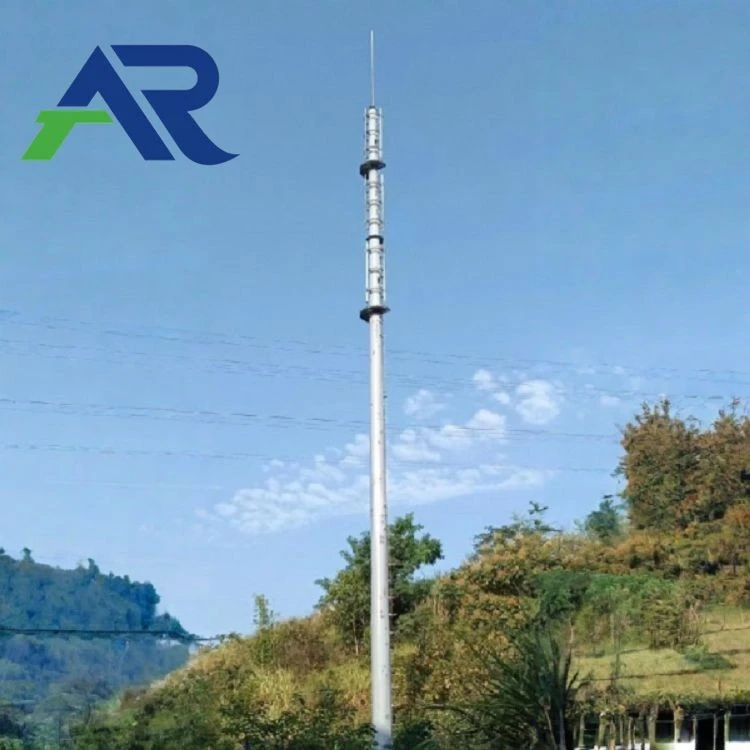
Communication tower buildings are exposed to various weather conditions, including high winds, storms, and extreme temperatures. Inspectors should assess the tower's ability to withstand these environmental factors.
Wind Load Calculation
The wind load on the tower should be calculated based on the local wind speed and the tower's design specifications. This calculation helps to determine if the tower is structurally capable of withstanding the expected wind forces. Any signs of wind - induced damage, such as bent structural members or loose antennas, should be carefully examined.
Weatherproofing
The tower's weatherproofing features, such as paint coatings, seals, and gaskets, should be inspected for signs of deterioration. Damaged weatherproofing can allow water and moisture to penetrate the tower, leading to corrosion and other damage.
Post - inspection Reporting
After completing the inspection, a detailed report should be prepared. The report should include a summary of the inspection findings, including any identified issues, their severity, and recommended corrective actions. Photographs and measurements should be included to support the findings.
The report should be shared with the relevant stakeholders, such as the tower owner, maintenance team, and regulatory authorities. Based on the report, a maintenance and repair plan can be developed to address the identified issues and ensure the continued safe operation of the communication tower building.
Why Choose Our Communication Tower Building?
At our company, we take pride in providing high - quality Communication Tower Building. Our towers are designed and constructed to meet the highest industry standards, ensuring reliability and durability. We also offer comprehensive inspection and maintenance services to help our customers keep their towers in optimal condition.
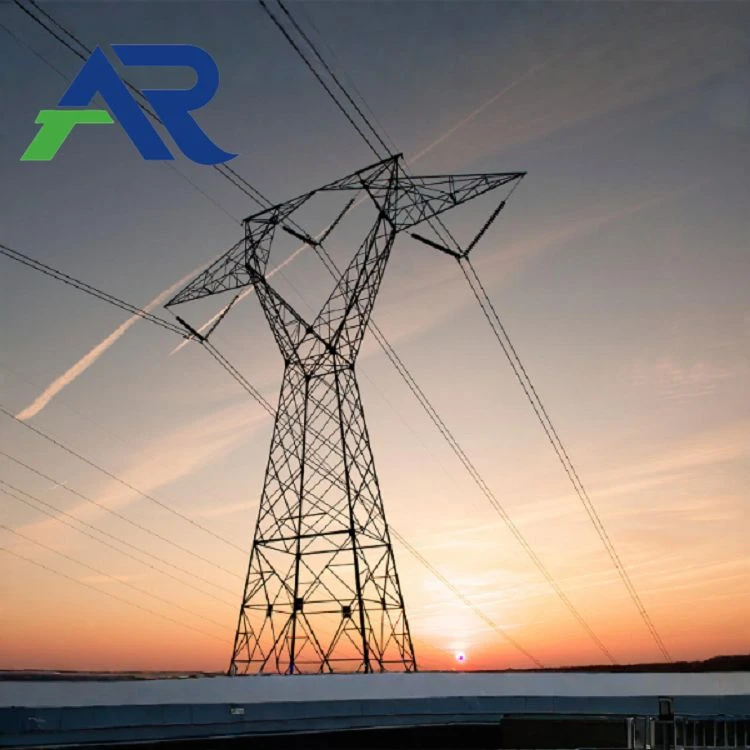
In addition to communication tower buildings, we also supply Industrial Iron Towers and Electric Power Tower for various industrial applications. Our experienced team of engineers and technicians can provide customized solutions to meet your specific requirements.
If you are interested in purchasing a communication tower building or require inspection and maintenance services, we encourage you to contact us for a detailed discussion. Our team is ready to assist you in finding the best solution for your needs.
References
- American Tower Company. (2023). Best Practices for Tower Inspections. Retrieved from [No link]
- Federal Communications Commission. (2022). Tower Safety Guidelines. Retrieved from [No link]
- International Electrotechnical Commission. (2021). Standards for Electrical Systems in Communication Towers. Retrieved from [No link]