

As a supplier of factory chimneys, I've witnessed firsthand the significant role these structures play in industrial operations. However, it's impossible to ignore the environmental implications, especially their contribution to global warming. In this blog, I'll delve into how factory chimneys contribute to global warming and explore potential solutions.
The Emission of Greenhouse Gases
The primary way factory chimneys contribute to global warming is through the emission of greenhouse gases. These gases, such as carbon dioxide (CO2), methane (CH4), and nitrous oxide (N2O), trap heat in the Earth's atmosphere, leading to a gradual increase in global temperatures.
-
Carbon Dioxide (CO2)
The burning of fossil fuels, such as coal, oil, and natural gas, is the main source of CO2 emissions from factory chimneys. Many industries rely on these fuels for energy production, whether it's for powering machinery, heating processes, or generating electricity. When these fuels are burned, carbon stored in them is released into the atmosphere as CO2. For example, in the steel industry, large amounts of coal are used in blast furnaces to produce iron, resulting in substantial CO2 emissions that are then vented through factory chimneys. According to the Intergovernmental Panel on Climate Change (IPCC), industrial processes and energy production are responsible for a significant portion of global CO2 emissions. -
Methane (CH4)
Methane is another potent greenhouse gas emitted from factory chimneys, although in smaller quantities compared to CO2. Methane can be released during various industrial processes, such as the production and transportation of coal, oil, and natural gas. In some industries, such as the chemical and petrochemical sectors, methane may be a by - product of certain chemical reactions or leaks from storage and processing facilities. Once released into the atmosphere, methane is much more effective at trapping heat than CO2, although it has a shorter lifespan. -
Nitrous Oxide (N2O)
Factory chimneys can also emit nitrous oxide, which is a powerful greenhouse gas with a much higher global warming potential than CO2. Nitrous oxide is produced during industrial processes such as the production of fertilizers, the combustion of fossil fuels in some industrial engines, and certain chemical manufacturing operations. These emissions contribute to the overall warming of the Earth's atmosphere.
Particulate Matter and Aerosols
In addition to greenhouse gases, factory chimneys release particulate matter and aerosols into the atmosphere. These tiny particles can have both direct and indirect effects on global warming.
-
Direct Effects
Some types of particulate matter, such as black carbon (soot), absorb sunlight and heat up the atmosphere. Black carbon is often emitted from the incomplete combustion of fossil fuels and biomass in industrial processes. When these particles are released through factory chimneys, they can absorb solar radiation and contribute to local and regional warming. On the other hand, some aerosols, such as sulfate aerosols, reflect sunlight back into space, which has a cooling effect on the Earth's surface. However, this cooling effect is temporary, and the overall long - term impact of particulate matter and aerosols on global warming is complex and depends on various factors such as the type, size, and concentration of the particles. -
Indirect Effects
Particulate matter and aerosols can also have indirect effects on global warming by altering cloud formation and properties. For example, aerosols can act as cloud condensation nuclei, which can change the number, size, and lifespan of clouds. Depending on the type of clouds formed, this can either enhance or reduce the Earth's albedo (the amount of sunlight reflected back into space), thereby influencing the global climate.
Impact on the Carbon Cycle
Factory chimney emissions can disrupt the natural carbon cycle. The carbon cycle is a complex system that involves the exchange of carbon between the atmosphere, land, and oceans. Plants absorb CO2 from the atmosphere through photosynthesis, and when they die and decompose, the carbon is returned to the soil or released back into the atmosphere. However, the large - scale emissions of CO2 from factory chimneys have increased the amount of carbon in the atmosphere at a rate faster than the natural carbon cycle can handle. This excess carbon in the atmosphere contributes to the enhanced greenhouse effect and global warming.
Addressing the Issue
As a factory chimney supplier, I understand the need to address the issue of global warming. There are several ways in which we can reduce the environmental impact of factory chimneys.
-
Improved Chimney Design
Investing in advanced chimney designs can help reduce emissions. For example, Fiberglass Chimney offers better insulation and corrosion resistance, which can improve the efficiency of industrial processes and reduce the amount of fuel needed. This, in turn, can lead to lower greenhouse gas emissions. Additionally, chimneys can be equipped with advanced filtration systems to capture particulate matter and some of the harmful gases before they are released into the atmosphere. -
Switch to Cleaner Energy Sources
Encouraging industries to switch from fossil fuels to cleaner energy sources such as solar, wind, hydro, and geothermal power can significantly reduce greenhouse gas emissions from factory chimneys. Many governments around the world are providing incentives for industries to make this transition, and as a supplier, we can promote the use of chimneys designed for these clean energy applications, such as Chimney For Factory that are compatible with renewable energy systems. -
Carbon Capture and Storage (CCS)
Carbon capture and storage technologies can be installed in industrial facilities to capture CO2 emissions from factory chimneys before they are released into the atmosphere. The captured CO2 can then be stored underground or used in other industrial processes. Although CCS technologies are still in the early stages of development and implementation, they have the potential to significantly reduce the carbon footprint of industrial operations. -
Regular Maintenance and Monitoring
Regular maintenance of factory chimneys is essential to ensure their proper functioning and to minimize emissions. This includes checking for leaks, cleaning the chimney interior, and replacing worn - out parts. Additionally, continuous monitoring of emissions can help industries identify areas for improvement and ensure compliance with environmental regulations.
Conclusion
Factory chimneys play a significant role in global warming through the emission of greenhouse gases, particulate matter, and aerosols, as well as their impact on the carbon cycle. However, as a factory chimney supplier, I believe that there are solutions available to reduce their environmental impact. By investing in advanced chimney designs, promoting the use of cleaner energy sources, implementing carbon capture and storage technologies, and ensuring regular maintenance and monitoring, we can make a positive contribution to mitigating global warming.
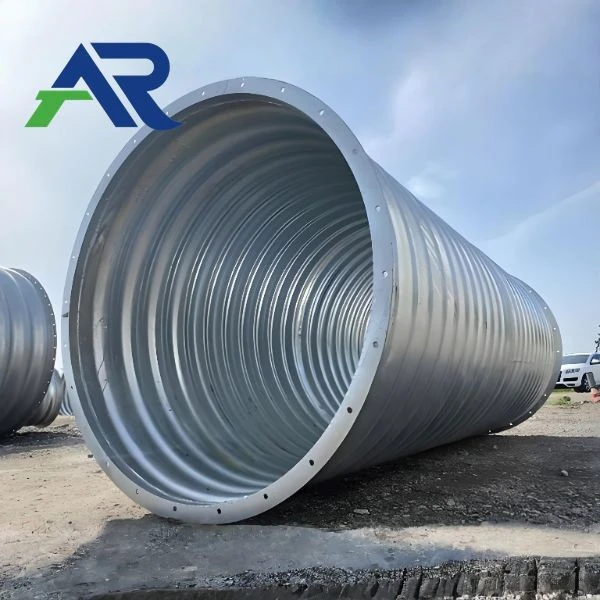
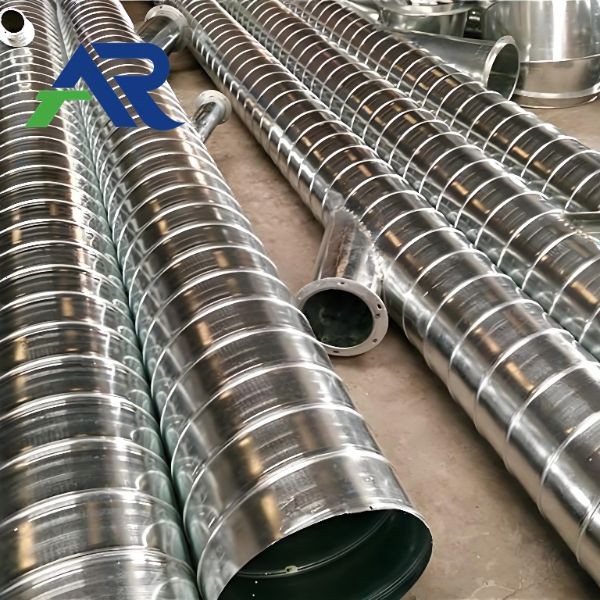
If you're interested in learning more about our factory chimney products, such as Corrugated Pipe Chimney, or discussing how we can help your industry reduce its environmental footprint, I encourage you to reach out for a procurement discussion. Let's work together to create a more sustainable future.
References
- Intergovernmental Panel on Climate Change (IPCC). Climate Change 2021: The Physical Science Basis. Contribution of Working Group I to the Sixth Assessment Report of the Intergovernmental Panel on Climate Change.
- United Nations Framework Convention on Climate Change (UNFCCC). Global Climate Action Portal.
- International Energy Agency (IEA). World Energy Outlook.