

As a supplier of free standing chimneys, I've been asked countless times whether these structures need a chimney sweep. This question is not only relevant to the functionality and safety of the chimney but also to the long - term satisfaction of our customers. In this blog, I'll delve into the reasons why chimney sweeping is crucial for free standing chimneys and share some insights based on my experience in the industry.
The Role of Free Standing Chimneys
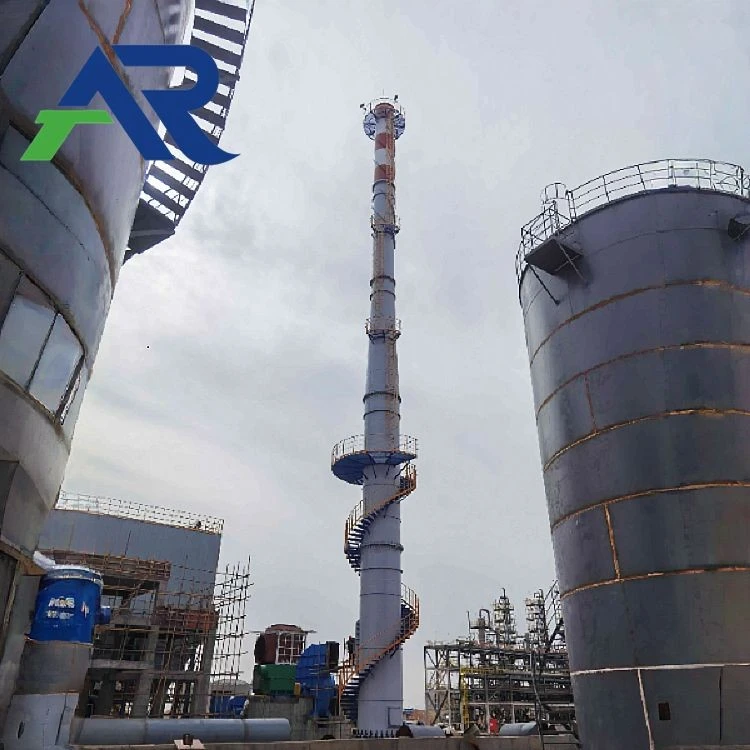
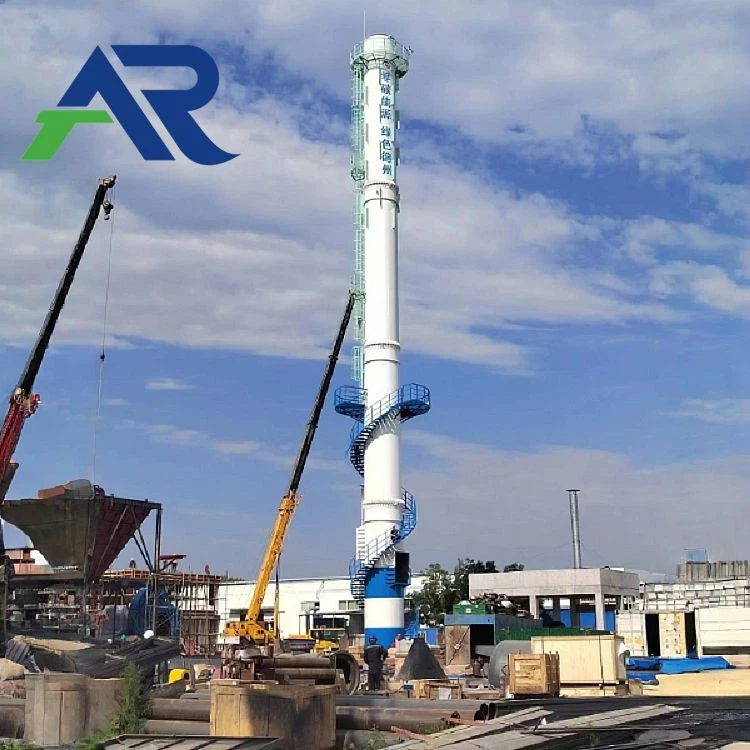
Free standing chimneys serve a vital purpose in various settings, from industrial complexes to residential areas. In industrial scenarios, they are designed to expel harmful gases, particulate matter, and smoke produced by manufacturing processes. For instance, Stainless Steel Factory Chimney are commonly used in factories, where they need to withstand high temperatures and corrosive substances. In residential areas, single - family homes might use free standing chimneys for wood - burning stoves or fireplaces, providing a sense of warmth and coziness during cold winters.
Why Chimney Sweeping is Necessary
1. Safety Concerns
One of the primary reasons for chimney sweeping is to prevent chimney fires. Over time, creosote, a highly flammable substance, accumulates inside the chimney. When wood is burned in a fireplace or stove connected to a free standing chimney, the smoke rises and cools. As it cools, the tar and other by - products in the smoke condense on the chimney walls, forming creosote. If the creosote layers become thick enough, a small spark from the fire below can ignite it, leading to a rapid and potentially dangerous chimney fire. This can not only damage the chimney itself but also spread to the surrounding structure, endangering lives and property.
In addition to fire risks, a blocked chimney can cause carbon monoxide poisoning. Carbon monoxide is a colorless, odorless gas produced by incomplete combustion. If the chimney is clogged with debris such as leaves, bird nests, or excessive creosote, the carbon monoxide cannot escape properly. Instead, it can seep back into the building where the chimney is connected, posing a serious health threat to the occupants.
2. Efficiency
A clean chimney operates more efficiently than a dirty one. When a chimney is filled with creosote and other debris, the airflow is restricted. This means that the fire in the fireplace or stove does not draw in enough oxygen properly. As a result, the fire burns less efficiently, producing less heat and wasting fuel. By having the chimney swept regularly, the airflow is improved, allowing the fire to burn more brightly and heat the space more effectively. This can lead to significant savings on heating costs in the long run.
3. Long - term Durability
Regular chimney sweeping helps extend the life of the free standing chimney. Creosote and other acidic by - products of combustion can corrode the chimney walls over time. If not removed, this corrosion can weaken the structure of the chimney, leading to cracks and other structural damage. By keeping the chimney clean, we can prevent this corrosion, ensuring that the chimney remains in good condition for many years.
Different Types of Free Standing Chimneys and Sweeping Requirements
Stainless Steel Factory Chimney
These chimneys are often exposed to high - temperature gases and corrosive chemicals. The high - volume and high - velocity exhaust from industrial processes mean that they can accumulate debris and deposits more quickly than residential chimneys. Therefore, they typically require more frequent chimney sweeping. Depending on the nature of the industrial operations, sweeping might be needed every few months or at least once a year.
Multi - sleeve Chimney
Multi - sleeve chimneys are designed to handle multiple exhaust sources. Each sleeve can be used for different types of emissions, such as those from different production lines in a factory. The complexity of these chimneys means that they need thorough inspections and sweeping. The internal structure of multi - sleeve chimneys can make it easier for debris to get trapped in hard - to - reach areas. Professional chimney sweeps with specialized equipment are often required to ensure that all the sleeves are clean and functioning properly.
Single Sleeve Chimney
Single sleeve chimneys are more common in residential settings. For homes with a wood - burning fireplace or stove, it is generally recommended to have the chimney swept at least once a year. However, if the fireplace is used very frequently during the winter months, more frequent sweeping might be necessary. For example, if a family burns wood every day during the cold season, sweeping every six months could be a good idea.
How to Choose a Chimney Sweep
When it comes to choosing a chimney sweep, it's important to select a professional with the right qualifications and experience. Look for someone who is certified by a recognized chimney - sweeping organization. A certified chimney sweep has the knowledge and skills to perform a thorough inspection and cleaning of the chimney.
It's also a good idea to ask for references and read online reviews. A reputable chimney sweep will have satisfied customers who are willing to share their experiences. Additionally, make sure the chimney sweep uses the appropriate equipment for the type of free standing chimney you have. For example, stainless steel chimneys might require different cleaning tools compared to brick chimneys.
Conclusion
In conclusion, free standing chimneys definitely need a chimney sweep. Whether it's for safety reasons, to improve efficiency, or to ensure long - term durability, regular chimney sweeping is an essential part of chimney maintenance. As a supplier of free standing chimneys, I always recommend that our customers prioritize chimney cleaning.
If you're in the market for a free standing chimney or have questions about chimney maintenance, we're here to help. Our team of experts can provide you with detailed information about the different types of chimneys we offer, such as Stainless Steel Factory Chimney, Multi - sleeve Chimney, and Single Sleeve Chimney. We're committed to providing high - quality products and excellent customer service. Contact us to start a conversation about your chimney needs and let's work together to find the best solution for you.
References
- National Fire Protection Association. (2023). NFPA 211: Standard for Chimneys, Fireplaces, Vents, and Solid Fuel - Burning Appliances.
- Chimney Safety Institute of America. (2023). Best Practices for Chimney Maintenance and Inspection.
- International Code Council. (2023). International Residential Code and International Building Code related to chimneys.