

Hey there! As a supplier of electric power towers, I've seen firsthand how these structures play a crucial role in keeping our power grid stable. In this blog, I'll break down the different ways electric power towers contribute to that stability, and I'll also give you some insight into the types of towers we offer.
Understanding the Power Grid Basics
Before we dive into the role of electric power towers, let's quickly go over what the power grid is. The power grid is like a giant network that moves electricity from where it's generated (like power plants) to where it's needed (our homes, offices, and factories). It's a complex system with a lot of moving parts, and electric power towers are a key part of making it all work.
Structural Support for Power Lines
One of the most obvious ways electric power towers contribute to grid stability is by providing structural support for power lines. These towers are designed to hold up the high - voltage transmission lines that carry electricity over long distances. Without them, the power lines would sag to the ground, which could cause all sorts of problems, like short - circuits and power outages.

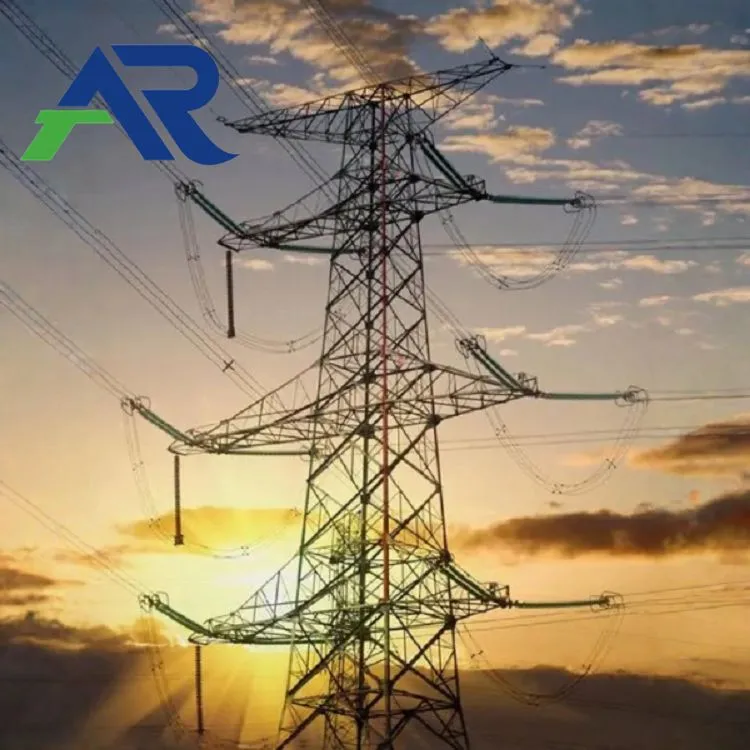
Our Industrial Iron Towers are built to be strong and durable. They're made from high - quality materials that can withstand different weather conditions, such as strong winds, heavy snow, and even earthquakes in some cases. This ensures that the power lines stay in place and keep transmitting electricity reliably.
Voltage Regulation
Electric power towers also play a role in voltage regulation. When electricity is generated at a power plant, it's usually at a relatively low voltage. But to transport it efficiently over long distances, the voltage needs to be increased. This is done using transformers, which are often installed on or near the power towers.
The Electrical Tower For Electricity Transmission is specifically designed to support these transformers and the high - voltage lines. By stepping up the voltage, the power can travel further with less loss. Then, as the electricity gets closer to its destination, the voltage is stepped back down to a level that's safe for use in homes and businesses. This careful regulation of voltage helps maintain the stability of the power grid.
Route Optimization
Another important aspect is route optimization. Electric power towers are strategically placed to create the most efficient routes for power transmission. This means avoiding obstacles like mountains, bodies of water, and densely populated areas as much as possible. By choosing the right routes, we can reduce the resistance in the power lines, which in turn reduces power loss during transmission.
Our team of experts uses advanced mapping and engineering techniques to plan the best locations for the Electrical Tower. This not only helps with grid stability but also makes the overall power transmission system more cost - effective.
Fault Isolation
In the event of a fault in the power grid, such as a short - circuit or a damaged line, electric power towers can help isolate the problem. Many modern power towers are equipped with sensors and switches that can detect faults and quickly disconnect the affected section of the power line. This prevents the fault from spreading to other parts of the grid and causing a widespread blackout.
This fault - isolation feature is crucial for maintaining grid stability. It allows the power company to quickly repair the damaged section and restore power to the affected areas without disrupting the entire system.
Connecting Different Parts of the Grid
The power grid is made up of different regions and sub - grids. Electric power towers act as connectors between these different parts. They allow electricity to flow smoothly from one area to another, balancing the load and ensuring that power is distributed evenly.
For example, if one region is experiencing a high demand for electricity, power can be transferred from another region with a surplus. The power towers make this transfer possible, which helps prevent overloading in any one part of the grid and keeps the whole system stable.
Adaptability to Changing Conditions
The power grid is constantly evolving. New power sources, such as renewable energy from solar and wind farms, are being added all the time. Electric power towers need to be adaptable to these changes.
Our towers are designed with flexibility in mind. They can be easily modified or upgraded to support new types of power lines and equipment. This adaptability ensures that the power grid can keep up with the changing energy landscape and remain stable in the long run.
Why Choose Our Electric Power Towers
We take pride in offering high - quality electric power towers that are designed to meet the specific needs of our customers. Our towers are not only strong and reliable but also cost - effective. We use the latest manufacturing techniques and materials to ensure that our products are of the highest standard.
Whether you're a power company looking to expand your grid or a developer working on a new project, our team of experts can provide you with the right solutions. We offer a wide range of Electrical Tower options, from small - scale distribution towers to large - scale transmission towers.
Let's Talk!
If you're interested in learning more about our electric power towers or have a project in mind, we'd love to hear from you. Contact us to start a conversation about your power grid needs. We're here to help you find the best solutions for your power transmission requirements and ensure the stability of your power grid.
References
- "Power System Engineering" by John J. Grainger and William D. Stevenson Jr.
- "Electrical Power Transmission System Engineering: Analysis and Design" by Turan Gonen.