

Hey there, folks! I'm a supplier in the business of Communication Tower Building, and today, I'm gonna dive into how these bad boys support television broadcasting.
The Basics of Television Broadcasting
Before we get into how communication tower buildings play their part, let's quickly go over the basics of TV broadcasting. TV signals are essentially electromagnetic waves. These waves carry all the audio and visual data that we see and hear on our TV screens. There are two main types of TV broadcasting: over - the - air (OTA) and cable/satellite. We're gonna focus on OTA here, as that's where communication towers come in big time.
OTA TV broadcasting involves sending TV signals from a transmitter to a receiver (your TV antenna). The transmitter takes the TV program content, encodes it into a specific frequency range, and then sends it out into the airwaves. But here's the catch: these signals need a way to travel over long distances and cover a wide area. That's where communication tower buildings step in.
How Communication Tower Buildings Work for TV Broadcasting
Elevation Advantage
One of the key roles of communication tower buildings is to provide elevation. You see, TV signals travel in a straight line, and if the transmitter is close to the ground, obstacles like buildings, trees, and hills can block or weaken the signal. By mounting the TV transmitters on top of tall communication towers, we can get the signals above these obstacles.
Think about it like this: if you're standing on the ground and trying to see far away, you're gonna have a hard time because there are things in your way. But if you climb to the top of a tall building or a tower, you can see much farther. The same principle applies to TV signals. A typical communication tower can be anywhere from a few dozen meters to several hundred meters tall. For example, some large - scale broadcast towers can reach heights of over 300 meters. This elevation allows the TV signals to travel much farther and cover a larger geographical area.
Signal Amplification
Communication tower buildings also house signal amplifiers. These amplifiers are like little boosters for the TV signals. When the TV station sends out a signal from its transmitter, it starts to lose strength as it travels through the air. The amplifiers on the tower pick up the weakened signal, boost its power, and then re - transmit it.
This is crucial because if the signal isn't strong enough when it reaches your TV antenna, you're gonna get a fuzzy picture or no picture at all. The amplifiers on the tower ensure that the signal remains strong enough to reach a large number of viewers within the broadcast area. Different types of amplifiers are used depending on the specific requirements of the TV station, such as the frequency of the signal and the desired coverage area.
Multiple Frequency Support
Another cool thing about communication tower buildings is that they can support multiple TV frequencies. TV stations operate on different frequency bands, and a single tower can accommodate transmitters for multiple stations. This is really important because it allows for more efficient use of the available spectrum.
For example, in the United States, there are different frequency bands allocated for different types of TV broadcasting, such as VHF (Very High Frequency) and UHF (Ultra High Frequency). A communication tower can have transmitters for both VHF and UHF stations mounted on it. This means that viewers in the area can receive a variety of TV channels without the need for multiple towers.
The Role of Different Types of Iron Towers
When we talk about communication tower buildings, we're actually talking about a type of Iron Towers. There are different types of iron towers used in TV broadcasting, each with its own advantages.
Lattice Towers
Lattice towers are one of the most common types. They're made up of a framework of steel bars or angles that form a lattice structure. These towers are very strong and can support heavy equipment, such as large TV transmitters and antennas. They're also relatively easy to construct and can be built to different heights.
Lattice towers are often used for large - scale TV broadcasting because they can handle the high - power transmitters needed to cover a wide area. They're also very stable, which is important because the TV transmitters need to be kept in a fixed position to ensure a consistent signal.
Monopole Towers
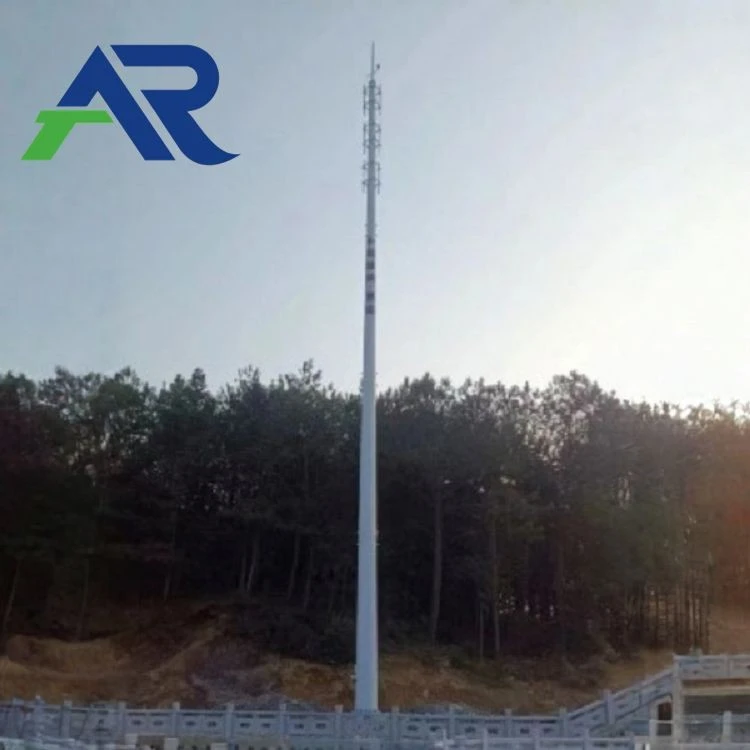
Monopole towers are another option. These are single - pole structures that are usually made of steel or concrete. They're more aesthetically pleasing than lattice towers and take up less space. Monopole towers are often used in urban areas where space is limited or where a more discreet appearance is desired.
While they may not be able to support as much weight as lattice towers, they're still suitable for smaller - scale TV broadcasting or for use in areas where the coverage area is not as large. For example, in some local community TV stations, monopole towers can be a cost - effective solution.
Comparison with Electric Power Towers
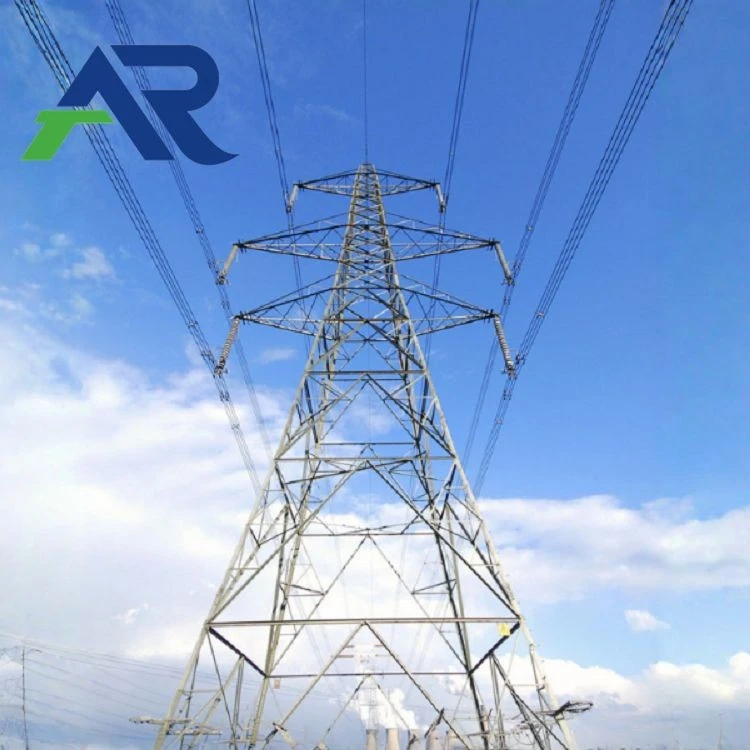
You might be wondering how communication tower buildings compare to Electric Power Tower. Well, while both are types of iron towers, they serve very different purposes. Electric power towers are designed to carry high - voltage electrical power lines. They need to be able to support the weight of the power lines and withstand the electrical forces associated with power transmission.
On the other hand, communication tower buildings are focused on supporting TV and other communication signals. They need to be designed to provide a stable platform for the transmitters and antennas, and they often have additional features like signal amplifiers and access platforms for maintenance.
Maintenance and Upkeep
Maintaining communication tower buildings is crucial for ensuring reliable TV broadcasting. Regular inspections are carried out to check for any signs of damage or wear and tear. This includes checking the structural integrity of the tower, the condition of the antennas and transmitters, and the performance of the signal amplifiers.
Weather can also have a big impact on communication tower buildings. High winds, lightning, and ice storms can all cause damage to the tower and its equipment. That's why we use materials and designs that are resistant to these elements. For example, the steel used in the towers is often coated to prevent rust, and lightning protection systems are installed to safeguard the equipment.
Future Trends
The world of TV broadcasting is constantly evolving, and communication tower buildings are no exception. With the rise of digital TV and the increasing demand for high - definition and 4K content, the requirements for TV broadcasting are changing.
In the future, we can expect to see more advanced signal processing technologies being used on communication tower buildings. These technologies will help to improve the quality of the TV signals and make them more resistant to interference. There's also a growing trend towards using smaller, more efficient transmitters and antennas, which could lead to changes in the design of communication tower buildings.
Why Choose Our Communication Tower Buildings
As a supplier of communication tower buildings, we've got a lot to offer. Our towers are built using high - quality materials and the latest engineering techniques. We understand the specific requirements of TV broadcasting and can customize our towers to meet the needs of different TV stations.
We also offer comprehensive maintenance and support services. Our team of experts is always on hand to ensure that your tower is in top - notch condition and that your TV signals are being broadcasted effectively. Whether you're a small local TV station or a large national network, we've got the solutions for you.
If you're in the market for a communication tower building for your TV broadcasting needs, don't hesitate to reach out. We're here to help you make the right choice and ensure that your TV station can reach as many viewers as possible.
Conclusion
In conclusion, communication tower buildings play a vital role in television broadcasting. They provide elevation, amplify signals, support multiple frequencies, and help to ensure that TV signals can reach a wide audience. With the right communication tower building, TV stations can overcome the challenges of signal interference and limited coverage.
If you're interested in learning more about our Communication Tower Building solutions or have any questions about how they can support your TV broadcasting needs, please feel free to contact us. We're looking forward to working with you to take your TV station to the next level.
References
- "Television Broadcasting Handbook" - A comprehensive guide on the principles and technologies of TV broadcasting.
- "Structural Design of Iron Towers" - A book that covers the engineering aspects of designing iron towers for various applications, including communication.
- Industry reports on the latest trends in TV broadcasting and communication tower technology.