
As a supplier of tower chimneys, I often encounter questions from customers regarding the maintenance and upkeep of these structures. One of the most frequently asked questions is whether tower chimneys need to be painted regularly. In this blog post, I will delve into this topic, exploring the reasons for and against regular painting, and providing insights based on industry knowledge and experience.
Why Painting Tower Chimneys Might Be Necessary
1. Corrosion Protection
Tower chimneys are constantly exposed to harsh environmental conditions, including moisture, chemicals, and pollutants. These elements can cause corrosion, which weakens the structural integrity of the chimney over time. A fresh coat of paint acts as a barrier, preventing direct contact between the chimney surface and corrosive agents. For instance, in industrial areas where chimneys emit acidic gases, the paint can protect the metal or concrete from chemical attack.
2. Visibility and Safety
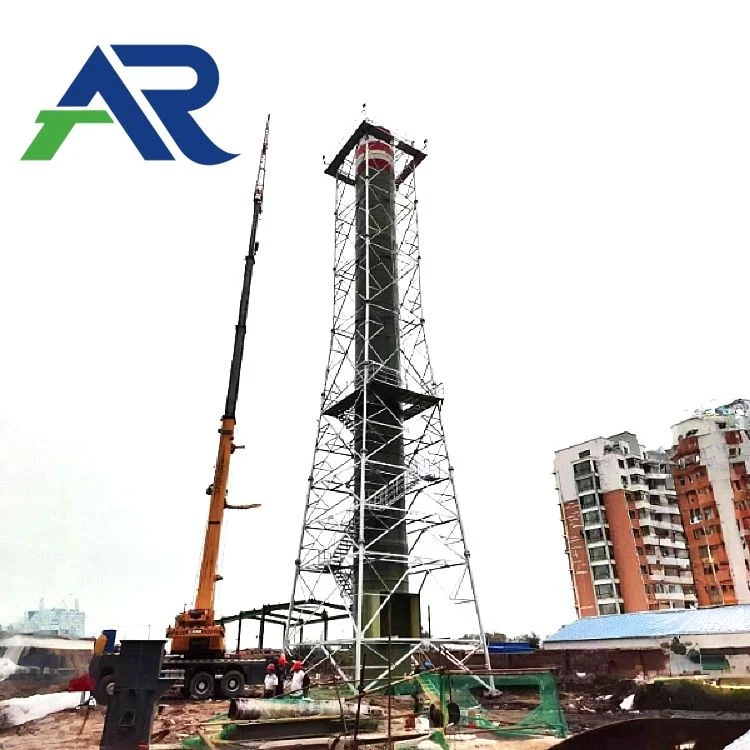
In many cases, tower chimneys are located in areas where they need to be highly visible for safety reasons. Brightly painted chimneys can be easily spotted by aircraft, especially during low - light conditions or in foggy weather. This is crucial for preventing collisions and ensuring the safety of both air and ground operations.
3. Aesthetic Appeal
Painted tower chimneys can enhance the overall appearance of a facility. A well - maintained and attractively painted chimney gives a positive impression to visitors, investors, and the general public. It can also contribute to the branding and image of a company, especially in industries where environmental responsibility and good maintenance practices are highly valued.
Types of Tower Chimneys and Their Painting Requirements
Fiberglass Tower Chimney
Fiberglass tower chimneys are known for their corrosion resistance and durability. However, they still benefit from regular painting. The paint can further enhance their resistance to UV radiation, which can cause the fiberglass to degrade over time. Additionally, painting can improve the chimney's smoothness, reducing the accumulation of dirt and debris. For more information about Fiberglass Tower Chimney, you can visit our website.
Titanium Steel Composite Plate Tower Chimney
Titanium steel composite plate tower chimneys are a popular choice in high - end industrial applications due to their excellent mechanical properties and corrosion resistance. While the titanium layer provides significant protection, painting can add an extra layer of defense against specific environmental factors. For example, in coastal areas where saltwater corrosion is a concern, a specialized paint can be applied to prevent the formation of rust on the steel base. To learn more about Titanium Steel Composite Plate Tower Chimney, please visit our website.
Factors Affecting the Frequency of Painting
1. Environmental Conditions
The location of the tower chimney plays a significant role in determining how often it needs to be painted. Chimneys in coastal areas are exposed to saltwater, which accelerates corrosion. In industrial areas with high levels of pollution, the chimney may be coated with chemicals that can damage the paint and the underlying structure. On the other hand, chimneys in rural or less polluted areas may require less frequent painting.
2. Type of Paint Used
The quality and type of paint applied to the chimney also affect the painting frequency. High - quality, specialized paints formulated for chimney applications can last longer and provide better protection. For example, epoxy - based paints are known for their excellent adhesion and chemical resistance, while polyurethane paints offer good UV resistance.
3. Chimney Usage
The amount of use a chimney undergoes can impact its painting needs. A chimney that operates continuously at high temperatures or emits large volumes of pollutants may experience more wear and tear on the paint. In contrast, a chimney that is used intermittently may not require painting as often.
Potential Drawbacks of Regular Painting
1. Cost
Painting a tower chimney can be a costly endeavor. It involves not only the cost of the paint but also the labor, equipment, and any necessary safety measures. For large - scale industrial chimneys, the cost can be substantial, especially if painting needs to be done frequently.

2. Disruption to Operations
Painting a chimney often requires shutting down the associated equipment or production processes. This can lead to significant downtime, resulting in lost productivity and revenue. In some cases, the disruption may also have a negative impact on the supply chain and customer satisfaction.
3. Environmental Impact
The use of paints can have an environmental impact. Some paints contain volatile organic compounds (VOCs) that can contribute to air pollution. Additionally, the disposal of old paint and painting equipment needs to be managed properly to avoid environmental contamination.
Finding the Right Balance
Based on my experience as a tower chimney supplier, finding the right balance between the benefits and drawbacks of regular painting is crucial. A comprehensive inspection and assessment of the chimney's condition, environmental factors, and usage patterns should be conducted regularly. This can help determine the optimal painting schedule.
In some cases, a preventive maintenance approach may be more cost - effective. This could involve using high - quality paints with long - lasting properties and implementing regular cleaning and inspection routines to detect early signs of corrosion or paint damage.
Conclusion
In conclusion, whether tower chimneys need to be painted regularly depends on a variety of factors. While regular painting offers significant benefits such as corrosion protection, visibility, and aesthetic appeal, it also comes with costs and potential disruptions. As a tower chimney supplier, we recommend a customized approach based on the specific needs of each chimney.
If you are considering purchasing a tower chimney or need advice on chimney maintenance and painting, we invite you to contact us for a detailed consultation. Our team of experts can provide you with the best solutions tailored to your requirements.
References
- "Corrosion Protection of Industrial Chimneys" - Industrial Corrosion Journal
- "The Impact of Environmental Factors on Chimney Maintenance" - Environmental Engineering Review
- "Best Practices for Painting Tower Chimneys" - Chimney Maintenance Handbook