

As a supplier of Municipal Light Poles, I often encounter various inquiries from customers, and one question that comes up quite frequently is, "Can I install a sensor on a municipal light pole?" In this blog post, I'll delve into this topic, exploring the feasibility, benefits, and considerations of installing sensors on municipal light poles.
Feasibility of Installing Sensors on Municipal Light Poles
The short answer is yes, it is feasible to install sensors on municipal light poles. Municipal light poles are strategically located throughout cities and towns, providing an ideal platform for sensor deployment. These poles are typically equipped with electrical power, which can be used to power the sensors. Additionally, their elevated position offers a good vantage point for sensors to collect data over a wide area.
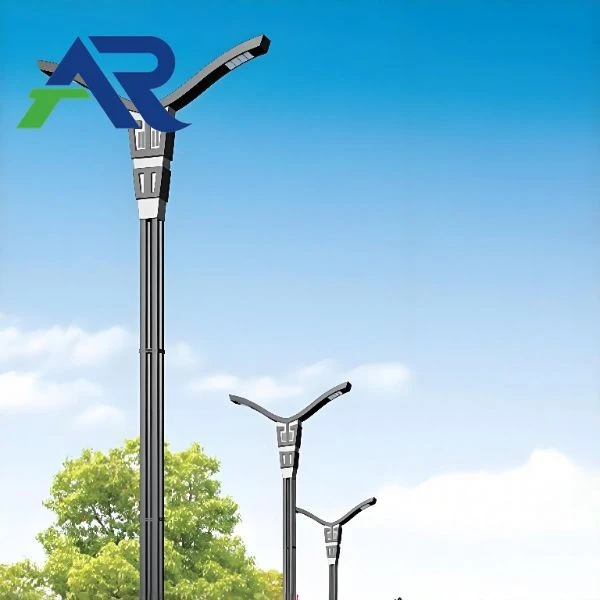
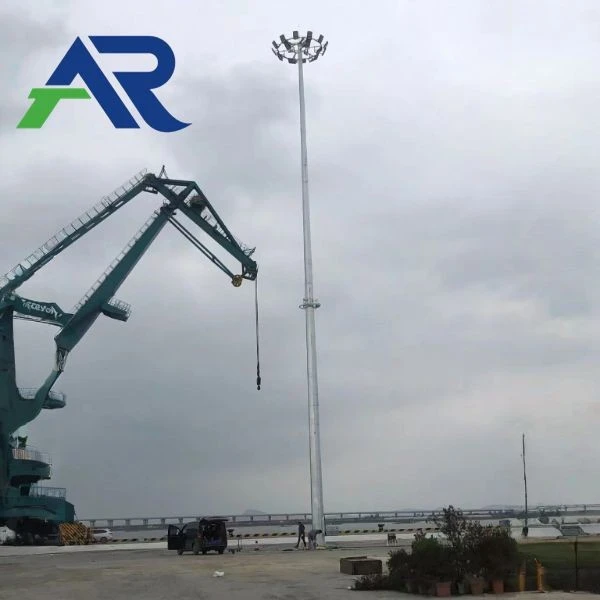
There are several types of sensors that can be installed on municipal light poles, depending on the specific application. For example, environmental sensors can be used to monitor air quality, temperature, humidity, and noise levels. Traffic sensors can detect vehicle and pedestrian movement, providing valuable data for traffic management and urban planning. Security sensors, such as cameras and motion detectors, can enhance public safety by monitoring public spaces.
Benefits of Installing Sensors on Municipal Light Poles
1. Smart City Integration
The installation of sensors on municipal light poles is a key component of smart city initiatives. By collecting and analyzing data from these sensors, cities can make more informed decisions about urban planning, resource allocation, and service delivery. For example, data from traffic sensors can be used to optimize traffic flow, reduce congestion, and improve transportation efficiency. Environmental sensors can help cities monitor and address air pollution, noise pollution, and other environmental issues.
2. Energy Efficiency
Sensors can also be used to improve the energy efficiency of municipal lighting systems. For instance, occupancy sensors can detect the presence of pedestrians or vehicles and adjust the lighting levels accordingly. This not only reduces energy consumption but also extends the lifespan of the light bulbs. Additionally, light sensors can automatically adjust the brightness of the lights based on the ambient light conditions, further optimizing energy usage.
3. Public Safety
Security sensors installed on municipal light poles can enhance public safety by providing real-time monitoring of public spaces. Cameras can be used to deter crime, identify suspects, and provide evidence in case of an incident. Motion detectors can trigger alarms or notifications when unusual activity is detected, allowing law enforcement agencies to respond quickly.
4. Cost Savings
By integrating sensors into municipal light poles, cities can potentially save on infrastructure costs. Instead of installing separate poles or structures for sensor deployment, they can leverage the existing light pole infrastructure. This not only reduces the initial capital investment but also lowers the maintenance and operational costs associated with sensor installation.
Considerations for Installing Sensors on Municipal Light Poles
1. Compatibility
Before installing sensors on municipal light poles, it's important to ensure that the sensors are compatible with the existing pole infrastructure. This includes considering factors such as the pole's size, shape, and material, as well as the electrical and communication requirements of the sensors. Additionally, the sensors should be able to withstand the environmental conditions, such as weather, temperature, and humidity, in the area where they will be installed.
2. Permitting and Regulations
Installing sensors on municipal light poles may require obtaining permits from the local government or relevant authorities. It's important to familiarize yourself with the local regulations and requirements before proceeding with the installation. This may include obtaining approvals from the city's public works department, electrical department, or other regulatory bodies.
3. Data Management and Privacy
Once the sensors are installed and collecting data, it's important to have a proper data management system in place. This includes storing, analyzing, and sharing the data in a secure and compliant manner. Additionally, it's important to consider the privacy implications of collecting and using sensor data. Cities should ensure that they have appropriate policies and procedures in place to protect the privacy of individuals and comply with relevant data protection laws.
4. Maintenance and Support
Like any other infrastructure, sensors installed on municipal light poles require regular maintenance and support. This includes checking the sensors for proper functioning, replacing batteries or components as needed, and ensuring that the data is being transmitted accurately. It's important to have a reliable maintenance and support plan in place to ensure the long-term performance and reliability of the sensors.
Types of Municipal Light Poles Suitable for Sensor Installation
There are several types of municipal light poles that are suitable for sensor installation. Municipal Light Pole come in a variety of designs and materials, including steel, aluminum, and fiberglass. These poles are typically designed to be durable, weather-resistant, and easy to install.
Another option is Smart Light Pole, which are specifically designed to integrate sensors and other smart city technologies. These poles often come with pre-installed wiring, communication ports, and mounting brackets, making it easier to install and connect sensors. Smart light poles can also be equipped with advanced features such as remote monitoring and control, energy management, and data analytics.
In addition to municipal and smart light poles, Traffic Signal Pole Types can also be used for sensor installation. These poles are typically taller and more robust than regular light poles, making them suitable for mounting larger sensors or multiple sensors. Traffic signal poles are also often located in high-traffic areas, providing a good vantage point for traffic and environmental sensors.
Conclusion
In conclusion, installing sensors on municipal light poles is a feasible and beneficial solution for smart city integration, energy efficiency, public safety, and cost savings. However, it's important to consider the compatibility, permitting, data management, and maintenance requirements before proceeding with the installation. As a supplier of municipal light poles, we have the expertise and experience to help you select the right poles and sensors for your specific application.
If you're interested in learning more about installing sensors on municipal light poles or are looking to purchase municipal light poles for your project, we encourage you to contact us for a consultation. Our team of experts will be happy to assist you in finding the best solution for your needs.
References
- "Smart City Sensor Technologies: A Review." Journal of Urban Technology, Vol. 25, No. 3, 2018.
- "The Role of Sensors in Energy-Efficient Lighting Systems." Energy Efficiency, Vol. 10, No. 2, 2017.
- "Public Safety and Surveillance Sensors in Urban Environments." International Journal of Urban and Regional Research, Vol. 42, No. 1, 2018.