

Do I need a professional to install a fiberglass chimney? This is a question that many homeowners and business owners often ask when considering a new chimney installation. As a supplier of Fiberglass Chimney, I've encountered this query numerous times. In this blog, I'll delve into the factors to consider when deciding whether professional installation is necessary for your fiberglass chimney.

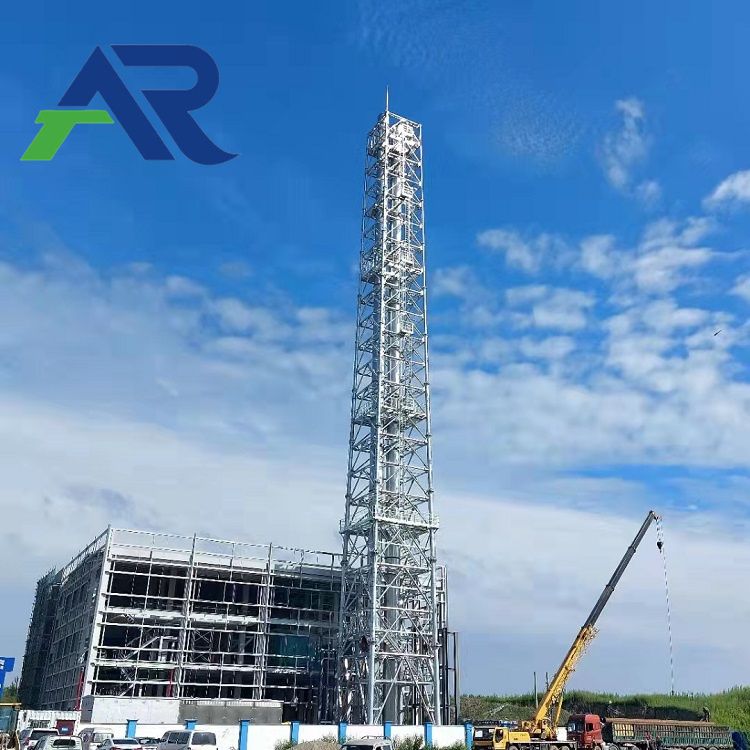
Understanding Fiberglass Chimneys
Fiberglass chimneys have gained popularity in recent years due to their numerous advantages. They are lightweight, corrosion - resistant, and relatively easy to handle compared to traditional chimney materials. Fiberglass is also known for its excellent insulation properties, which can help improve energy efficiency in your home or commercial building.
The construction of fiberglass chimneys involves layers of fiberglass - reinforced plastic (FRP), which are designed to withstand high temperatures and harsh environmental conditions. These chimneys are available in various sizes and configurations to suit different applications, from small residential fireplaces to large industrial furnaces.
The Complexity of Installation
Installing a fiberglass chimney is not as straightforward as it may seem. While the material itself is lightweight, the installation process requires careful planning and precision. Here are some of the key aspects that contribute to the complexity of the installation:
Site Assessment
Before installation, a thorough site assessment is necessary. This includes evaluating the structural integrity of the building where the chimney will be installed, determining the best location for the chimney, and ensuring that there are no obstructions or potential hazards. For example, the chimney must be installed at a safe distance from combustible materials such as wooden beams or insulation.
Flue Sizing
Proper flue sizing is crucial for the efficient operation of the chimney. The flue diameter must be carefully calculated based on the size of the appliance it will serve, such as a furnace or a fireplace. An incorrectly sized flue can lead to poor draft, which can cause smoke to back up into the building, as well as increased energy consumption.
Sealing and Insulation
To prevent leaks and ensure optimal performance, the chimney must be properly sealed and insulated. This involves using high - quality sealants and insulation materials to create a tight barrier between the chimney and the surrounding environment. Any gaps or cracks in the seal can allow heat to escape, reducing energy efficiency and potentially causing damage to the building.
Connection to the Appliance
The chimney must be correctly connected to the heating appliance. This requires knowledge of the specific requirements of the appliance, as well as the proper installation techniques to ensure a secure and airtight connection. A faulty connection can lead to dangerous carbon monoxide leaks, which pose a serious health risk to the occupants of the building.
Benefits of Professional Installation
Given the complexity of fiberglass chimney installation, hiring a professional installer offers several significant benefits:
Expertise and Experience
Professional installers have the knowledge and experience necessary to handle all aspects of the installation process. They are familiar with local building codes and regulations, which ensures that the installation is compliant and safe. Their expertise also allows them to troubleshoot any issues that may arise during the installation, such as unexpected structural problems or compatibility issues with the heating appliance.
Quality Assurance
Professional installers use high - quality materials and tools to ensure a durable and long - lasting installation. They stand behind their work and often offer warranties, which provides peace of mind for the customer. In contrast, a DIY installation may not meet the same quality standards, and any problems that occur after the installation may be difficult and costly to fix.
Safety
Safety is of utmost importance when it comes to chimney installation. Professional installers are trained to follow strict safety protocols to minimize the risk of accidents during the installation process. They also ensure that the chimney is installed in a way that prevents carbon monoxide leaks and other potential hazards, protecting the health and well - being of the building's occupants.
DIY Installation Considerations
While professional installation is generally recommended, some homeowners may consider a DIY approach. Here are some factors to keep in mind if you're thinking about installing a fiberglass chimney yourself:
Skill Level
You need to have a certain level of technical skill and experience in construction and plumbing to attempt a DIY installation. If you're not familiar with basic tools and installation techniques, it's best to leave the job to the professionals.
Time and Resources
Installing a chimney is a time - consuming process that requires a significant amount of effort. You'll need to set aside enough time to complete the installation, as well as gather all the necessary tools and materials. Additionally, you may need to enlist the help of others, especially for tasks such as lifting and positioning the chimney sections.
Warranty and Liability
Most manufacturers' warranties are only valid if the chimney is installed by a professional. By attempting a DIY installation, you may void the warranty, leaving you responsible for any repairs or replacements in the future. You also need to consider the potential liability if something goes wrong during the installation and causes damage to your property or injury to someone.
Comparison with Other Chimney Materials
When considering a chimney installation, it's also worth comparing fiberglass chimneys with other common chimney materials, such as Stainless Steel Chimneys and Titanium Steel Composite Plate Chimney.
Stainless Steel Chimneys
Stainless steel chimneys are known for their durability and resistance to corrosion. They are often used in commercial and industrial applications. However, they are heavier than fiberglass chimneys, which can make installation more challenging. Professional installation is almost always recommended for stainless steel chimneys due to their weight and the need for precise welding and fitting.
Titanium Steel Composite Plate Chimney
Titanium steel composite plate chimneys offer excellent corrosion resistance and high - temperature performance. They are commonly used in harsh industrial environments. The installation of these chimneys requires specialized knowledge and equipment, and professional installation is essential to ensure proper functioning and safety.
Conclusion
In conclusion, while it may be tempting to install a fiberglass chimney yourself, the complexity of the installation process makes professional installation highly advisable. A professional installer can ensure that the chimney is installed correctly, safely, and in compliance with all relevant codes and regulations. This not only provides peace of mind but also ensures the long - term performance and efficiency of the chimney.
If you're considering purchasing a fiberglass chimney, we are here to assist you. Our team of experts can provide you with detailed information about our products, as well as connect you with qualified professional installers in your area. Whether you have a small residential project or a large commercial application, we have the right fiberglass chimney solution for you. Contact us today to start the conversation about your chimney installation needs.
References
- "Chimney Installation Best Practices", National Chimney Sweep Guild
- "Fiberglass Chimney Installation Guide", Manufacturer's Manual
- "Building Codes and Regulations for Chimney Installation", Local Building Department