

What are the common maintenance problems of a fiberglass tower chimney?
As a supplier of Fiberglass Tower Chimneys, I've had the privilege of working closely with numerous clients across various industries. Fiberglass tower chimneys are renowned for their durability, corrosion resistance, and cost - effectiveness. However, like any industrial equipment, they are not immune to maintenance issues. In this blog, I'll delve into the common maintenance problems associated with fiberglass tower chimneys and offer some insights on how to address them.

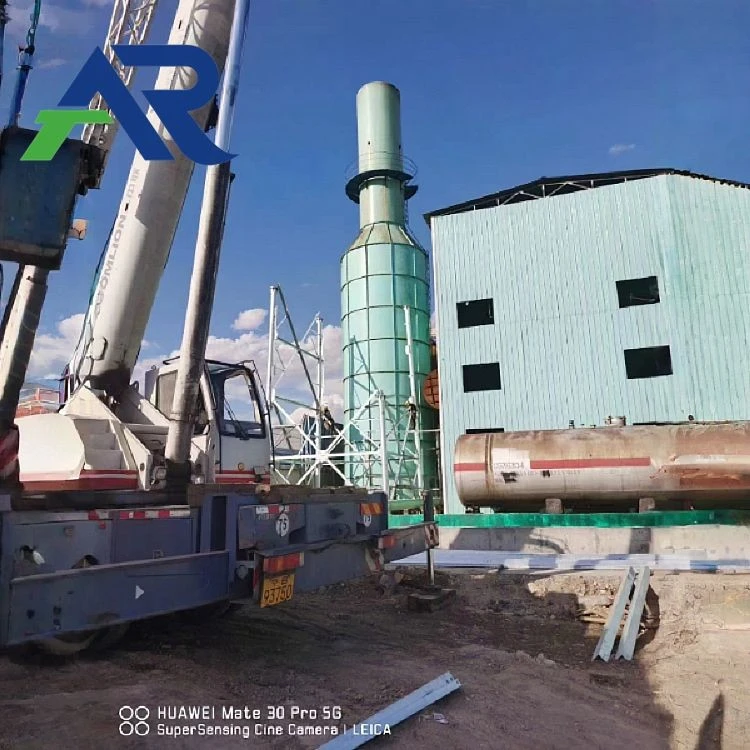
1. Surface Degradation
One of the most prevalent maintenance problems with fiberglass tower chimneys is surface degradation. Over time, exposure to harsh environmental conditions such as UV radiation, extreme temperatures, and chemical pollutants can take a toll on the chimney's surface. UV radiation, in particular, can cause the fiberglass resin to break down, leading to a loss of gloss and color. This not only affects the aesthetic appeal of the chimney but can also compromise its structural integrity.
To mitigate surface degradation, regular inspections are crucial. A simple visual inspection can help identify early signs of surface damage, such as cracking, chalking, or discoloration. Applying a high - quality UV - resistant coating can provide an additional layer of protection against the sun's harmful rays. Additionally, keeping the chimney clean by removing dirt, debris, and chemical deposits can prevent further surface deterioration.
2. Corrosion
Although fiberglass is highly resistant to corrosion compared to traditional materials like steel, it is not completely immune. In environments where the chimney is exposed to aggressive chemicals, such as acids or alkalis, corrosion can still occur. Chemical corrosion can eat away at the fiberglass matrix, weakening the structure and potentially leading to leaks.
To prevent corrosion, it's essential to select the right type of fiberglass resin for the specific application. Some resins are formulated to be more resistant to certain chemicals than others. Regular monitoring of the chemical environment around the chimney is also necessary. If corrosion is detected, the affected area should be repaired promptly. This may involve sanding the corroded surface, applying a corrosion - resistant primer, and then a new layer of fiberglass resin.
3. Structural Damage
Structural damage to a fiberglass tower chimney can be caused by a variety of factors, including high winds, seismic activity, or physical impact. Cracks, delamination, and deformation are common signs of structural damage. Even small cracks can propagate over time, leading to more significant problems and potentially endangering the safety of the chimney.
When inspecting for structural damage, it's important to use non - destructive testing methods, such as ultrasonic testing or infrared thermography. These techniques can help detect internal damage that may not be visible to the naked eye. If structural damage is found, the repair process can be complex and may require the expertise of a professional. In some cases, it may be necessary to reinforce the damaged area with additional fiberglass layers or replace the damaged section entirely.
4. Joint and Sealant Issues
Joints and sealants play a crucial role in maintaining the integrity of a fiberglass tower chimney. Over time, the sealants can degrade due to exposure to heat, chemicals, and weathering. This can lead to leaks, which not only waste energy but can also cause damage to the surrounding environment.
Regular inspection of joints and sealants is necessary to ensure they are in good condition. If any signs of degradation are detected, the old sealant should be removed, and a new, high - quality sealant should be applied. It's also important to ensure that the joints are properly aligned during installation to prevent stress on the sealants.
5. Blockages
Blockages in a fiberglass tower chimney can occur due to the accumulation of debris, such as leaves, dirt, or chemical by - products. Blockages can restrict the flow of exhaust gases, reducing the efficiency of the chimney and potentially causing backpressure. This can lead to problems such as poor combustion, increased energy consumption, and even safety hazards.
To prevent blockages, regular cleaning of the chimney is essential. This can be done using specialized cleaning equipment, such as high - pressure water jets or vacuum cleaners. Installing a debris screen at the top of the chimney can also help prevent large objects from entering the chimney.
Comparison with Titanium Steel Composite Plate Tower Chimney
While fiberglass tower chimneys have many advantages, it's worth comparing them with Titanium Steel Composite Plate Tower Chimney. Titanium steel composite plate tower chimneys offer high strength and excellent corrosion resistance, especially in extremely harsh environments. However, they are generally more expensive than fiberglass tower chimneys and may require more complex installation and maintenance procedures.
On the other hand, Fiberglass Tower Chimney are more cost - effective, easier to install, and have good corrosion resistance in most common industrial environments. The choice between the two depends on the specific requirements of the application, including the chemical environment, budget, and expected service life.
Conclusion
In conclusion, while fiberglass tower chimneys are a reliable and cost - effective solution for many industrial applications, they do require proper maintenance to ensure their long - term performance and safety. By being aware of the common maintenance problems, such as surface degradation, corrosion, structural damage, joint and sealant issues, and blockages, and taking proactive measures to address them, you can extend the lifespan of your fiberglass tower chimney.
If you're in the market for a fiberglass tower chimney or need assistance with maintenance and repair, I encourage you to reach out. Our team of experts is ready to provide you with the best solutions tailored to your specific needs. Contact us to start a procurement discussion and find out how we can help you optimize your chimney system.
References
- "Handbook of Fiberglass - Reinforced Plastics" by Samuel F. Habeger
- "Corrosion Resistance of Fiberglass Reinforced Plastic" by the American Society for Testing and Materials
- "Industrial Chimney Design and Maintenance" by various industry experts