

As a supplier of steel corrugated culverts, I often encounter inquiries about the feasibility of using our products in various terrains, especially mountainous areas. This blog aims to delve into the suitability of steel corrugated culverts for mountainous regions, exploring their advantages, challenges, and practical applications.
Advantages of Steel Corrugated Culverts in Mountainous Areas
1. High Strength and Flexibility
Steel corrugated culverts are known for their exceptional strength - to - weight ratio. In mountainous areas, where the terrain is often uneven and the soil conditions can be complex, the high strength of steel allows the culverts to withstand heavy loads from passing vehicles, as well as the pressure exerted by the surrounding soil and rock. Moreover, the corrugated design provides flexibility. This flexibility enables the culvert to adapt to ground movements caused by seismic activities, landslides, or soil settlement, which are common in mountainous regions. For example, during an earthquake, a rigid culvert may crack or break, while a steel corrugated culvert can bend and absorb the shock, maintaining its structural integrity.
2. Ease of Installation
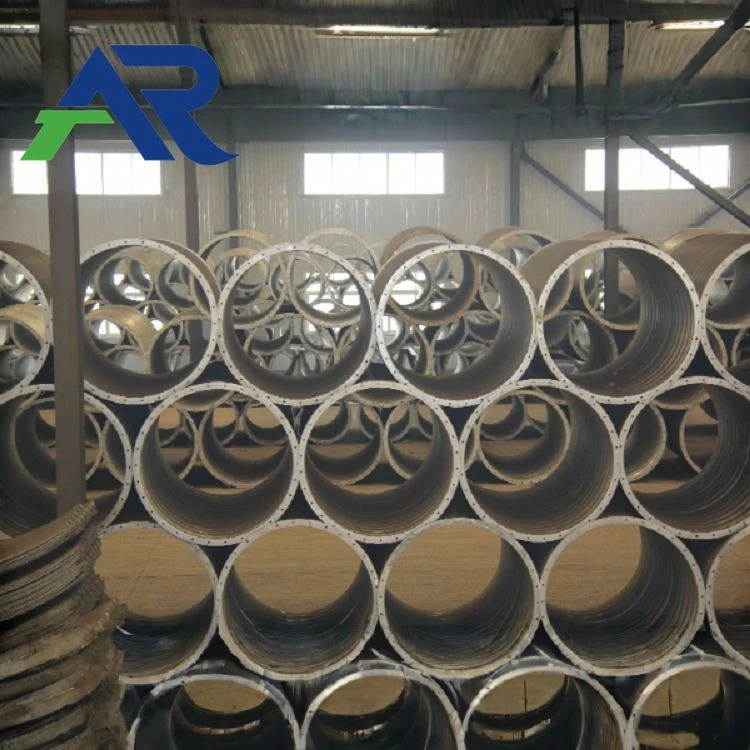
Mountainous areas often present challenges in terms of accessibility and construction conditions. Traditional culverts, such as concrete ones, require large - scale equipment and a significant amount of on - site labor for installation. In contrast, steel corrugated culverts are relatively lightweight and can be pre - fabricated in the factory. They can then be easily transported to the mountainous site and assembled quickly. This reduces the construction time and the need for heavy machinery, which is often difficult to maneuver in mountainous terrain. The ease of installation also means that the disruption to the natural environment can be minimized, which is crucial for maintaining the ecological balance in mountainous areas.
3. Resistance to Corrosion
Mountainous regions may have different weather conditions, including high humidity, heavy rainfall, and acidic soil in some areas. Steel corrugated culverts can be coated with anti - corrosion materials, such as zinc or epoxy, to enhance their resistance to corrosion. This ensures a long service life, even in harsh mountain environments. For instance, in areas with high levels of precipitation, the anti - corrosion coating can prevent the steel from rusting and deteriorating over time, reducing the need for frequent maintenance and replacement.
4. Cost - Effectiveness
When considering the overall cost of a culvert project in mountainous areas, steel corrugated culverts offer significant advantages. The lower transportation costs due to their lightweight nature, combined with the reduced installation time and labor requirements, result in cost savings. Additionally, the long service life and low maintenance costs of steel corrugated culverts make them a more economical choice in the long run compared to other types of culverts.
Challenges and Solutions
1. Extreme Weather Conditions
Mountainous areas are prone to extreme weather conditions, such as heavy snowfall, strong winds, and intense sunlight. Heavy snow can put additional pressure on the culvert, while strong winds may cause vibrations. Intense sunlight can also lead to temperature variations, which may affect the material properties of the steel. To address these challenges, proper design and installation are crucial. For example, the culvert can be designed with a larger cross - sectional area to withstand the snow load. Wind - resistant structures can be added, and the anti - corrosion coating can be selected to resist ultraviolet radiation.
2. Difficult Terrain and Soil Conditions
The uneven terrain and variable soil conditions in mountainous areas can pose challenges to the installation of steel corrugated culverts. Soft or unstable soil may require additional foundation treatment. In such cases, techniques like soil compaction, the use of geotextiles, or the installation of a concrete base can be employed to ensure the stability of the culvert. When dealing with rocky terrain, special excavation equipment may be needed to create a suitable foundation for the culvert.
3. Environmental Considerations
Mountainous areas are often rich in natural resources and have delicate ecosystems. The installation of culverts should be carried out with minimal environmental impact. Before starting the project, a detailed environmental assessment should be conducted. During construction, measures should be taken to prevent soil erosion, protect water sources, and minimize the disturbance to wildlife habitats. For example, sediment control barriers can be installed to prevent soil runoff into nearby streams.
Practical Applications in Mountainous Areas
1. Roadway Drainage
In mountainous regions, roads are often built to connect different areas. Steel corrugated culverts are widely used for roadway drainage. They can effectively divert water from the road surface, preventing waterlogging and ensuring the safety of vehicles. For example, in a mountain pass, a series of steel corrugated culverts can be installed along the roadside to collect and channel rainwater and melting snow away from the road, reducing the risk of road damage and accidents.
2. Agricultural Irrigation
Many mountainous areas rely on agriculture, and steel corrugated culverts can be used for irrigation purposes. They can be used to transfer water from rivers or reservoirs to farmlands. The flexibility and ease of installation of steel corrugated culverts make them suitable for the complex topography of mountainous farms. For instance, in a terraced farmland area, the culverts can be installed at different levels to ensure efficient water distribution.

3. River Crossings
In mountainous areas, there are often numerous rivers and streams. Steel corrugated culverts can be used as small - scale river crossings. They can provide a passage for vehicles and pedestrians while allowing the natural flow of water. Compared to large - scale bridges, steel corrugated culverts are more cost - effective and can be installed more quickly, making them a practical choice for remote mountainous areas.
Conclusion
In conclusion, steel corrugated culverts can indeed be used in mountainous areas. Their high strength, flexibility, ease of installation, corrosion resistance, and cost - effectiveness make them well - suited for the challenging conditions in mountainous regions. Although there are challenges such as extreme weather, difficult terrain, and environmental considerations, these can be overcome with proper design, installation, and environmental protection measures.
If you are interested in our Steel Corrugated Culvert products for your mountainous area projects, or if you have any questions about the suitability, installation, or customization of our culverts, please feel free to contact us for a detailed discussion. Our team of experts is ready to provide you with professional advice and high - quality products. We also offer Bridge Culvert Steel Corrugated Culvert and Steel Urban Underground Integrated Pipeline Corridor solutions to meet your diverse needs.
References
- "Design and Construction of Corrugated Steel,Culverts and Structural Plate Pipe" by American Iron and Steel Institute.
- "Guidelines for the Use of Corrugated Steel Structures in Highway Construction" by Federal Highway Administration.
- "Environmental Impact Assessment of Infrastructure Projects in Mountainous Areas" by International Mountain Society.