

In the contemporary world, electricity is the lifeblood of modern society, powering everything from our homes to industries. The seamless and efficient transmission of electricity over long distances is a complex feat, and electric power towers play a pivotal role in ensuring the quality of this transmission. As a leading Electric Power Tower supplier, I am well - versed in the mechanisms and technologies that make these towering structures indispensable for high - quality electricity transmission.
Structural Integrity and Design
The first step in ensuring the quality of electricity transmission is the design and construction of electric power towers with impeccable structural integrity. These towers are engineered to withstand a variety of environmental conditions, including strong winds, heavy snow, and seismic activities. A well - designed tower distributes the weight of the conductors (the cables that carry electricity) evenly, preventing excessive stress on any single point.
Modern power towers are often made of high - strength steel or concrete. Steel towers are favored for their high strength - to - weight ratio, which allows for more flexible design and easier transportation and installation. Concrete towers, on the other hand, offer excellent durability and resistance to corrosion, making them suitable for harsh environments.
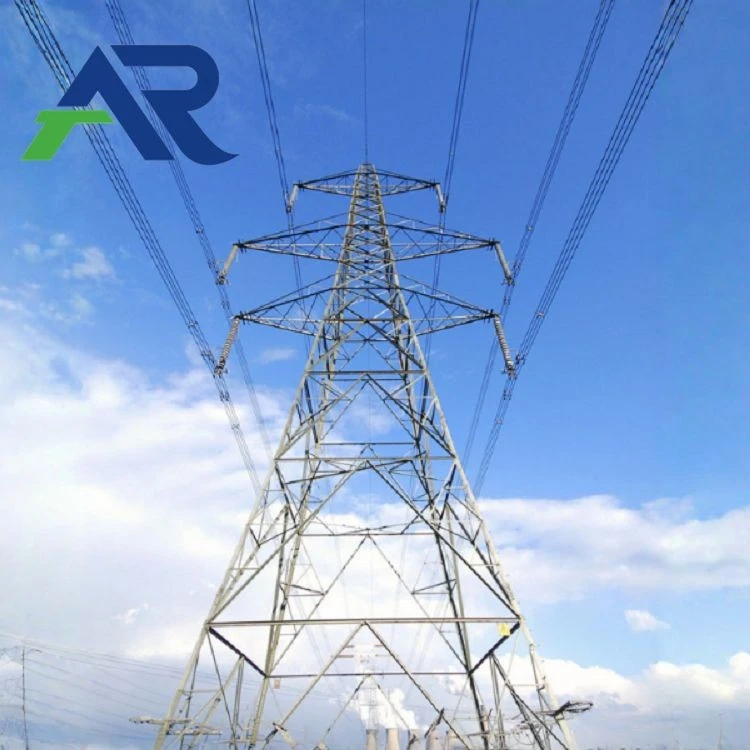
The shape and configuration of power towers also contribute to their performance. For example, lattice towers, which are composed of a framework of steel bars, are very efficient in terms of material usage and can provide stable support for long - span conductors. Monopole towers, which are single - column structures, are more aesthetically pleasing and are often used in urban areas where space is limited.

Conductor Support and Insulation
Electric power towers are responsible for supporting the conductors at a safe height above the ground. This not only prevents contact with the ground or other objects but also reduces the risk of interference from environmental factors such as vegetation and wildlife. The conductors are attached to the towers using insulators, which are made of materials such as porcelain, glass, or composite polymers.
Insulators are crucial for maintaining the quality of electricity transmission. They prevent the flow of current from the conductors to the tower structure, which could cause a short - circuit and disrupt the power supply. High - quality insulators have excellent electrical insulation properties and are designed to withstand high voltages and environmental stresses. For instance, porcelain insulators are known for their high mechanical strength and resistance to electrical breakdown, while composite insulators are lightweight and have good hydrophobicity, which helps to prevent the formation of conductive paths on the surface during wet conditions.
Grounding and Lightning Protection
Lightning is a major threat to the quality of electricity transmission. A lightning strike can cause significant damage to the conductors, insulators, and other components of the power grid. Electric power towers are equipped with grounding systems and lightning protection devices to mitigate this risk.
The grounding system of a power tower consists of a network of conductors that connect the tower structure to the ground. This provides a low - resistance path for the lightning current to flow into the earth, protecting the tower and the conductors from damage. Lightning protection devices, such as lightning rods or air terminals, are installed on the top of the towers to intercept lightning strikes and direct the current safely to the ground.
In addition to protecting the towers themselves, grounding and lightning protection systems also help to maintain the stability of the power grid. By preventing lightning - induced faults, they reduce the likelihood of power outages and ensure a continuous supply of electricity.
Monitoring and Maintenance
To ensure the long - term quality of electricity transmission, regular monitoring and maintenance of electric power towers are essential. As a Industrial Iron Towers supplier, we understand the importance of providing our customers with towers that are easy to monitor and maintain.
Advanced monitoring technologies, such as sensors and remote monitoring systems, can be used to detect early signs of damage or deterioration in the towers. These sensors can measure parameters such as tower inclination, vibration, and temperature, and transmit the data to a central control center. By analyzing this data, operators can identify potential problems and take preventive measures before they escalate.
Maintenance activities include visual inspections, structural repairs, and replacement of worn - out components. Regular inspections can help to detect corrosion, cracks, or other damage to the tower structure, while timely repairs can prevent further deterioration and ensure the continued safe operation of the towers.
Impact on Power Quality
The quality of electricity transmission is not only about the physical integrity of the power towers but also about the impact on the electrical characteristics of the power grid. Electric power towers can affect power quality in several ways.
Firstly, the impedance of the conductors and the tower structure can cause voltage drops along the transmission line. This can result in a decrease in the voltage at the receiving end, which may affect the performance of electrical equipment. To minimize voltage drops, power towers are designed to support conductors with low resistance and to optimize the spacing between the conductors.
Secondly, the electromagnetic fields generated by the conductors can cause interference with other electrical systems, such as communication lines and electronic devices. Power towers are designed to minimize these electromagnetic interferences by using proper grounding and shielding techniques.
Adaptability to Different Environments
Electric power towers need to be adaptable to different environmental conditions around the world. Whether it is the extreme cold of the Arctic regions, the high humidity of tropical areas, or the harsh desert environment, power towers must be able to perform reliably.
In cold regions, power towers are designed to withstand heavy snow loads and freezing temperatures. Special coatings can be applied to the tower structure to prevent ice formation, and the conductors are selected to have good low - temperature performance. In tropical areas, where there is high humidity and a high incidence of lightning, the towers are equipped with effective insulation and lightning protection systems. In desert areas, the towers are designed to resist sand erosion and high - temperature fluctuations.
The Role of Innovation
Innovation plays a crucial role in improving the quality of electricity transmission through electric power towers. New materials, such as advanced composites and high - strength alloys, are being developed to make the towers lighter, stronger, and more durable. These materials can reduce the environmental impact of tower construction and improve the efficiency of installation and maintenance.
In addition, new design concepts and technologies are being introduced to enhance the performance of power towers. For example, smart towers equipped with sensors and communication devices can provide real - time data on tower conditions, enabling more proactive maintenance and management of the power grid.
Conclusion
Electric power towers are the backbone of the electricity transmission system, and their role in ensuring the quality of electricity transmission cannot be overstated. As a Iron Towers supplier, we are committed to providing our customers with high - quality towers that are designed to meet the most demanding requirements.
By focusing on structural integrity, conductor support, grounding and lightning protection, monitoring and maintenance, and adaptability to different environments, we can help to ensure a reliable and efficient power supply. If you are in the market for electric power towers or have any questions about our products, we encourage you to contact us for a detailed discussion. Our team of experts is ready to assist you in finding the best solutions for your electricity transmission needs.
References
- Grover, J. K. (2014). Power System Analysis and Design. Cengage Learning.
- Stevenson, W. D. (1982). Elements of Power System Analysis. McGraw - Hill.
- IEEE Standards Association. (2018). IEEE Guide for the Design and Installation of Lightning Protection Systems for Industrial and Commercial Facilities.