
Can landscape chimneys be moved or relocated?
As a supplier of Landscape Chimneys, I've encountered numerous inquiries from clients regarding the possibility of moving or relocating these structures. This topic is not only of practical interest to those looking to reconfigure their industrial or outdoor spaces but also raises several technical and logistical considerations. In this blog, I'll delve into the feasibility of moving landscape chimneys, the associated challenges, and the steps involved in a successful relocation.
Feasibility of Moving Landscape Chimneys
The answer to whether landscape chimneys can be moved is a qualified yes. However, it heavily depends on several factors, including the chimney's design, size, material, and its current installation conditions.
Design and Size
Modern landscape chimneys come in various designs, from simple freestanding structures to more complex ones integrated with other industrial facilities. Smaller, freestanding landscape chimneys are generally more amenable to relocation. Their relatively compact size and independent nature make them easier to disassemble, transport, and reinstall. For instance, some pre - fabricated landscape chimneys can be broken down into modular components, which simplifies the moving process.
On the other hand, larger chimneys that are part of a larger industrial complex may pose significant challenges. These chimneys are often custom - built and integrated with other systems such as ventilation, heating, or exhaust pipes. Moving them requires careful planning to ensure that all associated systems can be safely disconnected, transported, and reconnected without causing damage.
Material
The material of the chimney also plays a crucial role. Landscape chimneys can be made from a variety of materials, including steel, concrete, and brick. Steel chimneys are relatively lightweight and can be more easily cut, transported, and reassembled. They are also less prone to cracking during the moving process compared to concrete or brick chimneys.
Concrete and brick chimneys, while durable, are heavier and more brittle. Moving them requires specialized equipment and techniques to prevent structural damage. For example, cutting a concrete chimney into sections for transport must be done precisely to avoid weakening the structure.
Installation Conditions
The current installation conditions of the chimney are another important factor. If the chimney is located in an area with easy access, such as an open industrial yard, the moving process will be more straightforward. However, if it is surrounded by other structures, equipment, or has limited space for maneuvering, it can significantly complicate the relocation.
Challenges Associated with Moving Landscape Chimneys
Structural Integrity
One of the primary challenges in moving a landscape chimney is maintaining its structural integrity. During the disassembly, transport, and reinstallation process, the chimney may be subjected to various stresses that can compromise its strength. For example, cutting or welding operations during disassembly can introduce weak points in the structure if not done correctly.
To mitigate this risk, a detailed structural analysis should be conducted before the move. This analysis will help identify potential weak points and determine the appropriate reinforcement measures. Additionally, experienced engineers and technicians should be involved in the entire process to ensure that all operations are carried out in accordance with industry standards.
Regulatory Compliance
Moving a landscape chimney may also involve compliance with various regulations. These regulations can include building codes, environmental regulations, and safety standards. For example, in some areas, a permit may be required to move a chimney, especially if it is a large or complex structure.
It is essential to consult with local authorities early in the planning process to understand the regulatory requirements and obtain the necessary approvals. Failure to comply with these regulations can result in fines, delays, or even the suspension of the relocation project.
Logistics
Logistics is another significant challenge. Transporting a large chimney requires specialized equipment, such as heavy - duty trucks, cranes, and trailers. The size and weight of the chimney will determine the type of equipment needed. Additionally, the route for transportation must be carefully planned to ensure that it can accommodate the size and weight of the load.
During the reinstallation, the chimney must be precisely positioned and leveled to ensure proper functioning. This requires accurate measurement and alignment, which can be challenging, especially in a new location.
Steps Involved in Moving a Landscape Chimney
Planning and Assessment
The first step in moving a landscape chimney is to conduct a comprehensive planning and assessment phase. This includes a detailed inspection of the chimney's structure, a review of its associated systems, and an analysis of the current installation conditions. A team of engineers, architects, and technicians should be involved in this phase to ensure that all aspects are considered.
During this phase, a detailed project plan should be developed, including a timeline, budget, and a list of required equipment and resources. The plan should also outline the steps for disassembly, transport, and reinstallation, as well as any necessary reinforcement or modification measures.
Disassembly
Once the planning phase is complete, the disassembly process can begin. This involves carefully disconnecting the chimney from all associated systems, such as ventilation pipes, heating systems, and exhaust ducts. The chimney should then be cut into sections if necessary, using appropriate cutting tools and techniques.

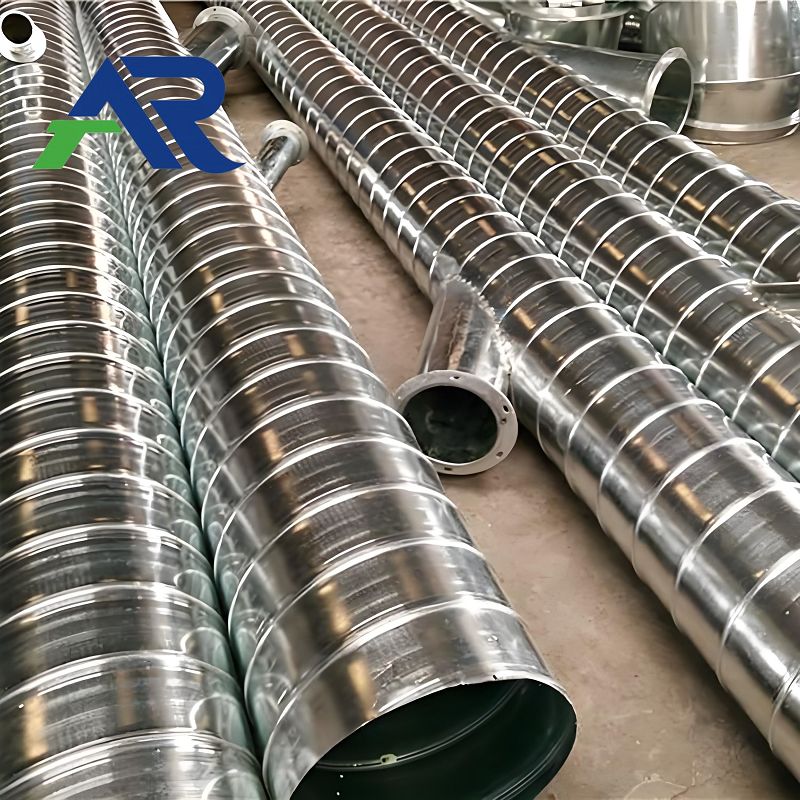
During disassembly, it is important to label all components to ensure that they can be easily reassembled in the correct order. Additionally, any loose or damaged parts should be repaired or replaced before transport.
Transport
After disassembly, the chimney sections are ready for transport. As mentioned earlier, specialized equipment is required to ensure safe and efficient transportation. The sections should be securely fastened to the transport vehicle to prevent movement during transit.
The transport route should be carefully planned to avoid any obstacles or restrictions. It is also advisable to have a contingency plan in case of unexpected delays or emergencies.
Reinstallation
Upon arrival at the new location, the chimney sections are reinstalled. This involves positioning the sections accurately and welding or bolting them together. The associated systems are then reconnected, and the chimney is tested to ensure that it is functioning properly.
A final inspection should be conducted to verify that the chimney meets all safety and performance standards. Any necessary adjustments or repairs should be made before the chimney is put back into service.
Our Offer as a Landscape Chimney Supplier
As a leading supplier of Landscape Chimney, we understand the complexities involved in moving or relocating these structures. We offer a comprehensive range of services to assist our clients in the process, from initial assessment and planning to disassembly, transport, and reinstallation.
Our team of experienced engineers and technicians has the expertise and knowledge to handle all types of landscape chimneys, regardless of their size or complexity. We use the latest technology and equipment to ensure that the moving process is carried out safely and efficiently.
In addition to our landscape chimneys, we also offer Double - layer Insulation Chimney and Steel And Iron Towers to meet the diverse needs of our clients. These products are designed to provide high - performance and long - lasting solutions for various industrial and outdoor applications.
If you are considering moving or relocating a landscape chimney, we encourage you to contact us for a consultation. Our team will be happy to discuss your specific requirements and provide you with a customized solution. We are committed to providing our clients with the highest level of service and quality products.
References
- Building Codes and Standards Handbook
- Structural Engineering Manual for Industrial Chimneys
- Environmental Regulations for Industrial Structures