

As a supplier of free standing chimneys, I often encounter inquiries about the thermal conductivity of these structures. Thermal conductivity is a crucial property that affects the efficiency, safety, and performance of a chimney. In this blog post, I will delve into the concept of thermal conductivity, explain its significance in the context of free standing chimneys, and discuss how it varies across different types of our products.
Understanding Thermal Conductivity
Thermal conductivity, denoted by the symbol k, is a measure of a material's ability to conduct heat. It is defined as the quantity of heat (Q) that passes through a unit area (A) of a material in a unit time (t) under a unit temperature gradient (ΔT/Δx). Mathematically, it can be expressed as:
[ k = \frac{Q \cdot \Delta x}{A \cdot t \cdot \Delta T} ]
The SI unit of thermal conductivity is watts per meter-kelvin (W/(m·K)). A high thermal conductivity value indicates that a material can transfer heat quickly, while a low value means that the material is a poor conductor of heat, or an insulator.
Significance of Thermal Conductivity in Free Standing Chimneys
In the context of free standing chimneys, thermal conductivity plays several important roles:
Efficiency
A chimney with low thermal conductivity helps to maintain the temperature of the flue gases inside the chimney. This is essential for ensuring proper draft, which is the force that draws the combustion products up and out of the chimney. If the chimney walls conduct heat too readily, the flue gases will cool down quickly, reducing the draft and potentially leading to poor combustion and increased emissions.
Safety
High thermal conductivity can cause the outer surface of the chimney to become very hot, posing a fire hazard. A chimney with low thermal conductivity acts as a barrier, reducing the heat transfer to the surrounding environment and minimizing the risk of fire.
Durability
Excessive heat transfer can also cause thermal stress on the chimney materials, leading to cracking, warping, and other forms of damage. By reducing the thermal conductivity, we can extend the lifespan of the chimney and reduce the need for maintenance and repairs.
Thermal Conductivity of Different Types of Free Standing Chimneys
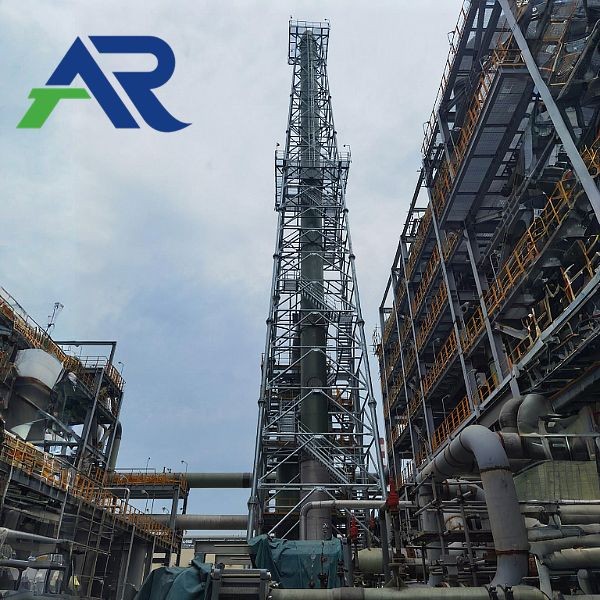
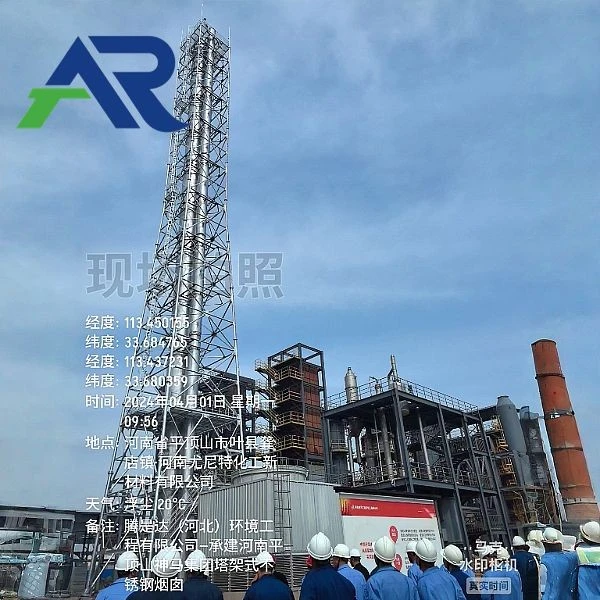
At our company, we offer a range of free standing chimneys, including Single Sleeve Chimney, Stainless Steel Factory Chimney, and Multi-sleeve Chimney. Each type of chimney has different thermal conductivity characteristics, depending on the materials used and the design.
Single Sleeve Chimney
Single sleeve chimneys are typically made of a single layer of metal, such as stainless steel or carbon steel. The thermal conductivity of these materials is relatively high, which means that they can transfer heat quickly. However, single sleeve chimneys are often insulated to reduce the heat transfer to the outer surface. The insulation material, such as ceramic fiber or mineral wool, has a low thermal conductivity, which helps to improve the energy efficiency and safety of the chimney.
Stainless Steel Factory Chimney
Stainless steel factory chimneys are known for their durability and corrosion resistance. Stainless steel has a thermal conductivity of around 16 - 24 W/(m·K), which is higher than some other materials. However, the thermal conductivity can be reduced by using insulation materials or by designing the chimney with multiple layers. Our stainless steel factory chimneys are often equipped with high-quality insulation to ensure optimal performance.
Multi-sleeve Chimney
Multi-sleeve chimneys consist of multiple layers of metal or other materials, separated by an air gap or insulation. The air gap or insulation layer acts as a barrier, reducing the heat transfer between the inner and outer sleeves. This design significantly reduces the thermal conductivity of the chimney, improving its energy efficiency and safety. The thermal conductivity of a multi-sleeve chimney can be tailored to specific requirements by adjusting the thickness and type of insulation used.
Factors Affecting Thermal Conductivity
Several factors can affect the thermal conductivity of a free standing chimney:
Material Composition
As mentioned earlier, different materials have different thermal conductivity values. Metals generally have high thermal conductivity, while ceramics and insulation materials have low thermal conductivity. The choice of material for the chimney walls and insulation can have a significant impact on the overall thermal performance.
Temperature
Thermal conductivity can vary with temperature. In general, the thermal conductivity of most materials increases with increasing temperature. However, the relationship between thermal conductivity and temperature is complex and depends on the specific material.
Density
The density of a material can also affect its thermal conductivity. In general, materials with higher density tend to have higher thermal conductivity. However, this is not always the case, as other factors such as the structure and composition of the material also play a role.
Moisture Content
Moisture can increase the thermal conductivity of a material. If a chimney is exposed to moisture, either from the flue gases or from the environment, the thermal performance of the chimney may be affected. Therefore, it is important to ensure that the chimney is properly sealed and protected from moisture.
Measuring and Testing Thermal Conductivity
To ensure the quality and performance of our free standing chimneys, we conduct rigorous testing to measure the thermal conductivity. There are several methods for measuring thermal conductivity, including the guarded hot plate method and the heat flow meter method. These methods involve applying a known heat flux to the chimney sample and measuring the temperature difference across the sample. By using these methods, we can accurately determine the thermal conductivity of the chimney and ensure that it meets the required standards.
Conclusion
In conclusion, thermal conductivity is a critical property of free standing chimneys that affects their efficiency, safety, and durability. At our company, we understand the importance of thermal conductivity and strive to provide high-quality chimneys with optimal thermal performance. Our range of Single Sleeve Chimney, Stainless Steel Factory Chimney, and Multi-sleeve Chimney are designed to minimize heat transfer and provide reliable performance.
If you are in the market for a free standing chimney and have any questions about thermal conductivity or our products, please do not hesitate to contact us. We are here to help you find the best solution for your needs and ensure that your chimney performs at its best.
References
- Incropera, F. P., & DeWitt, D. P. (2002). Fundamentals of Heat and Mass Transfer. John Wiley & Sons.
- Holman, J. P. (2002). Heat Transfer. McGraw-Hill.