

In recent years, the concept of smart cities has been gaining significant traction, leading to a surge in the development and implementation of various smart technologies. Among these, the Smart Light Pole stands out as a versatile and innovative solution that has the potential to revolutionize the way we manage and utilize urban spaces. While smart light poles are commonly associated with street lighting and urban infrastructure, their applications extend far beyond the traditional realm. In this blog post, we will explore the feasibility and benefits of using smart light poles in stadiums, as a leading smart light pole supplier.
Understanding Smart Light Poles
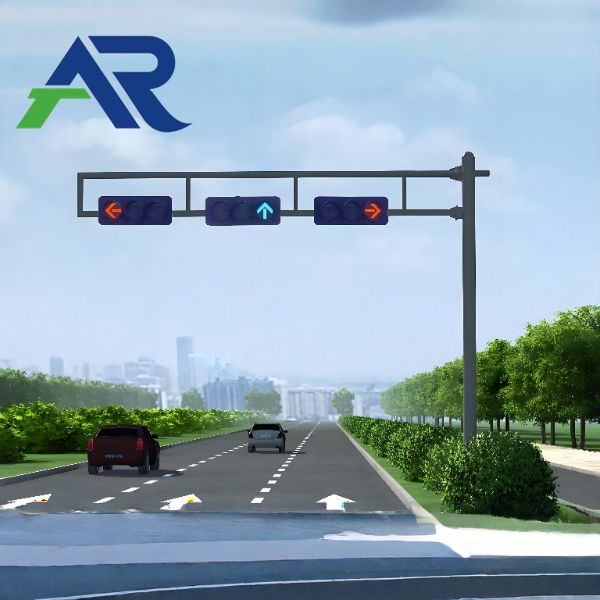
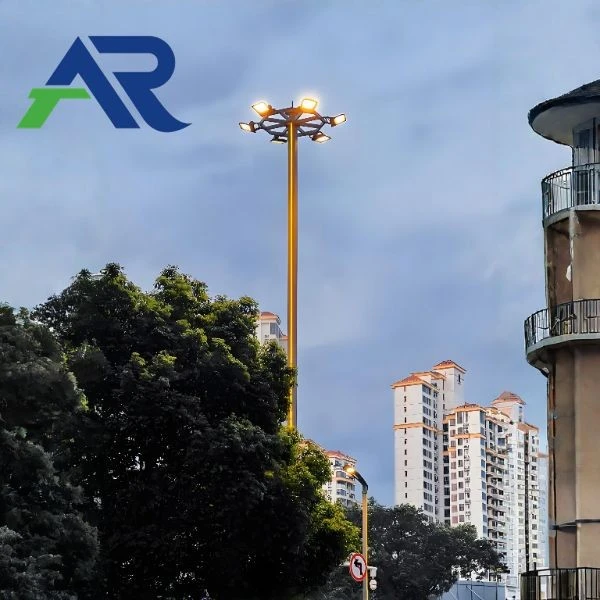
Before delving into the potential uses of smart light poles in stadiums, it is essential to understand what they are and how they work. A smart light pole is an advanced lighting fixture that integrates multiple technologies and sensors to provide a range of functions beyond basic illumination. These poles are typically equipped with LED lights, which are energy-efficient and can be remotely controlled and dimmed according to the surrounding environment. In addition to lighting, smart light poles can also incorporate features such as environmental sensors, Wi-Fi access points, surveillance cameras, emergency call buttons, and traffic monitoring systems.
The integration of these technologies allows smart light poles to collect and transmit data in real-time, enabling city managers and facility operators to make informed decisions and optimize the use of resources. For example, environmental sensors can monitor air quality, temperature, and humidity, providing valuable insights into the environmental conditions of a particular area. Wi-Fi access points can enhance connectivity and provide internet access to users, while surveillance cameras can improve security and safety by monitoring public spaces.
Potential Applications of Smart Light Poles in Stadiums
Stadiums are large, complex facilities that require efficient management and operation to ensure the safety and comfort of spectators, athletes, and staff. Smart light poles can play a crucial role in enhancing the functionality and performance of stadiums in several ways.
1. Lighting Management
One of the primary functions of smart light poles in stadiums is to provide efficient and effective lighting. LED lights are highly energy-efficient and can be programmed to adjust the brightness and color temperature according to the specific requirements of different events. For example, during a football game, the lights can be set to a high brightness level to ensure optimal visibility for players and spectators. In contrast, during a concert or a theatrical performance, the lights can be dimmed and adjusted to create a more ambient and immersive atmosphere.
Smart light poles can also be integrated with the stadium's lighting control system, allowing operators to remotely monitor and control the lighting fixtures from a central location. This not only simplifies the management of the lighting system but also enables quick adjustments in response to changing conditions or emergency situations.
2. Security and Surveillance
Security is a top priority in stadiums, and smart light poles can provide an additional layer of protection through the integration of surveillance cameras. These cameras can be strategically placed around the stadium to monitor entrances, exits, seating areas, and other critical areas. The real-time video feeds can be accessed by security personnel, allowing them to detect and respond to potential security threats promptly.
In addition to surveillance cameras, smart light poles can also be equipped with emergency call buttons, which provide a direct link to the stadium's security control center. In the event of an emergency, spectators can use these buttons to quickly alert security personnel and request assistance.
3. Connectivity and Communication
In today's digital age, connectivity is essential for enhancing the fan experience in stadiums. Smart light poles can be equipped with Wi-Fi access points, providing high-speed internet access to spectators, athletes, and staff. This allows fans to stay connected with their friends and family, share their experiences on social media, and access real-time information about the event.
Smart light poles can also be used to support other communication technologies, such as public address systems and emergency notification systems. These systems can be integrated with the stadium's control center, allowing operators to quickly disseminate important information to the audience in the event of an emergency or a change in the event schedule.
4. Environmental Monitoring
Stadiums have a significant impact on the environment, and smart light poles can help reduce this impact by monitoring and managing environmental factors. Environmental sensors can be installed on the smart light poles to measure air quality, temperature, humidity, and noise levels. This data can be used to optimize the stadium's ventilation and cooling systems, reduce energy consumption, and improve the overall comfort of the spectators.
In addition to environmental monitoring, smart light poles can also be used to promote sustainable practices in stadiums. For example, the poles can be equipped with solar panels to generate renewable energy, reducing the stadium's reliance on traditional energy sources.
5. Traffic Management
Stadiums often attract large crowds of people, which can lead to traffic congestion and parking challenges. Smart light poles can be used to improve traffic management in and around the stadium by integrating traffic monitoring systems and smart parking solutions.
Traffic monitoring sensors can be installed on the smart light poles to collect data on traffic flow, vehicle speed, and occupancy. This data can be used to optimize traffic signal timings, identify congestion hotspots, and provide real-time traffic information to drivers. Smart parking solutions, such as parking sensors and mobile apps, can also be integrated with the smart light poles to help drivers find available parking spaces quickly and easily.
Benefits of Using Smart Light Poles in Stadiums
The use of smart light poles in stadiums offers several benefits for stadium operators, spectators, and the environment.
1. Improved Efficiency and Cost Savings
Smart light poles can help stadium operators reduce energy consumption and maintenance costs by using energy-efficient LED lights and remote monitoring and control systems. The ability to adjust the lighting levels according to the specific requirements of different events and the surrounding environment can also help optimize energy usage and reduce waste.
In addition to energy savings, smart light poles can also reduce maintenance costs by providing real-time data on the status of the lighting fixtures and other equipment. This allows operators to identify and address potential issues before they become major problems, reducing downtime and repair costs.
2. Enhanced Safety and Security
The integration of surveillance cameras, emergency call buttons, and other security features in smart light poles can significantly enhance the safety and security of stadiums. The real-time video feeds and emergency response capabilities can help security personnel detect and respond to potential threats promptly, ensuring the safety of spectators, athletes, and staff.
3. Improved Fan Experience
Smart light poles can enhance the fan experience in stadiums by providing high-speed internet access, real-time information about the event, and a more comfortable and immersive environment. The ability to stay connected with friends and family, share experiences on social media, and access interactive content can make the event more enjoyable and memorable for fans.
4. Environmental Sustainability
The use of smart light poles in stadiums can contribute to environmental sustainability by reducing energy consumption, promoting renewable energy sources, and monitoring and managing environmental factors. The integration of solar panels and other renewable energy technologies can help stadiums reduce their carbon footprint and become more environmentally friendly.
Challenges and Considerations
While the use of smart light poles in stadiums offers significant benefits, there are also several challenges and considerations that need to be addressed.
1. Initial Investment
The installation of smart light poles in stadiums requires a significant initial investment, including the cost of the poles, the sensors, the communication infrastructure, and the software. Stadium operators need to carefully evaluate the costs and benefits of implementing smart light poles and ensure that the investment is justified by the expected returns.
2. Technical Complexity
Smart light poles are complex systems that require specialized knowledge and expertise to install, configure, and maintain. Stadium operators need to ensure that they have the necessary technical resources and support to manage the smart light poles effectively.
3. Data Security and Privacy
The integration of sensors and communication technologies in smart light poles generates a large amount of data, which needs to be protected from unauthorized access and misuse. Stadium operators need to implement robust data security and privacy measures to ensure that the data collected by the smart light poles is secure and compliant with relevant regulations.
4. Compatibility and Integration
Smart light poles need to be compatible with the existing infrastructure and systems in the stadium, such as the lighting control system, the security system, and the communication network. Stadium operators need to ensure that the smart light poles can be integrated seamlessly with these systems to avoid compatibility issues and ensure optimal performance.
Conclusion
In conclusion, smart light poles have the potential to revolutionize the way we manage and utilize stadiums. The integration of multiple technologies and sensors in smart light poles can provide a range of functions beyond basic illumination, including lighting management, security and surveillance, connectivity and communication, environmental monitoring, and traffic management. The use of smart light poles in stadiums offers several benefits, including improved efficiency and cost savings, enhanced safety and security, improved fan experience, and environmental sustainability.
However, the implementation of smart light poles in stadiums also faces several challenges and considerations, including the initial investment, technical complexity, data security and privacy, and compatibility and integration. Stadium operators need to carefully evaluate the costs and benefits of implementing smart light poles and ensure that they have the necessary technical resources and support to manage the systems effectively.
As a leading Smart Light Pole supplier, we are committed to providing innovative and reliable solutions for stadiums and other urban infrastructure projects. Our smart light poles are designed to meet the specific requirements of stadiums and can be customized to integrate with existing systems and infrastructure. If you are interested in learning more about our smart light poles or exploring the potential of using them in your stadium, please contact us to discuss your needs and explore the possibilities.
References
- Smart City Technology: Transforming Urban Life. (n.d.). Retrieved from [Website URL]
- LED Lighting in Stadiums: Benefits and Applications. (n.d.). Retrieved from [Website URL]
- The Role of Smart Infrastructure in Enhancing Stadium Operations. (n.d.). Retrieved from [Website URL]