

In an era where seamless communication is not just a convenience but a necessity for public safety, communication tower buildings play a pivotal role. As a leading supplier of communication tower buildings, I've witnessed firsthand how these structures enhance public safety communication in numerous ways. In this blog, I'll delve into the various aspects of how communication tower buildings contribute to a safer and more connected society.
1. Expanding Coverage Area
One of the primary functions of communication tower buildings is to extend the reach of communication signals. Public safety agencies such as police, fire departments, and emergency medical services rely on reliable communication to coordinate their efforts during emergencies. A well - placed communication tower can cover a large geographical area, ensuring that these agencies can stay in touch regardless of their location.
For example, in rural areas where population density is low and terrain can be challenging, communication towers act as beacons of connectivity. They can transmit signals over long distances, enabling first responders to communicate effectively even in remote locations. This extended coverage is crucial for timely response to emergencies, whether it's a wildfire in a forest or a medical emergency on a farm.
Moreover, communication tower buildings can be designed to cover specific areas prone to natural disasters. Coastal regions, for instance, are often at risk of hurricanes and tsunamis. By strategically placing communication towers along the coast, emergency management teams can keep residents informed about evacuation orders and safety instructions. These towers can also support the communication needs of search - and - rescue teams during and after the disaster.
2. Strengthening Signal Quality
In addition to expanding coverage, communication tower buildings are essential for improving signal quality. High - rise buildings, mountains, and other obstacles can interfere with radio waves, causing signal degradation. Communication towers are typically built at elevated positions, which helps to overcome these obstacles and ensure a strong and stable signal.
For public safety communication, signal quality is of utmost importance. During a crisis, a weak or interrupted signal can lead to miscommunication, delays in response, and potentially endanger lives. Police officers need to be able to communicate clearly with their dispatchers and fellow officers on the scene. Firefighters rely on accurate communication to coordinate their efforts and ensure the safety of both themselves and the public.
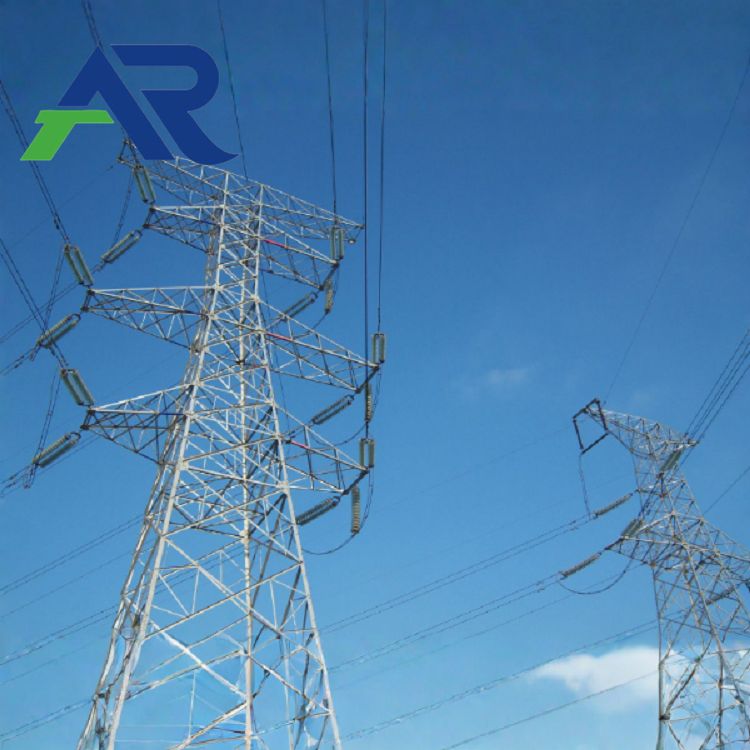
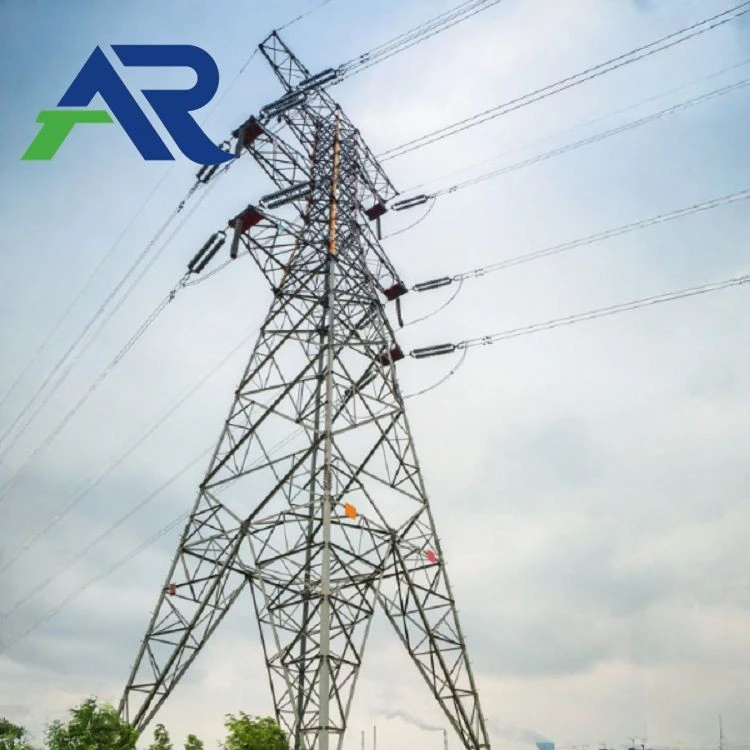
Our company offers Electrical Tower For Electricity Transmission and Electric Power Tower that are engineered to optimize signal strength. These towers are equipped with advanced antenna systems and signal boosters that can amplify and direct signals precisely where they are needed. By using high - quality materials and state - of - the - art technology, we ensure that our towers can withstand harsh weather conditions and provide reliable communication services.
3. Supporting Multiple Communication Technologies
Modern communication tower buildings are designed to support a wide range of communication technologies. This is crucial for public safety, as different agencies may use different communication systems. For example, police departments may use dedicated radio frequencies for their patrol cars, while emergency medical services may rely on cellular networks to transmit patient data.
Communication towers can accommodate multiple types of antennas, allowing them to support various communication technologies simultaneously. This includes traditional radio frequencies, cellular networks (such as 4G and 5G), and even emerging technologies like satellite communication. By providing a single platform for multiple communication systems, communication tower buildings simplify the communication infrastructure for public safety agencies.
During a large - scale emergency, such as a major earthquake or a terrorist attack, different agencies need to work together seamlessly. The ability of communication towers to support multiple technologies enables interoperability between these agencies. For instance, police, fire, and medical teams can communicate with each other using a common communication platform, regardless of the specific systems they use.
4. Ensuring Redundancy and Resilience
Redundancy is a key principle in public safety communication. In the event of a power outage, equipment failure, or natural disaster, communication systems need to remain operational. Communication tower buildings are designed with redundancy in mind, ensuring that there are backup systems in place to maintain communication.
Our Iron Towers are built with multiple power sources, including backup generators and battery systems. This ensures that the towers can continue to function even during a power outage. Additionally, we use redundant antenna systems and signal paths to prevent single - point - of - failure scenarios. If one antenna or signal path fails, the tower can automatically switch to an alternative system, minimizing disruption to communication.
Resilience is also enhanced through the use of durable materials and robust construction techniques. Our communication towers are designed to withstand extreme weather conditions, such as high winds, heavy snow, and earthquakes. This ensures that they can continue to provide communication services even in the most challenging environments.
5. Facilitating Data Transmission
In addition to voice communication, public safety agencies rely on data transmission for various purposes. For example, traffic management centers need to transmit real - time traffic data to police and emergency responders. Medical teams may need to transmit patient data, such as vital signs and medical histories, to hospitals.
Communication tower buildings support high - speed data transmission, enabling public safety agencies to access and share critical information quickly. With the advent of 5G technology, the data transmission capabilities of communication towers have been significantly enhanced. 5G networks offer faster speeds, lower latency, and greater capacity, allowing for the seamless transmission of large amounts of data.
This high - speed data transmission is particularly important during emergencies. For example, during a wildfire, firefighters can use drones equipped with cameras to gather real - time data about the fire's spread. This data can be transmitted to the incident command center via communication towers, allowing for more informed decision - making and better coordination of firefighting efforts.
6. Enabling Remote Monitoring and Maintenance
Communication tower buildings can be equipped with remote monitoring systems, which allow for real - time monitoring of the tower's performance. This includes monitoring of power levels, signal strength, and equipment status. Remote monitoring enables proactive maintenance, as any issues can be detected and addressed before they cause a disruption to communication.
As a supplier, we offer comprehensive remote monitoring services for our communication tower buildings. Our team of experts can monitor the towers 24/7 and respond quickly to any issues. This ensures that the towers are always in optimal condition and provides reliable communication services.
Remote maintenance also reduces the need for on - site visits, which can be time - consuming and costly. By using remote access technology, our technicians can perform software updates, troubleshoot problems, and make adjustments to the tower's settings without having to physically visit the site.
Conclusion
In conclusion, communication tower buildings are essential for enhancing public safety communication. They expand coverage areas, strengthen signal quality, support multiple communication technologies, ensure redundancy and resilience, facilitate data transmission, and enable remote monitoring and maintenance. As a supplier of communication tower buildings, we are committed to providing high - quality products and services that meet the evolving needs of public safety agencies.
If you are interested in learning more about our communication tower buildings or have specific requirements for your public safety communication needs, we invite you to contact us for a detailed discussion. Our team of experts is ready to assist you in finding the best solutions for your organization.
References
- Federal Emergency Management Agency (FEMA). (2023). National Incident Management System (NIMS).
- International Telecommunication Union (ITU). (2023). Report on Communication Technologies for Public Safety.
- National Fire Protection Association (NFPA). (2023). Standards for Fire and Emergency Services Communication.