

Hey there! As a supplier of landscape chimneys, I've been getting a lot of questions lately about how these bad boys stack up against other types of ventilation structures. So, I thought I'd take a deep dive into this topic and share my insights with you all.
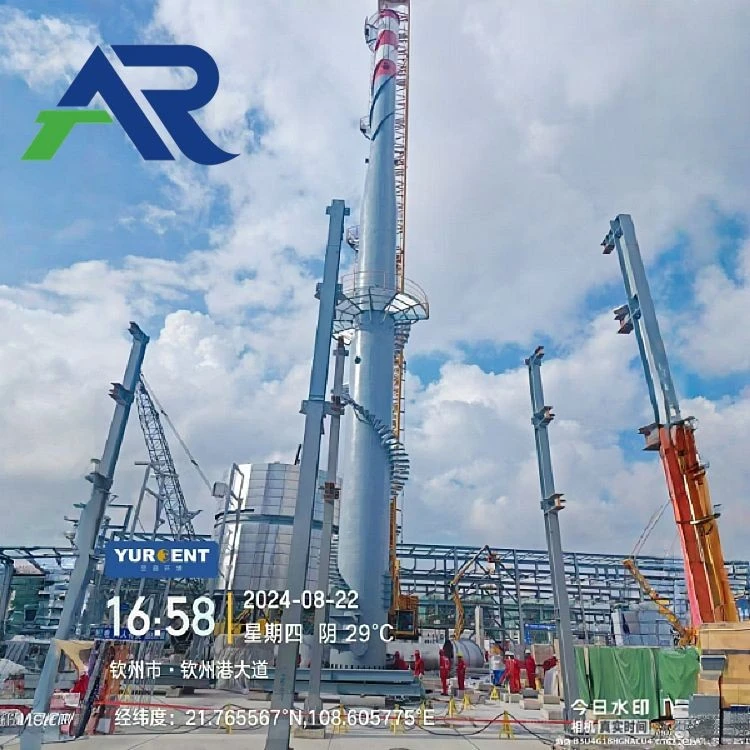
First off, let's talk about what landscape chimneys are. These are not your typical industrial chimneys that you see towering over factories. Landscape chimneys are designed to blend in with the surrounding environment while still providing effective ventilation. They come in various shapes, sizes, and materials, and can be customized to fit the specific needs of a project.
Now, let's compare landscape chimneys to other common ventilation structures.
1. Traditional Industrial Chimneys
Traditional industrial chimneys are usually tall, massive structures made of concrete or steel. They're built to handle high volumes of exhaust gases from industrial processes. One of the main advantages of these chimneys is their high capacity. They can easily disperse large amounts of pollutants into the atmosphere.
However, they have some major drawbacks. For starters, they're not exactly aesthetically pleasing. They stick out like a sore thumb in most landscapes, especially in residential or commercial areas. Also, they're expensive to build and maintain. The construction of a large - scale industrial chimney requires a significant amount of resources and specialized labor.
In contrast, landscape chimneys are much more visually appealing. They can be designed to look like natural features, such as rocks or trees, or they can be incorporated into the architecture of a building. This makes them a great choice for projects where aesthetics matter. And while they may not have the same high - volume capacity as industrial chimneys, they're still effective for smaller - scale ventilation needs, like in residential homes or small commercial buildings.
2. Factory Built Chimney
Factory built chimneys are pre - fabricated structures that are assembled on - site. They're a popular choice for many homeowners and small businesses because they're relatively inexpensive and easy to install. These chimneys are typically made of metal or other lightweight materials, which makes them more affordable than traditional industrial chimneys.
But factory built chimneys also have their limitations. They may not be as durable as some other types of chimneys, especially in harsh weather conditions. Also, their design options are somewhat limited. They usually come in standard sizes and shapes, which may not fit the unique requirements of a particular project.
Landscape chimneys, on the other hand, offer more flexibility in terms of design. We can work with you to create a chimney that not only meets your ventilation needs but also matches the style of your property. And because they're often made of high - quality materials, they can be just as durable as factory built chimneys, if not more so.
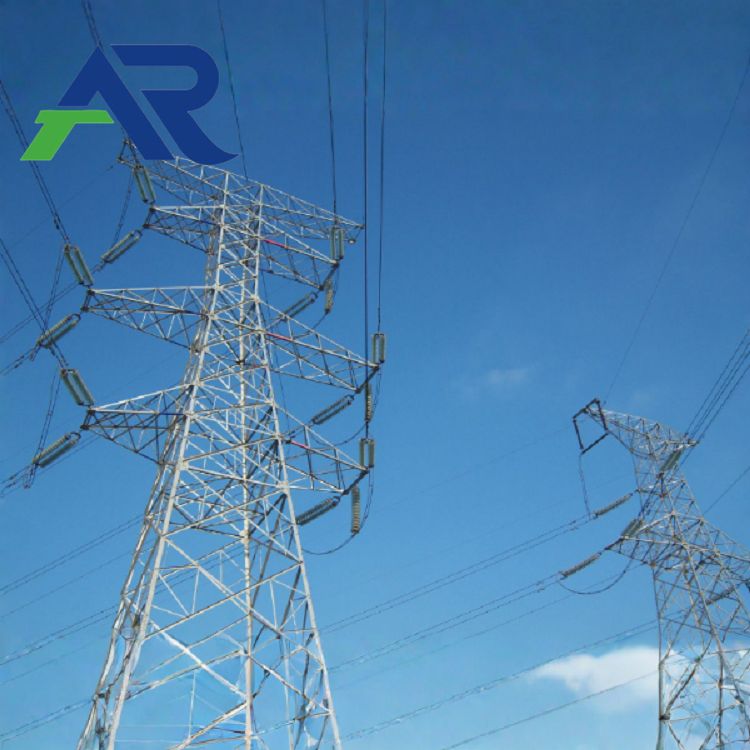
3. Transmission Line Tower
Transmission line towers are mainly used for supporting electrical power lines. While they're not strictly ventilation structures, they are tall structures that are often compared to chimneys in terms of their visual impact. These towers are usually made of steel and are very tall and imposing.
The main purpose of transmission line towers is to keep the power lines at a safe height above the ground. They're designed for strength and stability, but they don't have any ventilation function. In terms of aesthetics, they're similar to traditional industrial chimneys in that they can be an eyesore in many landscapes.
Landscape chimneys, as mentioned earlier, are designed with aesthetics in mind. They can be a beautiful addition to a property, rather than an intrusive structure. And of course, they serve the important function of ventilation, which transmission line towers don't.
4. Steel And Iron Towers
Steel and iron towers are used in a variety of applications, such as telecommunications and observation. Like transmission line towers, they're built for strength and stability. These towers are often very tall and can be quite expensive to construct.
In terms of ventilation, they have no role at all. And from an aesthetic perspective, they can be a challenge to integrate into a landscape. Landscape chimneys, with their customizable designs, can be a much better option for projects where both ventilation and aesthetics are important.
Advantages of Landscape Chimneys
- Aesthetics: As I've mentioned several times, landscape chimneys can be designed to blend in with the surrounding environment. This is a huge advantage, especially in areas where visual appeal is a priority.
- Customization: We can customize landscape chimneys to fit the specific needs of a project. Whether you need a chimney for a small cottage or a large commercial building, we can create a solution that works for you.
- Cost - effectiveness: While the initial cost of a landscape chimney may vary depending on the design and materials, in many cases, they can be more cost - effective than other types of ventilation structures, especially when you consider the long - term maintenance and aesthetic benefits.
- Environmental Friendliness: Landscape chimneys can be designed to be more energy - efficient and environmentally friendly. For example, we can use materials that have a low carbon footprint and incorporate features that reduce energy consumption.
Conclusion
So, there you have it! Landscape chimneys offer a unique combination of aesthetics, functionality, and customization that other types of ventilation structures often lack. Whether you're a homeowner looking to add a touch of style to your property or a business owner in need of an effective ventilation solution, landscape chimneys are definitely worth considering.
If you're interested in learning more about our landscape chimneys or have a project in mind, don't hesitate to reach out. We'd love to have a chat with you and see how we can help you with your ventilation needs.
References
- "Ventilation Systems: Principles and Practices" - A comprehensive guide on different types of ventilation structures.
- "Architectural Design with Landscape Elements" - A book that explores the integration of landscape features into building design.