

Can a lighting pole be used in a coastal area? That's a question I've been asked a bunch of times as a lighting pole supplier. And let me tell you, it's not as straightforward as you might think.
First off, let's talk about the challenges that coastal areas throw our way. Coastal regions are known for their harsh environmental conditions. The most obvious one is the high salt content in the air. Salt is like a silent enemy for metal structures, including lighting poles. It can cause corrosion, which weakens the pole over time. If a lighting pole isn't properly protected, the salt in the air can eat away at the metal, leading to rust and structural damage. This not only affects the appearance of the pole but also its safety and longevity.
Another issue is the strong winds that are common in coastal areas. These winds can be pretty fierce, especially during storms and hurricanes. A lighting pole needs to be sturdy enough to withstand these high - speed winds. If it's not, it could easily topple over, posing a danger to people and property.
So, can lighting poles be used in coastal areas? The answer is yes, but with some important considerations.
When it comes to materials, not all lighting poles are created equal. Traditional steel poles are a popular choice, but in a coastal environment, they need to have a good protective coating. Galvanization is a common method. It involves coating the steel with a layer of zinc, which acts as a barrier between the steel and the corrosive salt air. This can significantly extend the lifespan of the pole. However, even galvanized poles need regular inspections to make sure the coating is intact.
Aluminum poles are also an option. Aluminum has a natural oxide layer that provides some protection against corrosion. It's lighter than steel, which can be an advantage in areas with high winds. But it may not be as strong as steel in some cases, so the design needs to be carefully considered.
Now, let's take a look at the different types of lighting poles we offer. We have the Municipal Light Pole. These poles are designed for public areas, including coastal municipalities. They are built to be durable and can be customized with the right protective coatings for coastal use. Whether it's lining a beachside road or illuminating a coastal park, these poles can do the job.
Our Smart Light Pole is another great option. In addition to providing lighting, these poles come with advanced features like sensors and communication capabilities. In a coastal area, they can be used to monitor environmental conditions such as wind speed and salt levels. This data can be used to better maintain the poles and ensure the safety of the surrounding area.
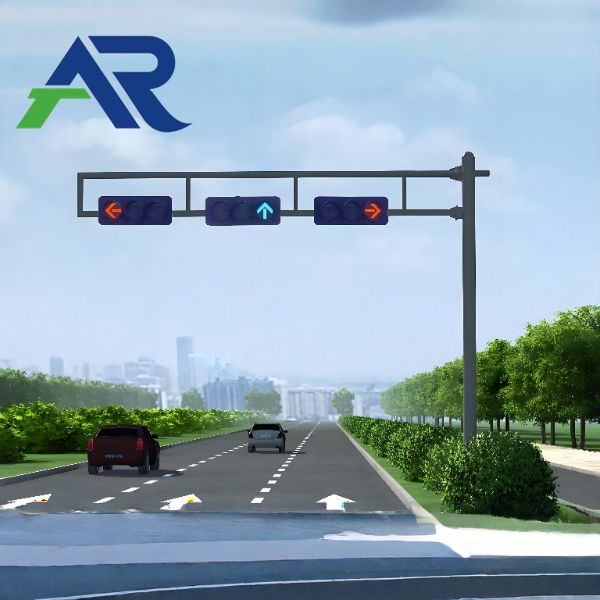
If you're looking for poles for traffic control in coastal areas, our Traffic Signal Pole Types are a good choice. These poles need to be extra sturdy to support the traffic signals and withstand the coastal elements. They are designed with the latest engineering standards to ensure reliability.
Installation is also a crucial factor. In a coastal area, the ground conditions can be different. The soil may be sandy or have a high water table. This means that the foundation of the lighting pole needs to be carefully designed. A proper foundation will ensure that the pole remains stable, even in high winds.

Maintenance is an ongoing process. Regular inspections are necessary to check for signs of corrosion, damage from the elements, or any loose parts. In a coastal area, it's recommended to have more frequent inspections compared to inland areas. This can help catch any problems early and prevent costly repairs or replacements.
We also offer some additional features that can enhance the performance of our lighting poles in coastal areas. For example, we can install lightning protection systems. Coastal areas are more prone to lightning strikes, and a good lightning protection system can safeguard the pole and the surrounding infrastructure.
In terms of lighting fixtures, it's important to choose ones that are also suitable for the coastal environment. They should be weather - resistant and have a good seal to prevent saltwater and moisture from getting inside.
So, if you're in a coastal area and in need of lighting poles, don't worry. We've got you covered. Our team of experts can help you choose the right type of pole, ensure proper installation, and provide maintenance advice. Whether you're a municipality looking to light up a beachfront, a developer building a coastal resort, or a traffic management authority in need of signal poles, we have the solutions.
If you're interested in our lighting poles and want to discuss your specific needs, feel free to reach out. We're always happy to have a chat and help you find the best lighting pole solution for your coastal project.
References
- Coastal Engineering Manual, U.S. Army Corps of Engineers
- Handbook of Corrosion Engineering, ASM International
- Lighting Design Handbook, Illuminating Engineering Society