

Tower chimneys are not just towering structures that stand in industrial areas; they play a significant role in interacting with the weather. As a tower chimney supplier, I've witnessed firsthand how these structures influence and are influenced by various weather conditions. In this blog, we'll delve into the complex relationship between tower chimneys and the weather.
Heat and Buoyancy Effects
One of the primary ways tower chimneys interact with the weather is through the release of heat. Industrial processes often generate a large amount of heat, which is then expelled through the chimney. This hot air rises due to its lower density compared to the surrounding cooler air, creating a buoyant plume. The rising plume can have several effects on the local weather.
The upward movement of the hot air can cause vertical mixing in the atmosphere. This mixing can disrupt the normal temperature and humidity profiles in the area. For instance, in a stable atmosphere where the temperature decreases gradually with height, the hot plume from the chimney can introduce a layer of warmer air at a higher altitude. This can lead to the formation of clouds if the rising air cools to its dew point.
The buoyancy of the plume also affects the dispersion of pollutants. A strong buoyant plume can carry pollutants higher into the atmosphere, allowing them to disperse over a larger area. This can reduce the concentration of pollutants at ground - level, which is beneficial for air quality in the immediate vicinity of the chimney. However, it can also transport pollutants over longer distances, potentially affecting areas far from the source.
Wind and Plume Behavior
Wind is another crucial factor in the interaction between tower chimneys and the weather. The direction and speed of the wind can significantly alter the shape and behavior of the chimney plume.
When the wind is light, the plume tends to rise vertically and spread out in a more symmetrical pattern. In this situation, the plume may stay relatively close to the chimney, and pollutants may accumulate in the area. On the other hand, when the wind is strong, the plume is bent over in the direction of the wind. This is known as the "fanning" effect. The fanned - out plume can cover a larger horizontal area, which can be both good and bad. It can disperse pollutants more widely, but it can also expose a larger area to the pollutants.
The height of the chimney also plays a role in wind - plume interaction. Taller chimneys can project the plume above the surface layer where the wind is often more turbulent. This allows the plume to be carried by the more consistent winds at higher altitudes, reducing the likelihood of pollutants being deposited near the chimney.
Precipitation and Chimney Deposition
Precipitation can interact with tower chimneys in several ways. Rain and snow can wash pollutants out of the chimney plume as it rises through the atmosphere. This process, known as wet deposition, can reduce the amount of pollutants that are carried further by the wind. However, it can also lead to the deposition of pollutants on the ground in the form of acid rain or snow.
Acid rain is a significant environmental concern associated with chimney emissions. Sulfur dioxide and nitrogen oxides, which are commonly emitted from industrial chimneys, can react with water vapor in the atmosphere to form sulfuric and nitric acids. When these acids are incorporated into precipitation, they can fall to the ground and damage vegetation, soil, and water bodies.
On the other hand, in dry conditions, pollutants can accumulate on the chimney surface. Over time, this can lead to corrosion of the chimney materials. For example, if a chimney is made of metal, the accumulation of acidic pollutants can cause rusting, which can weaken the structure and reduce its lifespan.
Types of Tower Chimneys and Their Weather Resistance
As a tower chimney supplier, we offer a variety of chimney types, each with different characteristics in terms of weather resistance.
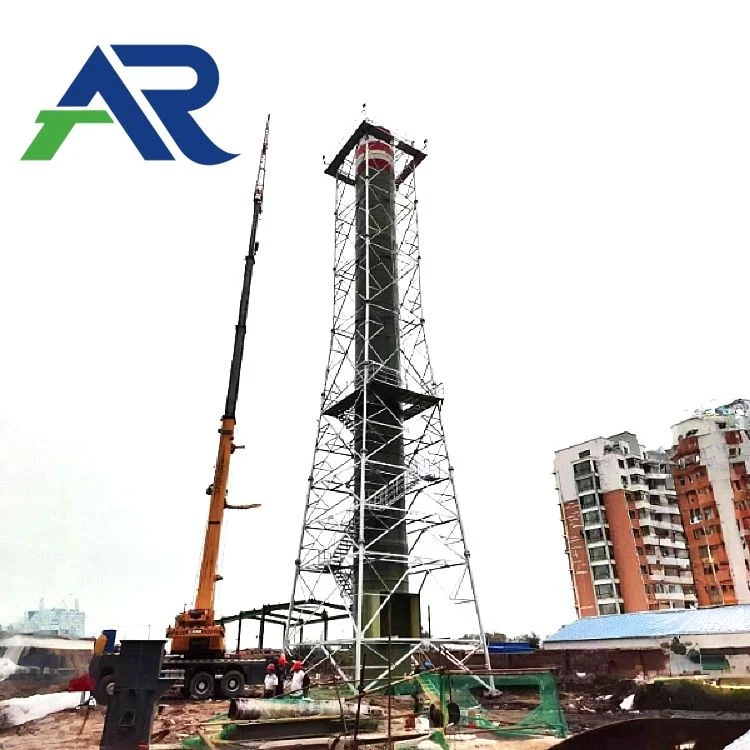
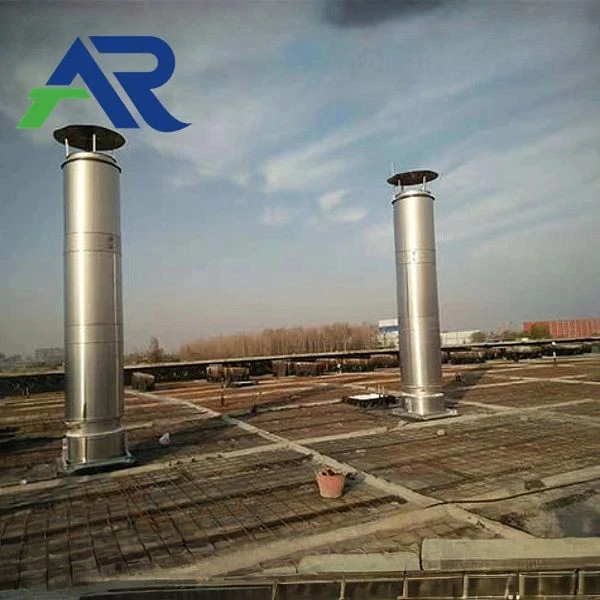
The Titanium Steel Composite Plate Tower Chimney is a popular choice. Titanium steel composite plates combine the strength of steel with the corrosion - resistance of titanium. This makes the chimney highly resistant to the corrosive effects of pollutants and weather conditions. It can withstand exposure to acid rain, high humidity, and extreme temperatures, ensuring a long service life even in harsh environments.
The Fiberglass Tower Chimney is another option. Fiberglass is lightweight, durable, and has excellent resistance to corrosion. It is also relatively easy to install and maintain. Fiberglass chimneys are well - suited for areas with high humidity and mild weather conditions. They can effectively resist the growth of mold and mildew, which can be a problem in damp environments.
Seasonal Variations
Seasonal changes also have a significant impact on the interaction between tower chimneys and the weather. In the winter, the temperature difference between the hot chimney plume and the cold outside air is greater. This increases the buoyancy of the plume, causing it to rise more rapidly. However, the lower wind speeds and more stable atmospheric conditions in winter can also lead to the accumulation of pollutants near the ground.
In the summer, the warmer ambient temperatures reduce the buoyancy of the plume. The higher wind speeds and more unstable atmospheric conditions can help disperse pollutants more effectively. However, the increased sunlight can also lead to the formation of photochemical smog when pollutants such as nitrogen oxides and volatile organic compounds react in the presence of sunlight.
Impact on Local Climate
In addition to short - term weather effects, tower chimneys can also have an impact on the local climate. The release of large amounts of heat and pollutants over an extended period can alter the temperature, humidity, and precipitation patterns in the area.
The heat released from chimneys can contribute to the urban heat island effect. In industrial areas with multiple chimneys, the cumulative heat output can raise the local temperature, especially at night. This can disrupt the natural ecosystem, affect plant and animal life, and increase the energy demand for cooling in the area.
Conclusion
The interaction between tower chimneys and the weather is a complex and multi - faceted phenomenon. As a tower chimney supplier, we understand the importance of designing and supplying chimneys that can effectively manage these interactions. Our Titanium Steel Composite Plate Tower Chimney and Fiberglass Tower Chimney are designed to withstand various weather conditions and minimize the environmental impact of chimney emissions.
If you are in need of a tower chimney for your industrial facility, we invite you to contact us for a detailed discussion. Our team of experts can help you choose the right chimney type based on your specific requirements and the local weather conditions. We are committed to providing high - quality products and excellent service to ensure that your chimney operates efficiently and safely.
References
- Seinfeld, J. H., & Pandis, S. N. (1998). Atmospheric Chemistry and Physics: From Air Pollution to Climate Change. Wiley.
- Stull, R. B. (1988). An Introduction to Boundary Layer Meteorology. Kluwer Academic Publishers.
- Turner, D. B. (1969). Workbook of Atmospheric Dispersion Estimates. U.S. Environmental Protection Agency.