

A gas fireplace is a popular choice for homeowners seeking an efficient and convenient way to heat their living spaces. It offers the warmth and ambiance of a traditional fireplace without the hassle of chopping wood or dealing with ashes. One crucial aspect of installing a gas fireplace is selecting the appropriate chimney system. In this blog post, we'll explore whether a double - layer insulation chimney can be used with a gas fireplace, and as a Double - layer Insulation Chimney supplier, I'll provide you with all the necessary information.
Understanding Gas Fireplaces and Their Exhaust Requirements
Gas fireplaces operate by burning natural gas or propane to produce heat. The combustion process generates exhaust gases, primarily carbon dioxide and water vapor, along with small amounts of other by - products. These exhaust gases need to be safely vented out of the home to prevent the accumulation of harmful substances indoors.
The venting system for a gas fireplace must meet specific safety and performance standards. It should be able to efficiently carry the exhaust gases away from the fireplace and out of the building while preventing the backflow of air or gases into the living space. Different types of gas fireplaces may have different venting requirements, depending on factors such as the type of fuel, the burner design, and the installation location.
What is a Double - layer Insulation Chimney?
A Double - layer Insulation Chimney consists of two concentric pipes separated by an insulating layer. The inner pipe is typically made of a high - temperature - resistant material, such as stainless steel, which comes into direct contact with the hot exhaust gases. The outer pipe provides additional protection and insulation, helping to maintain a stable temperature gradient and reducing heat loss to the surrounding environment.
The insulating layer between the two pipes serves several important functions. It helps to keep the outer surface of the chimney cool, reducing the risk of fire hazards in case the chimney passes through combustible materials, such as walls or ceilings. Additionally, it improves the efficiency of the chimney by minimizing heat transfer to the surrounding air, allowing the exhaust gases to rise more effectively.
Compatibility of Double - layer Insulation Chimneys with Gas Fireplaces
In general, double - layer insulation chimneys can be used with gas fireplaces, and in many cases, they are an excellent choice. Here are some reasons why:
1. Safety
Safety is of utmost importance when it comes to gas fireplace installations. A double - layer insulation chimney helps to ensure a safe operating environment. The insulation layer reduces the temperature of the outer pipe, preventing it from overheating and potentially igniting nearby combustible materials. This is especially important if the chimney is installed in close proximity to walls, ceilings, or other building components.
2. Efficiency
Gas fireplaces rely on proper draft to function efficiently. The insulation in a double - layer chimney helps to maintain a consistent temperature within the chimney, which promotes better draft. A good draft ensures that the exhaust gases are quickly and effectively carried out of the fireplace and the building, reducing the likelihood of backdrafts and improving the overall efficiency of the heating system.
3. Durability
The inner stainless - steel pipe of a double - layer insulation chimney is highly resistant to corrosion and high temperatures. This makes it well - suited for handling the hot exhaust gases produced by a gas fireplace over an extended period. The outer pipe provides additional protection, further enhancing the durability of the chimney system.
Factors to Consider When Using a Double - layer Insulation Chimney with a Gas Fireplace
While double - layer insulation chimneys are generally compatible with gas fireplaces, there are several factors that need to be considered to ensure a proper and safe installation:
1. Chimney Size
The size of the chimney must be appropriate for the gas fireplace. An undersized chimney may not be able to handle the volume of exhaust gases produced by the fireplace, leading to poor draft and potential safety issues. On the other hand, an oversized chimney may result in a weak draft and inefficient operation. It's important to consult the manufacturer's specifications for both the gas fireplace and the chimney to determine the correct size.
2. Installation Requirements
Proper installation is crucial for the safe and effective operation of a double - layer insulation chimney with a gas fireplace. The chimney must be installed in accordance with local building codes and the manufacturer's instructions. This includes ensuring proper support, sealing, and clearance from combustible materials. It's recommended to hire a professional installer who has experience with gas fireplace and chimney installations.
3. Venting Configuration
The venting configuration of the gas fireplace and the chimney must be compatible. Gas fireplaces can be vented vertically through the roof or horizontally through an exterior wall. The double - layer insulation chimney must be designed to accommodate the specific venting configuration of the fireplace. Some chimneys may require additional components, such as elbows or termination caps, to ensure proper venting.
Comparing Double - layer Insulation Chimneys with Other Chimney Types
When considering a chimney for a gas fireplace, it's also important to compare double - layer insulation chimneys with other types of chimneys, such as Corrugated Pipe Chimney and Chimney For Factory.
Corrugated Pipe Chimney
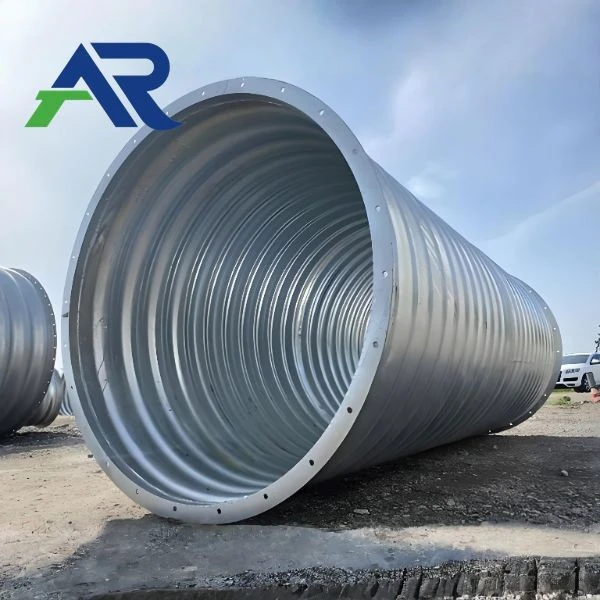
Corrugated pipe chimneys are often more flexible and easier to install than double - layer insulation chimneys. They are typically made of a single layer of corrugated metal and may be less expensive. However, they may not provide the same level of insulation and safety as double - layer insulation chimneys. The corrugations in the pipe can also collect debris, which may affect the draft and performance of the chimney.
Chimney For Factory
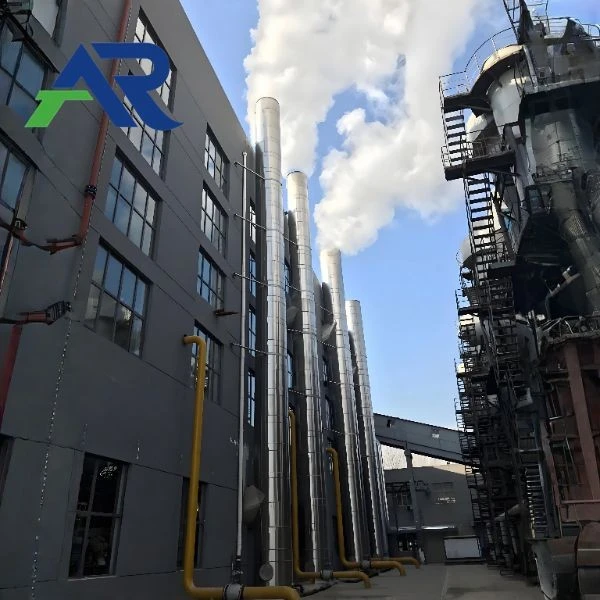
Chimneys for factories are designed to handle large volumes of exhaust gases from industrial processes. They are usually much larger and more robust than chimneys for residential gas fireplaces. While they may offer high - temperature resistance and durability, they may not be suitable for residential applications due to their size, cost, and installation requirements.
Conclusion
In conclusion, a double - layer insulation chimney can be a great choice for use with a gas fireplace. It offers safety, efficiency, and durability, making it a reliable option for venting the exhaust gases produced by the fireplace. However, it's important to carefully consider factors such as chimney size, installation requirements, and venting configuration to ensure a proper and safe installation.
If you're in the market for a double - layer insulation chimney for your gas fireplace, I encourage you to reach out to discuss your specific needs. As a supplier of high - quality double - layer insulation chimneys, I can provide you with the right product and offer professional advice to ensure a successful installation. Contact me to start the procurement process and let's work together to create a warm and safe environment for your home.
References
- National Fire Protection Association (NFPA). NFPA 54: National Fuel Gas Code.
- International Residential Code (IRC). Residential building code standards.
- Gas appliance manufacturers' installation manuals.