

Hey there! As a supplier of Municipal Light Pole, I often get asked about the regulations regarding the color temperature of these light poles. So, I thought I'd dive into this topic and share what I've learned over the years.
First off, let's talk about what color temperature actually means. Color temperature is measured in Kelvin (K) and it describes the color appearance of the light. Lower color temperatures, around 2700K - 3000K, produce a warm, yellowish light similar to traditional incandescent bulbs. Higher color temperatures, like 5000K - 6500K, give off a cool, bluish - white light, similar to daylight.
Now, are there regulations for the color temperature of municipal light poles? The answer is yes, and it varies from place to place. In many urban areas, there are strict regulations in place to control the color temperature of outdoor lighting. One of the main reasons for these regulations is to reduce light pollution.
Light pollution is a big deal. It not only affects our ability to see the stars at night but also has negative impacts on wildlife. Many nocturnal animals rely on the natural cycle of light and dark for activities such as hunting, mating, and migration. Cool - colored lights with high color temperatures can disrupt these natural behaviors. For example, sea turtles are attracted to bright, white lights on the shore when they hatch, which can lead them away from the ocean and towards dangerous areas.
So, municipalities often set a maximum color temperature for their light poles. In some cities, the limit is set at 3000K or lower. This ensures that the light emitted is warm and less likely to cause significant light pollution. By using light poles with a lower color temperature, we can create a more natural - looking night sky and protect the local ecosystem.
Another reason for color temperature regulations is related to human health. Exposure to bright, cool - colored lights at night can suppress the production of melatonin, a hormone that regulates our sleep - wake cycle. This can lead to sleep disorders and other health problems. By controlling the color temperature of municipal light poles, cities can help promote better sleep and overall well - being for their residents.
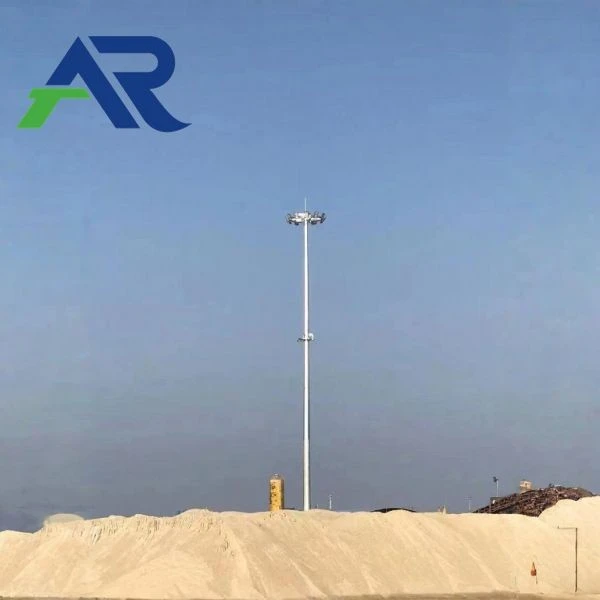
As a supplier, I have to stay on top of these regulations. When working with municipalities, I always make sure to provide light poles that meet their specific color temperature requirements. We offer a wide range of Municipal Light Pole options with different color temperatures to suit various needs. Whether it's a small neighborhood park or a busy city street, we can find the right light pole solution.
In addition to the environmental and health benefits, using light poles with the right color temperature can also enhance the aesthetic appeal of a city. Warm - colored lights can create a cozy and inviting atmosphere, especially in areas like downtown shopping districts or historical sites. They can make the streets look more charming and welcoming at night.
But it's not just about following the regulations. We also need to consider the functionality of the light poles. For example, in areas where high visibility is crucial, such as intersections or parking lots, we might need to use a slightly higher color temperature to ensure clear visibility. However, we still need to balance this with the need to minimize light pollution.
Now, let's talk about some of the other types of poles we offer. Alongside Municipal Light Pole, we also have Smart Light Pole options. These smart poles are equipped with advanced technologies such as sensors and Wi - Fi hotspots. They can be programmed to adjust the color temperature and brightness based on the time of day, weather conditions, or even the presence of people or vehicles.
For example, during the early evening when there are still some daylight hours left, the smart light pole can emit a lower - intensity, warmer light. As it gets darker, it can gradually increase the brightness and adjust the color temperature to provide better visibility. This not only saves energy but also ensures that the lighting is optimized for different situations.
We also offer Traffic Signal Pole Types. These poles are designed to withstand harsh weather conditions and provide reliable support for traffic signals. While color temperature might not be as critical for traffic signal poles as it is for municipal light poles, we still pay attention to the overall quality and functionality of these products.
If you're a municipality or a contractor looking for high - quality light poles, we'd love to hear from you. We have the expertise and experience to provide you with the right solutions that meet your specific requirements. Whether it's color temperature regulations, energy efficiency, or smart features, we can help you find the perfect light poles for your project.

Contact us today to start the conversation about your lighting needs. We're here to make sure that your city or project has the best - looking and most environmentally - friendly lighting possible.
References:
- "Light Pollution: Its Causes, Effects, and Solutions" - National Geographic
- "The Impact of Artificial Light on Wildlife" - The Royal Society for the Protection of Birds
- "The Effects of Light on Human Health" - Harvard Health Publishing