
Are there any legal requirements for building an iron tower?
As an iron tower supplier, I've encountered numerous inquiries from clients regarding the legal aspects of building iron towers. It's a topic of great significance, as non - compliance can lead to severe consequences, including project delays, fines, and even legal battles. In this blog, I'll delve into the various legal requirements associated with building iron towers.
Zoning and Land Use Regulations
One of the primary legal requirements for building an iron tower is compliance with zoning and land - use regulations. These regulations are put in place by local governments to ensure that land is used in a way that is consistent with the community's overall development plan.
Before starting any iron tower construction project, it's essential to determine the zoning designation of the land where the tower will be built. For example, some areas may be zoned for industrial use, while others are reserved for residential or agricultural purposes. Building an iron tower in a residential zone without proper authorization is likely to be prohibited.
Moreover, there may be specific setback requirements. Setbacks define the minimum distance that a structure, such as an iron tower, must be located from property lines, roads, or other buildings. These setbacks are designed to protect the safety and privacy of neighboring properties. For instance, if the setback requirement is 50 feet from a property line, the iron tower must be placed at least 50 feet away from that boundary.
You can learn more about different types of iron towers suitable for various land - use scenarios on our Iron Towers page.
Environmental Regulations
Environmental regulations play a crucial role in iron tower construction. Iron tower projects can have an impact on the environment, including effects on wildlife, water resources, and air quality.
Wildlife Protection
Many regions have laws in place to protect endangered or threatened species. Before constructing an iron tower, an environmental impact assessment may be required to determine if the project will affect any protected wildlife. For example, if the area is home to a particular bird species that nests in the vicinity, special measures may need to be taken to ensure that the construction does not disrupt their nesting habits. This could involve adjusting the construction schedule to avoid the breeding season or implementing mitigation measures such as providing alternative nesting sites.
Water Resources
Iron tower construction can also have an impact on water resources. Construction activities may generate sediment runoff, which can contaminate nearby rivers, lakes, or groundwater. To prevent this, construction sites are often required to implement erosion and sediment control measures. These may include installing silt fences, sediment basins, or revegetating disturbed areas. Additionally, in some cases, a permit may be required to discharge any wastewater generated during the construction process.
Air Quality
The construction of iron towers may involve activities such as welding, painting, and the operation of heavy machinery, which can emit pollutants into the air. To comply with air quality regulations, construction companies may need to use low - emission equipment, control dust emissions during excavation and demolition work, and follow specific guidelines for the use of paints and solvents.
For industrial - grade iron towers that are often subject to more stringent environmental scrutiny, visit our Industrial Iron Towers page.
Building Codes and Safety Standards
Building codes and safety standards are established to ensure the structural integrity and safety of iron towers. These codes cover a wide range of aspects, from the design and materials used to the construction and maintenance processes.
Design Requirements
Iron towers must be designed to withstand various environmental loads, such as wind, snow, and seismic forces. Designers are required to follow specific engineering standards and use appropriate design software to calculate the loads and stresses on the tower. For example, in areas prone to high - wind events, the tower design must account for the maximum expected wind speeds and gusts.
Material Specifications
The materials used in the construction of iron towers must meet certain quality and strength requirements. Steel, which is commonly used in iron tower construction, must have the appropriate chemical composition and mechanical properties. There are also standards for the coating of the steel to prevent corrosion. For instance, galvanized steel is often used to provide a protective layer against rust.
Construction and Installation
During the construction and installation process, strict safety and quality control measures must be followed. Workers must be trained in proper construction techniques and safety procedures. Inspections are typically carried out at various stages of the construction to ensure compliance with the design and building codes. For example, welds must be inspected for quality, and the tower's alignment and垂直度 must be checked.
Permitting and Licensing
Obtaining the necessary permits and licenses is a critical step in building an iron tower. The specific permits required can vary depending on the location, type of tower, and the nature of the project.
Building Permit
A building permit is usually required for any construction project, including iron tower construction. This permit is issued by the local building department and ensures that the project complies with the local building codes and zoning regulations. To obtain a building permit, detailed plans and specifications of the iron tower must be submitted for review.
Electrical Permit
If the iron tower is part of an electrical power system, such as an Electric Power Tower, an electrical permit may be required. This permit ensures that the electrical components of the tower, such as wiring, transformers, and insulators, are installed safely and in accordance with electrical codes.
Other Permits
In some cases, additional permits may be required, such as a permit for temporary use of public right - of - way if the tower construction involves work on or near public roads.
Utility and Telecommunication Regulations
If the iron tower is intended for utility or telecommunication purposes, there are additional regulations to consider.
Utility Companies
When building an iron tower for a utility company, the project must comply with the regulations set by the utility industry. This may include standards for the connection of the tower to the power grid, the transmission of electricity, and the protection of the power system from faults and outages.
Telecommunication Providers
For telecommunication towers, there are regulations regarding the frequency bands used, the interference with other communication systems, and the safety of the tower for both workers and the general public. Telecommunication providers must also obtain the necessary licenses to operate their equipment on the tower.
Conclusion
Building an iron tower involves navigating a complex web of legal requirements. From zoning and land - use regulations to environmental protection, building codes, and permitting processes, every aspect of the project must be carefully considered to ensure compliance. As an iron tower supplier, we understand the importance of these legal requirements and are committed to providing our clients with high - quality products that meet all relevant standards.

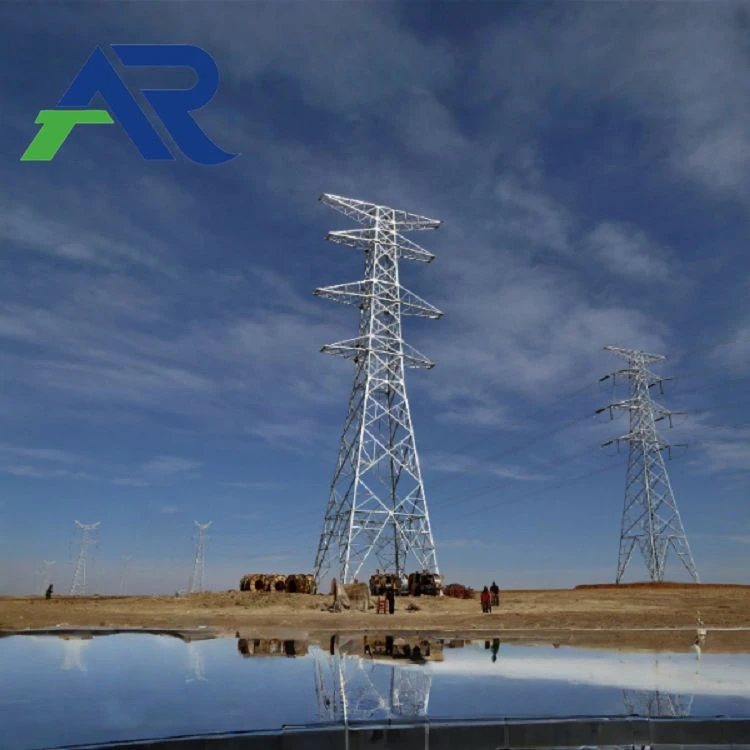
If you're considering a project involving iron towers and have questions about the legal requirements or need assistance in selecting the right tower for your needs, we're here to help. Contact us for a consultation and let's start discussing how we can meet your iron tower procurement needs.
References
- Local government zoning and land - use ordinances
- Environmental protection laws and regulations
- National and international building codes and standards
- Utility and telecommunication industry regulations