
Hey there! As a supplier of Stainless Steel Factory Chimney, I've had my fair share of experiences and knowledge about these chimneys. One of the most common questions I get asked is about the pressure - bearing capacities of a stainless steel factory chimney. So, let's dive right into it.
Understanding the Basics
First off, we need to understand what we mean by pressure - bearing capacity. In simple terms, it's the amount of pressure a chimney can withstand without failing. This pressure can come from various sources, like the force of the hot gases flowing through the chimney, wind pressure, and even seismic activity in some areas.
Stainless steel is a popular choice for factory chimneys because of its durability, corrosion resistance, and strength. These properties play a huge role in determining the chimney's pressure - bearing capacity.
Factors Affecting Pressure - Bearing Capacity
1. Chimney Design
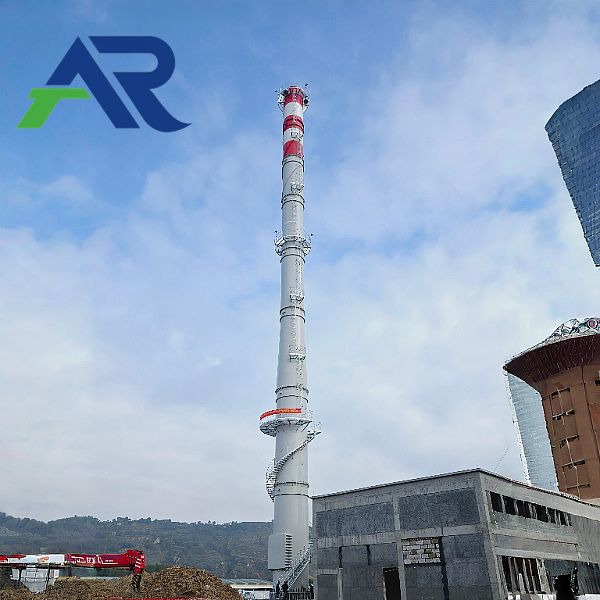
The design of the chimney is a major factor. For example, Single Sleeve Chimney and Multi - sleeve Chimney have different pressure - bearing capabilities. A single - sleeve chimney is simpler in design and is often used for smaller factories or less demanding applications. It has a relatively straightforward structure, and its pressure - bearing capacity is mainly determined by the thickness of the stainless - steel sleeve and its height.
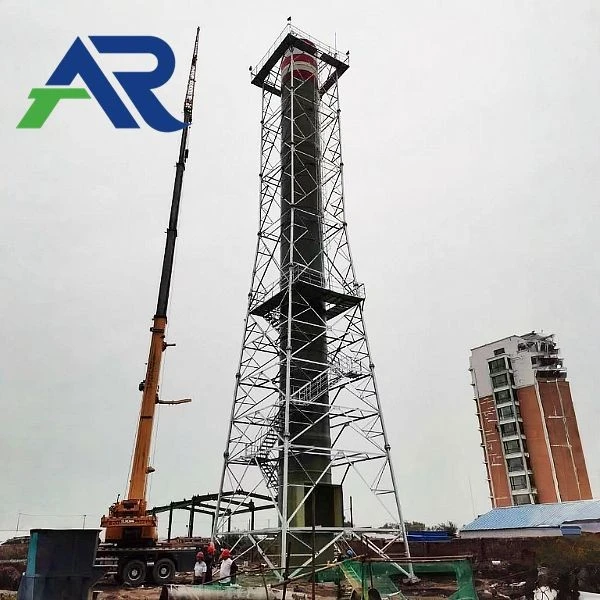
On the other hand, a multi - sleeve chimney is more complex. It consists of multiple sleeves, which can provide better insulation and can handle higher pressures. The additional sleeves can distribute the pressure more evenly, allowing the chimney to withstand greater forces. However, the design also needs to be carefully engineered to ensure that each sleeve can work together effectively under pressure.
2. Stainless Steel Grade
Not all stainless steel is created equal. Different grades of stainless steel have different mechanical properties, which directly affect the pressure - bearing capacity of the chimney. For instance, a higher - grade stainless steel with better tensile strength and yield strength can withstand more pressure. We usually recommend using high - quality stainless steel grades that are specifically designed for industrial chimney applications. These grades are more resistant to deformation under pressure and can last longer in harsh factory environments.
3. Height and Diameter
The height and diameter of the chimney also play a crucial role. Generally, taller chimneys are more prone to wind pressure. As the height increases, the wind force acting on the chimney also increases. So, taller chimneys need to be designed with stronger materials and better structural support to handle this additional pressure.
The diameter of the chimney affects the flow of gases inside. A larger diameter chimney can allow for a greater volume of gases to flow through, but it also needs to be able to withstand the pressure exerted by the gas flow. If the diameter is too small, the gas flow may be restricted, leading to increased pressure inside the chimney.
4. Environmental Conditions
The environment where the chimney is installed can have a significant impact on its pressure - bearing capacity. In areas with high wind speeds, the chimney needs to be designed to resist the strong wind forces. This may involve adding additional bracing or using a more aerodynamic design.
In regions prone to earthquakes, the chimney needs to be able to withstand seismic vibrations. Special seismic design considerations, such as flexible connections and shock - absorbing materials, may be required to ensure the chimney's stability during an earthquake.
Calculating Pressure - Bearing Capacity
Calculating the pressure - bearing capacity of a stainless steel factory chimney is a complex process. It involves a combination of engineering calculations and computer simulations. Engineers need to consider all the factors mentioned above, as well as the specific requirements of the factory, such as the type of fuel being burned and the volume of exhaust gases.
They use mathematical models to analyze the stress and strain on the chimney under different pressure conditions. These models take into account the material properties, the geometry of the chimney, and the external forces acting on it. By running these simulations, engineers can determine the maximum pressure that the chimney can safely withstand.
Importance of Pressure - Bearing Capacity
Understanding the pressure - bearing capacity of a stainless steel factory chimney is crucial for several reasons. Firstly, it ensures the safety of the factory and its workers. If a chimney fails due to excessive pressure, it can cause serious damage to the factory infrastructure and pose a significant risk to the people working nearby.
Secondly, it helps in the efficient operation of the factory. A chimney that can handle the pressure of the gas flow effectively allows for a smooth and continuous exhaust process. This means that the factory can operate at its optimal level without any interruptions due to chimney problems.
Our Role as a Supplier
As a supplier of Stainless Steel Factory Chimney, we take pride in providing high - quality chimneys with the right pressure - bearing capacity for our customers. We work closely with engineers and designers to ensure that each chimney is custom - made to meet the specific needs of the factory.
We offer a wide range of chimney designs, including single - sleeve and multi - sleeve chimneys, and we use only the best grades of stainless steel. Our team of experts can also provide advice on the installation and maintenance of the chimneys to ensure that they continue to perform well over time.
Conclusion
So, there you have it. The pressure - bearing capacity of a stainless steel factory chimney is influenced by many factors, including design, stainless steel grade, height, diameter, and environmental conditions. By understanding these factors, you can make an informed decision when choosing a chimney for your factory.
If you're in the market for a high - quality stainless steel factory chimney, don't hesitate to reach out to us. We're here to help you find the perfect chimney solution that meets your pressure - bearing requirements and fits your budget. Let's work together to ensure the safety and efficiency of your factory operations.
References
- Engineering Handbook for Industrial Chimneys
- Stainless Steel Properties and Applications Guide
- Seismic Design Standards for Industrial Structures