

As a supplier of corrugated steel culverts, I am often asked whether these structures are suitable for drainage. In this blog post, I will explore the various aspects of corrugated steel culverts and their suitability for drainage applications, drawing on scientific knowledge and real - world experience.
1. Structural Advantages of Corrugated Steel Culverts for Drainage
1.1 Flexibility
Corrugated steel culverts are highly flexible. This flexibility allows them to conform to the natural ground settlement and movement. In drainage systems, the ground around the culvert may shift over time due to factors such as soil consolidation, water flow, or seismic activity. A rigid culvert may crack or fail under such conditions, leading to drainage problems. However, the flexibility of corrugated steel culverts enables them to withstand these movements without significant damage. For example, in areas with soft or unstable soils, a corrugated steel culvert can adjust to the ground's changing shape, maintaining its integrity and ensuring continuous drainage. You can find more information about our high - quality corrugated steel culverts at Steel Corrugated Culvert.
1.2 Strength - to - Weight Ratio
Corrugated steel culverts have an excellent strength - to - weight ratio. The corrugation pattern on the steel adds significant strength, allowing the culvert to support heavy loads while being relatively lightweight compared to other materials like concrete. This is particularly beneficial in drainage applications where the culvert may need to support the weight of vehicles, soil, or water above it. A lighter culvert is also easier and more cost - effective to transport and install, which can be a major advantage in large - scale drainage projects.
1.3 Hydraulic Efficiency
The corrugation of the steel can enhance the hydraulic efficiency of the culvert. The rippled surface can create a more turbulent flow of water, which helps to prevent sediment deposition. In drainage systems, sediment buildup can reduce the capacity of the culvert and eventually lead to blockages. The corrugated design also increases the wetted perimeter of the culvert, which can improve the water - carrying capacity for a given cross - sectional area. This means that corrugated steel culverts can handle larger volumes of water compared to non - corrugated structures of the same size.
2. Corrosion Resistance and Durability
2.1 Coating Technologies
To ensure long - term durability in drainage applications, corrugated steel culverts are often coated with protective materials. Galvanized coatings are a common choice, as they provide a sacrificial layer that corrodes before the steel base. This significantly extends the lifespan of the culvert, especially in environments where the water may contain corrosive substances such as salts or acids. Some of our culverts also feature polymer or epoxy coatings, which offer even higher levels of corrosion resistance. These advanced coatings can protect the culvert from the harsh conditions often found in drainage systems for several decades. You can learn more about our corrosion - resistant products at Bridge Culvert Steel Corrugated Culvert.
2.2 Long - Term Performance
The combination of corrosion - resistant coatings and the inherent strength of steel results in a long - lasting drainage solution. Corrugated steel culverts can have a service life of 50 years or more, depending on the environment and the type of coating used. This long lifespan means that they require less frequent replacement compared to some other culvert materials, reducing the overall cost of the drainage system over time.
3. Installation and Maintenance
3.1 Ease of Installation
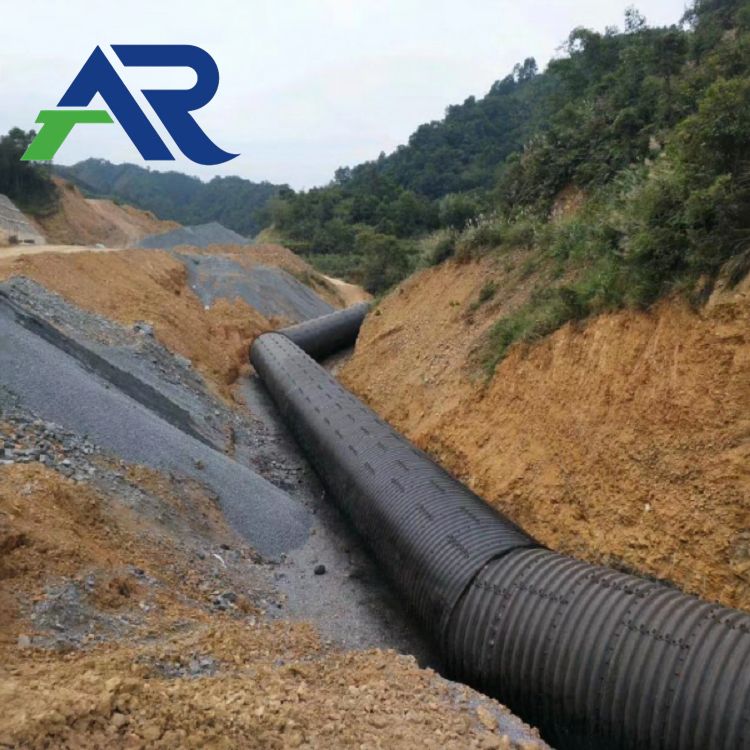
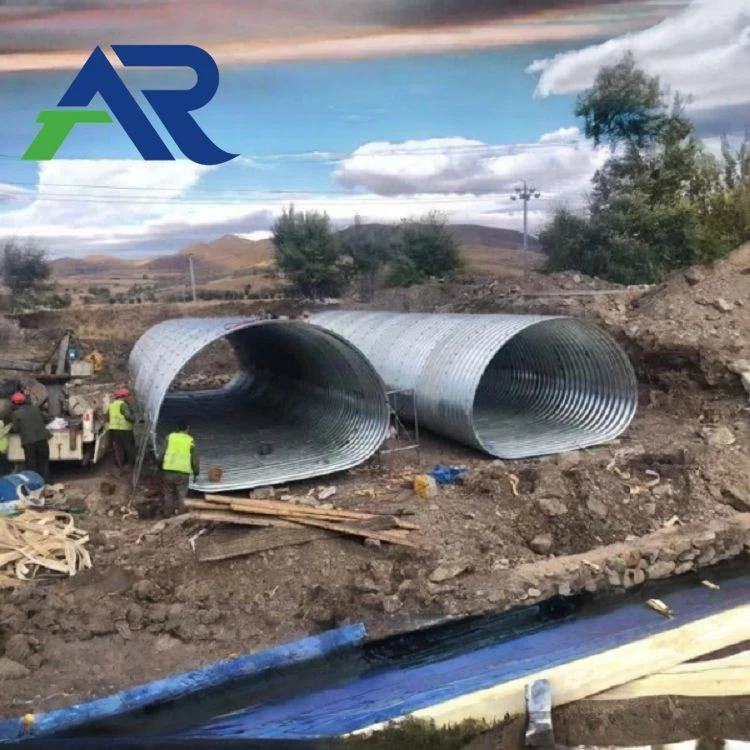
One of the major advantages of corrugated steel culverts is their ease of installation. They can be pre - fabricated in a factory and then transported to the installation site, which reduces on - site construction time. The lightweight nature of the culverts also means that less heavy equipment is required for installation, which can lower the installation cost. Additionally, the flexibility of the culverts allows for easier alignment and connection with other components of the drainage system.
3.2 Low Maintenance
Corrugated steel culverts generally require low maintenance. The smooth interior surface of the culvert, combined with its resistance to corrosion and abrasion, means that it is less likely to develop problems such as leaks or blockages. Regular inspections are still recommended to ensure that the culvert is functioning properly, but the maintenance requirements are significantly lower compared to some other types of culverts.
4. Environmental Considerations
4.1 Recyclability
Steel is a highly recyclable material. At the end of its service life, a corrugated steel culvert can be recycled and used to produce new steel products. This makes corrugated steel culverts an environmentally friendly choice for drainage systems. Recycling steel reduces the demand for new raw materials and energy consumption associated with steel production, which helps to minimize the environmental impact of the drainage project.
4.2 Reduced Disruption
The ease of installation and relatively small footprint of corrugated steel culverts result in reduced disruption to the surrounding environment during construction. This is important in areas where there are sensitive ecological systems or where minimizing the impact on the local community is a priority.
5. Limitations and Considerations
5.1 Unsuitable in Extreme Environments
Although corrugated steel culverts have good corrosion resistance, they may not be suitable for extremely harsh environments. For example, in areas where the water has a very high acidity or where there is constant exposure to strong chemical agents, the protective coatings may degrade more quickly, and additional measures may be required to ensure the long - term durability of the culvert.
5.2 Design Considerations
Proper design is crucial for the effective use of corrugated steel culverts in drainage systems. Factors such as the size, shape, and slope of the culvert need to be carefully calculated based on the expected water flow, the type of soil, and the load requirements. Incorrect design can lead to problems such as inadequate drainage capacity or structural failure.
Conclusion
In conclusion, corrugated steel culverts are generally a suitable choice for drainage applications. Their structural advantages, including flexibility, strength - to - weight ratio, and hydraulic efficiency, make them well - suited to handle various drainage challenges. The corrosion - resistant coatings and long - term durability ensure a reliable and cost - effective solution. Additionally, their ease of installation, low maintenance requirements, and environmental benefits are significant advantages.
However, it is important to consider the specific requirements and limitations of each project. If you are planning a drainage project and are considering corrugated steel culverts, our team of experts can provide you with detailed information and help you make the right choice. We also offer Steel Urban Underground Integrated Pipeline Corridor solutions that can be customized to your specific needs.
If you are interested in purchasing corrugated steel culverts for your drainage project, please feel free to contact us for further details and to discuss your requirements. Our dedicated sales team is ready to assist you in finding the best solution for your drainage needs.
References
- American Iron and Steel Institute. (20XX). Design Manual for Corrugated Steel Pipe and Pipe - Arch Culverts.
- Federal Highway Administration. (20XX). Hydraulic Design of Highway Culverts.
- National Association of Corrugated Steel Pipe Manufacturers. (20XX). Corrugated Steel Pipe: Properties and Performance.