

As a supplier of Stainless Steel Factory Chimneys, I've seen firsthand the importance of regular inspections to ensure these structures are safe and functioning properly. In this blog, I'll walk you through the inspection procedures for a stainless steel factory chimney, sharing insights from my years in the industry.
Pre - inspection Preparation
Before we even start climbing up or getting close to the chimney, there's a bunch of prep work to do. First off, gather all the necessary tools. You'll need things like a flashlight, a measuring tape, a camera to document any issues, and safety gear such as hard hats, safety harnesses, and goggles.
It's also a good idea to review the chimney's maintenance history. Check when it was last inspected, what repairs were done, and if there were any previous problems. This info can give you a heads - up on areas that might need extra attention.
Visual Inspection
The visual inspection is usually the first step. Start from the ground level and look for any obvious signs of damage. Check the base of the chimney for cracks, corrosion, or any signs of settlement. If the base is compromised, it can lead to serious structural issues down the line.
Next, move up the chimney. Look for any dents, scratches, or discoloration on the stainless steel surface. Discoloration can sometimes indicate overheating or chemical reactions. Pay special attention to the joints between different sections of the chimney. Loose or damaged joints can cause leaks, which can be a real headache.
You can also check the chimney's exterior for any signs of debris or blockages. Sometimes, leaves, twigs, or even birds' nests can accumulate on the chimney, which can affect its ventilation.
Structural Integrity Check
After the visual inspection, it's time to dig deeper into the chimney's structural integrity. One of the key things to check is the thickness of the stainless steel. Over time, corrosion can eat away at the metal, reducing its thickness and weakening the chimney. You can use a thickness gauge to measure the metal thickness at various points along the chimney.
Check the supports and brackets that hold the chimney in place. Make sure they are secure and not showing any signs of wear or damage. If the supports are loose or damaged, the chimney could become unstable, which is extremely dangerous.
Another important aspect is the alignment of the chimney. Use a plumb line or a laser level to check if the chimney is straight. Any deviation from the vertical can put extra stress on the structure and increase the risk of failure.
Flue Inspection
The flue is the inner passage of the chimney through which the exhaust gases flow. It's crucial to inspect the flue to ensure it's clean and unobstructed. Start by looking for any signs of soot buildup. Excessive soot can reduce the efficiency of the chimney and increase the risk of a chimney fire.
Check for any cracks or holes in the flue lining. A damaged flue lining can allow hot gases and flames to escape into the chimney structure, which can cause serious damage and pose a safety hazard.
You can also use a flue camera to get a better look inside the flue. This can help you detect any hidden issues that might not be visible from the outside.
Ventilation and Draft Check
Proper ventilation and draft are essential for the efficient operation of a chimney. To check the draft, you can use a draft gauge. A good chimney should have a steady, upward draft. If the draft is weak or inconsistent, it could indicate a blockage or a problem with the chimney's design.
You can also perform a smoke test. Light a small fire in the equipment connected to the chimney and observe the smoke. The smoke should rise smoothly up the chimney. If it billows out or doesn't rise properly, there might be a ventilation issue.
Safety Devices Inspection
Most modern stainless steel factory chimneys are equipped with safety devices such as spark arrestors, dampers, and overheat sensors. Check these devices to make sure they are working correctly.
Inspect the spark arrestor for any damage or blockages. A faulty spark arrestor can allow sparks to escape from the chimney, which can start a fire.
The damper should open and close smoothly. Check for any signs of rust or corrosion that might prevent it from functioning properly.
Test the overheat sensors to ensure they will trigger an alarm if the chimney gets too hot. This can help prevent overheating and potential damage to the chimney and the surrounding equipment.
Post - inspection Report
Once the inspection is complete, it's important to document your findings in a detailed report. Include all the information about the chimney's condition, any issues you found, and recommendations for repairs or maintenance.
If you found any major problems, make sure to prioritize them based on their severity. Provide clear instructions on how to fix the issues and what materials or tools will be needed.
Types of Stainless Steel Factory Chimneys
There are different types of stainless steel factory chimneys, each with its own unique features and inspection requirements. For example, the Single Sleeve Chimney is a simple and cost - effective option. It consists of a single layer of stainless steel and is relatively easy to inspect.
The Stainless Steel Factory Chimney is a more general term that can refer to various types of chimneys used in factories. They are designed to withstand high temperatures and harsh environments.
The Multi - sleeve Chimney is a more complex design that offers better insulation and protection. It consists of multiple layers of stainless steel, which can make the inspection process a bit more involved.
Conclusion
Regular inspections of stainless steel factory chimneys are essential to ensure their safety and efficiency. By following these inspection procedures, you can identify and address any issues before they turn into major problems.
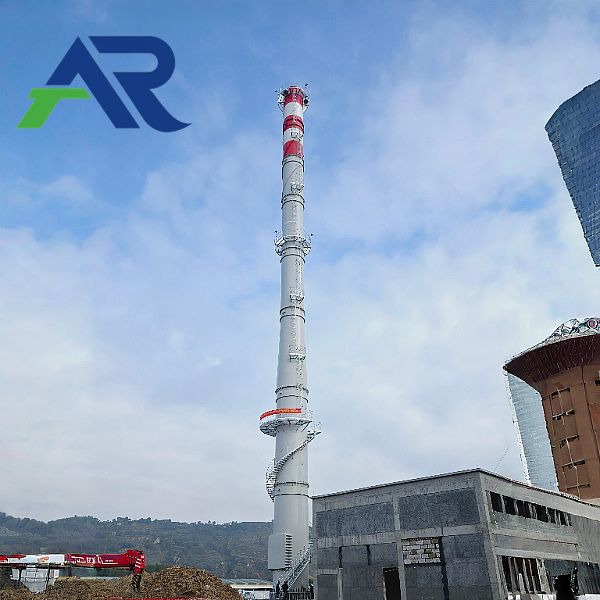
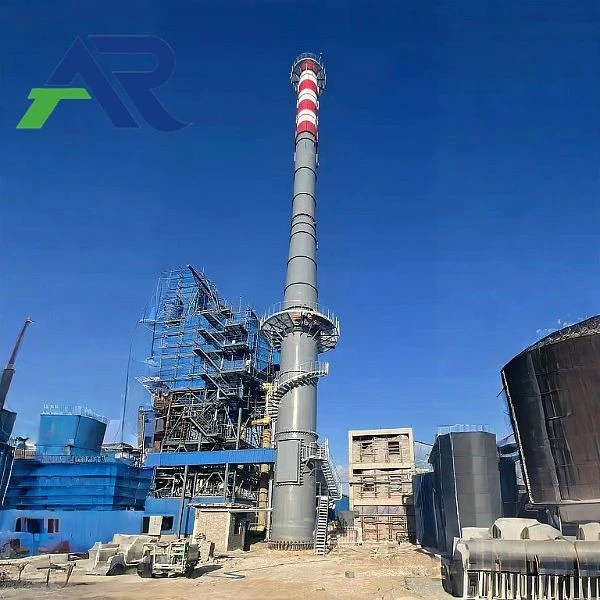
If you're in the market for a new Stainless Steel Factory Chimney or need help with chimney inspections and maintenance, don't hesitate to reach out. We're here to provide you with the best solutions and ensure your chimney is in top - notch condition.
References
- "Chimney Safety and Maintenance Guide" - National Chimney Sweep Guild
- "Stainless Steel Handbook" - ASM International