

Hey there! As a supplier of Smart Light Pole, I've got a ton of experience dealing with the ins and outs of these nifty devices. Today, I want to chat about the special considerations you need to keep in mind when using smart light poles in coastal areas.
1. Corrosion Resistance
Coastal areas are known for their high salt content in the air and water. This salt can be a real nightmare for smart light poles. Saltwater is extremely corrosive, and it can eat away at the metal components of the light poles over time.
Most of our smart light poles are made of high - strength steel or aluminum. For coastal use, we often recommend poles with a special anti - corrosion coating. This coating acts as a barrier between the metal and the salty air. It's like giving your light pole a suit of armor.
We've done some tests in coastal areas, and the results are pretty clear. Light poles without the proper coating start to show signs of rust and degradation within a year or two. On the other hand, poles with a good anti - corrosion coating can last for decades. So, if you're thinking about installing smart light poles in a coastal area, make sure they have this protection.
2. Wind Resistance
Coastal regions are no strangers to strong winds. Hurricanes, tropical storms, and even regular coastal breezes can pack a punch. Smart light poles need to be able to withstand these high - speed winds without toppling over.
When we design our smart light poles for coastal areas, we take into account the wind load requirements. We use computer simulations to calculate how much force the poles can handle. The shape of the pole also plays a crucial role. A streamlined design can reduce wind resistance and prevent the pole from being pushed over.
For example, we might use a tapered pole design. This means the pole is wider at the base and narrower at the top. This not only gives the pole more stability but also reduces the surface area that the wind can push against. Additionally, we make sure that all the components attached to the pole, like cameras or sensors, are also securely fastened. Loose components can create extra wind drag and increase the risk of the pole falling.
3. Waterproofing
With the constant presence of moisture in the air and the occasional heavy rain or sea spray, waterproofing is a must for smart light poles in coastal areas. All the electrical components inside the pole, such as the lighting fixtures, sensors, and communication devices, need to be protected from water damage.
We use waterproof enclosures for all the sensitive electronics. These enclosures are sealed tightly to prevent water from getting in. We also make sure that all the cables and connections are properly insulated and waterproofed.
In some cases, we even design the poles with a drainage system. This allows any water that does manage to get inside the pole to drain out quickly. Without proper waterproofing, the electrical components can short - circuit, leading to malfunctions or even complete failure of the smart light pole.
4. Environmental Impact
Coastal areas are home to a diverse range of ecosystems. When installing smart light poles, we need to be careful not to have a negative impact on the environment.
The lighting itself can affect wildlife. For example, bright lights can disorient sea turtles. Baby sea turtles are supposed to use the natural light of the moon reflected on the ocean to find their way to the water. Artificial light from smart light poles can confuse them and lead them in the wrong direction.
To mitigate this, we offer smart light poles with adjustable lighting levels. You can dim the lights during certain times of the night or in areas where wildlife is more likely to be affected. We also use lighting fixtures that emit a specific spectrum of light that is less likely to disrupt wildlife.

5. Maintenance and Monitoring
Maintaining smart light poles in coastal areas can be a bit more challenging than in other locations. The harsh environmental conditions mean that the poles may require more frequent inspections and maintenance.
We provide a remote monitoring system for our smart light poles. This system allows us to keep an eye on the performance of the poles in real - time. We can detect any issues, such as a drop in lighting intensity or a malfunctioning sensor, before they become major problems.
Regular maintenance is also important. This includes checking the anti - corrosion coating, tightening any loose bolts, and cleaning the waterproof enclosures. By staying on top of maintenance, you can ensure that your smart light poles continue to function properly for years to come.
6. Compatibility with Coastal Infrastructure
Coastal areas often have unique infrastructure requirements. Smart light poles need to be compatible with the existing power grid, communication networks, and traffic management systems.
When it comes to power, we need to make sure that the poles can handle the voltage fluctuations that are common in coastal areas. We also offer options for solar - powered smart light poles, which can be a great alternative in areas where the power grid is unreliable or where you want to reduce your carbon footprint.
In terms of communication, our smart light poles can be integrated with existing Wi - Fi networks or cellular networks. This allows for seamless data transfer between the poles and the central management system.
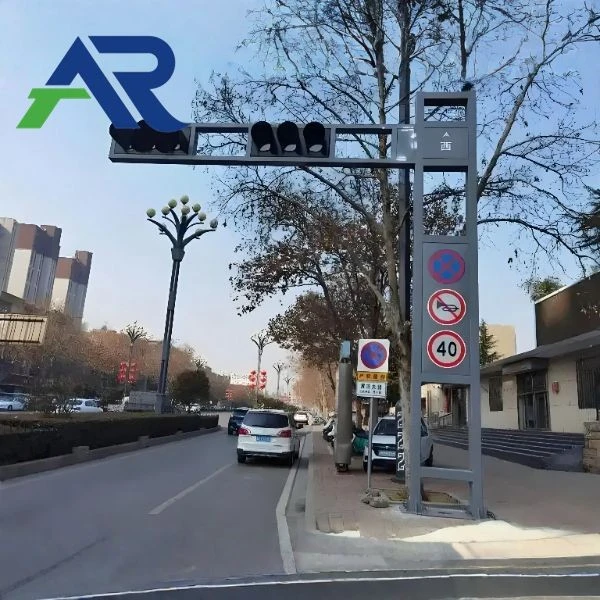
If you're also using Traffic Signal Pole Types or Municipal Light Pole in the area, our smart light poles can be designed to work in harmony with them. This ensures a unified and efficient infrastructure system.
Conclusion
Using smart light poles in coastal areas comes with its own set of challenges, but with the right considerations, it can be a great investment. As a supplier, we're committed to providing high - quality smart light poles that are tailored to the specific needs of coastal environments.
If you're interested in learning more about our smart light poles or discussing a potential project in a coastal area, don't hesitate to reach out. We're here to help you find the best solution for your lighting and infrastructure needs.
References
- "Coastal Engineering Manual", U.S. Army Corps of Engineers
- "Lighting and Wildlife: A Guide to Minimizing Impacts", International Dark - Sky Association
- "Wind Load Design of Structures", American Society of Civil Engineers