

Hey there! I'm a supplier of Stainless Steel Factory Chimneys, and I've been in this business for quite some time. One question that often pops up is, "What are the effects of sunlight on a stainless steel factory chimney?" Well, let's dive right into it.
First off, sunlight is a powerful force of nature. It's made up of different types of light, including ultraviolet (UV) rays, visible light, and infrared (IR) radiation. Each of these components can have a distinct impact on a stainless steel factory chimney.
Let's start with UV rays. These are the high - energy rays that can cause a lot of damage over time. When stainless steel is exposed to UV rays, it can lead to a process called oxidation. Oxidation is when the metal reacts with oxygen in the air, and in the presence of UV rays, this reaction speeds up. You might notice a change in the appearance of the chimney. The surface can start to look dull, and it may develop a thin layer of oxide, which is often referred to as a patina. This patina isn't always a bad thing, though. In some cases, it can act as a protective layer, preventing further oxidation. But if it gets too thick or uneven, it can affect the structural integrity of the chimney.
Visible light, on the other hand, doesn't have as significant an impact on the chemical properties of stainless steel. However, it does play a role in how the chimney looks. The reflection of visible light can make the chimney more or less visible from a distance. If you're in an area where aesthetics matter, this can be an important consideration. A shiny stainless steel chimney can be quite eye - catching in sunlight, which might be either a plus or a minus depending on your needs. For example, if the chimney is in a residential area, a less reflective finish might be preferred to avoid being too obtrusive.
Infrared radiation is all about heat. When sunlight hits the stainless steel chimney, the IR rays are absorbed, and the temperature of the chimney rises. This can cause thermal expansion. Stainless steel has a relatively high coefficient of thermal expansion, which means it expands and contracts quite a bit with changes in temperature. Over time, repeated expansion and contraction can put stress on the joints and seams of the chimney. If the chimney isn't properly designed to handle these thermal stresses, it can lead to cracks or leaks. This is why proper installation and the use of expansion joints are crucial for stainless steel factory chimneys.
Now, let's talk about how these effects can vary depending on the type of chimney. We offer different types of chimneys, such as the Multi - sleeve Chimney, the Stainless Steel Factory Chimney, and the Single Sleeve Chimney.
A multi - sleeve chimney has multiple layers, which can provide better insulation. This insulation helps to reduce the impact of heat from sunlight. The outer layer can absorb the heat, while the inner layers are protected, reducing the risk of thermal expansion - related issues. The multiple layers also add an extra level of protection against oxidation, as the outer layer can take the brunt of the UV exposure.
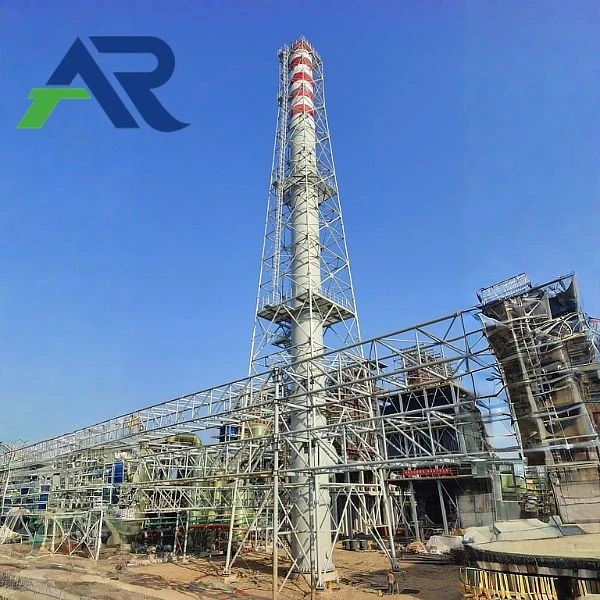
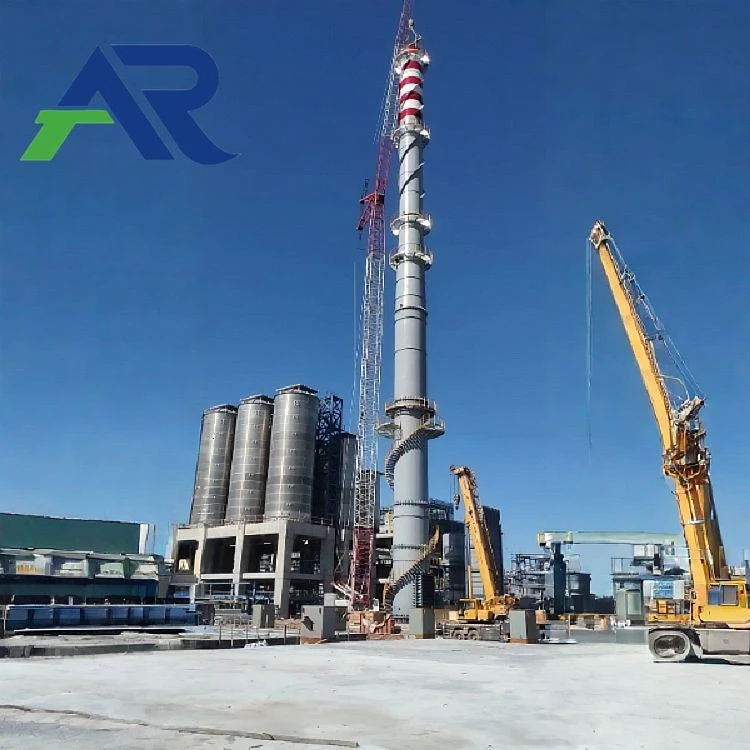
A single - sleeve chimney, on the other hand, is more exposed. Since it has only one layer, it's directly affected by all the components of sunlight. The heat from IR radiation can quickly raise the temperature of the entire chimney, and the UV rays can directly attack the surface. This means that single - sleeve chimneys might require more maintenance to prevent oxidation and damage from thermal expansion.
The standard Stainless Steel Factory Chimney also has its own set of considerations. The quality of the stainless steel used matters a great deal. Higher - grade stainless steel is more resistant to oxidation and thermal stress. For example, stainless steel grades like 316 or 304L are often used in factory chimneys because they have better corrosion resistance. These grades contain elements like chromium and nickel, which form a protective oxide layer on the surface, making them more resistant to the effects of sunlight.
To mitigate the effects of sunlight on stainless steel factory chimneys, there are several steps that can be taken. First, proper coating can be applied. There are special coatings available that can block UV rays and reduce the absorption of IR radiation. These coatings can extend the lifespan of the chimney and reduce maintenance costs. Second, regular inspections are essential. By checking the chimney regularly, you can catch any signs of oxidation, cracks, or leaks early on and address them before they become major problems.
Another important factor is the location of the chimney. If possible, try to place the chimney in a shaded area or use structures to block some of the sunlight. This can significantly reduce the amount of sunlight exposure and the associated effects.
As a supplier of Stainless Steel Factory Chimneys, I understand the importance of providing high - quality products that can withstand the effects of sunlight. We work hard to ensure that our chimneys are made from the best materials and are designed to handle the challenges posed by the sun. Whether you need a Multi - sleeve Chimney, a Single Sleeve Chimney, or a standard Stainless Steel Factory Chimney, we've got you covered.
If you're in the market for a stainless steel factory chimney, I encourage you to reach out. We can have a detailed discussion about your specific needs, the location of the chimney, and the best options for your situation. Whether you're building a new factory or replacing an old chimney, we're here to help you make the right choice.
References:
- "The Handbook of Stainless Steels" by ASM International
- "Sunlight and Materials Degradation" by various authors in the Journal of Materials Science