

When it comes to industrial and commercial heating systems, a Single Sleeve Chimney is a popular choice for many due to its simplicity and cost - effectiveness. As a supplier of Single Sleeve Chimneys, I understand the importance of ensuring that these products are used safely. In this blog, I'll share some essential safety measures that should be taken when using a Single Sleeve Chimney.
1. Installation
Proper installation is the first and most crucial step in ensuring the safe use of a Single Sleeve Chimney. First of all, it must be installed by a qualified professional. These experts have the knowledge and experience to ensure that the chimney is set up according to the manufacturer's instructions and local building codes.
The location of the installation is also of utmost importance. The chimney should be installed in an area where it is not likely to come into contact with flammable materials. For example, it should be at a safe distance from wooden structures, insulation materials, and storage areas for combustible substances. A minimum clearance of at least 18 inches from any combustible material is often recommended, but this can vary depending on local regulations and the type of chimney.
During installation, the chimney should be securely fastened. This includes proper bracing and anchoring to prevent it from tipping over or moving during operation. The joints between the chimney sections must be tightly sealed to prevent the leakage of flue gases. Leaking flue gases can contain carbon monoxide, a colorless and odorless gas that is extremely dangerous to human health.
2. Inspection and Maintenance
Regular inspection and maintenance are essential for the safe operation of a Single Sleeve Chimney. Inspections should be carried out at least once a year, preferably by a professional chimney sweep or inspector. They will check for signs of wear and tear, such as cracks, corrosion, or blockages.
Cracks in the chimney can allow flue gases to escape into the surrounding environment. Corrosion can weaken the chimney structure, making it more prone to collapse. Blockages, which can be caused by debris, bird nests, or creosote buildup, can restrict the flow of flue gases and increase the risk of back - drafting. Back - drafting occurs when flue gases are forced back into the building instead of being vented outside, which can lead to poor air quality and potential health hazards.
Maintenance tasks include cleaning the chimney regularly. Creosote, a by - product of the combustion process, can accumulate on the inner walls of the chimney over time. If not removed, it can become a fire hazard. A professional chimney sweep can use specialized tools to remove creosote and other debris from the chimney.
3. Combustion Safety
The type of fuel used in the heating system connected to the Single Sleeve Chimney can significantly affect safety. Different fuels produce different amounts of heat and flue gases. It is essential to use the type of fuel recommended by the manufacturer of the heating system and chimney.
For example, if the heating system is designed for natural gas, using propane or oil without proper modification can lead to incomplete combustion. Incomplete combustion can produce higher levels of carbon monoxide and other harmful pollutants.
The combustion process should also be monitored to ensure that it is operating efficiently. This can be done by checking the flame color and the temperature of the flue gases. A blue flame generally indicates complete combustion, while a yellow or orange flame may indicate incomplete combustion. An abnormally high or low flue gas temperature can also be a sign of a problem with the combustion process.
4. Ventilation
Proper ventilation is crucial when using a Single Sleeve Chimney. The chimney relies on the draft to draw flue gases out of the building. A good draft is created by the difference in temperature between the inside of the chimney and the outside air.
To ensure proper ventilation, the chimney should not be obstructed. This means that there should be no objects placed on or near the chimney that could block the flow of air. Additionally, the building should have adequate fresh air intake. Without enough fresh air, the combustion process can be starved of oxygen, leading to incomplete combustion and the production of carbon monoxide.
In some cases, a mechanical draft system may be required to assist with the ventilation of the chimney. This can be especially useful in situations where the natural draft is not sufficient, such as in buildings with tight construction or in areas with low wind speeds.
5. Monitoring and Alarm Systems
Installing monitoring and alarm systems can provide an extra layer of safety when using a Single Sleeve Chimney. A carbon monoxide detector should be installed in the area near the heating system and chimney. This detector will sound an alarm if the level of carbon monoxide in the air reaches a dangerous level.
Temperature sensors can also be installed on the chimney to monitor the temperature of the flue gases. If the temperature exceeds a certain threshold, it could indicate a problem with the combustion process or a blockage in the chimney. An alarm can be set to notify the building occupants or the maintenance personnel.
6. Comparison with Other Chimney Types
While Single Sleeve Chimneys have their advantages, it's also important to understand how they compare with other types of chimneys, such as Multi - sleeve Chimney and Stainless Steel Factory Chimney.
Multi - sleeve chimneys are designed to handle multiple heating appliances or different types of fuels. They offer better insulation and can prevent the transfer of heat to the surrounding environment. Stainless steel factory chimneys are known for their durability and resistance to corrosion. They are often used in industrial settings where the chimney is exposed to harsh chemicals and high temperatures.
However, Single Sleeve Chimneys are more cost - effective and easier to install in many cases. They are suitable for smaller heating systems and applications where the requirements for insulation and durability are not as high.
7. Importance of Choosing the Right Supplier
As a Single Sleeve Chimney supplier, I emphasize the importance of choosing the right supplier. A reliable supplier will provide high - quality products that meet industry standards. They will also offer technical support and guidance on installation, maintenance, and safety.
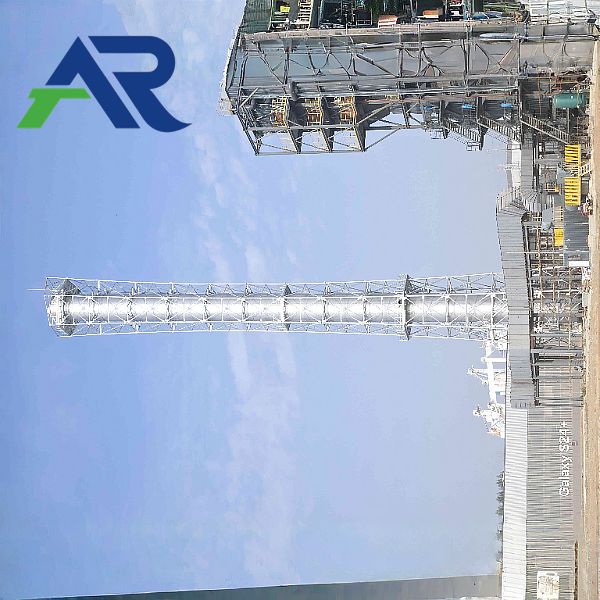
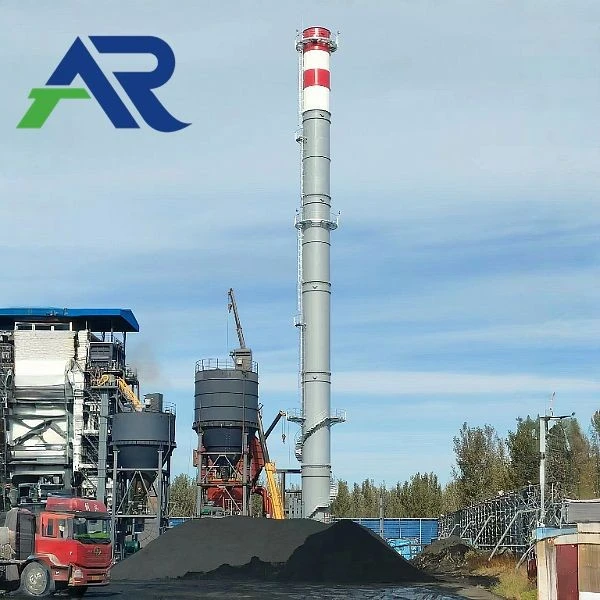
When selecting a supplier, look for one with a good reputation in the industry. Check customer reviews and testimonials to get an idea of their product quality and customer service. A reputable supplier will also be able to provide you with detailed product specifications and safety information.
Conclusion
Using a Single Sleeve Chimney can be a safe and efficient way to vent flue gases from heating systems. However, it requires proper installation, regular inspection and maintenance, attention to combustion safety, adequate ventilation, and the use of monitoring and alarm systems. By following these safety measures, you can ensure the safe operation of your Single Sleeve Chimney and protect the health and safety of building occupants.
If you are considering purchasing a Single Sleeve Chimney or need more information about safety measures, feel free to visit our website Single Sleeve Chimney. We are here to assist you with your procurement needs and provide you with the best products and services. Contact us to start a discussion about how we can meet your specific requirements.
References
- "Chimney Safety Institute of America Standards and Practices." Chimney Safety Institute of America.
- Manufacturer's installation and operation manuals for Single Sleeve Chimneys.
- Local building codes and regulations regarding chimney installation and use.