

In the industrial landscape, chimney systems play a crucial role in maintaining a safe and efficient working environment by expelling waste gases and pollutants. Among the various types of chimney solutions available, fiberglass tower chimneys have emerged as a popular choice due to their unique properties and cost - effectiveness. As a supplier of Fiberglass Tower Chimneys, I am often asked about the cost factors associated with these structures. In this blog, I will delve into the different elements that contribute to the cost of a fiberglass tower chimney.
1. Material Costs
The primary component of a fiberglass tower chimney is, of course, fiberglass. Fiberglass is a composite material made of fine glass fibers embedded in a resin matrix. The quality and quantity of fiberglass used directly impact the cost. High - quality fiberglass resins, which offer better resistance to corrosion, heat, and mechanical stress, are more expensive.
The thickness of the fiberglass layers also matters. A thicker fiberglass wall provides greater strength and durability but will increase the material cost. Additionally, the size of the chimney is a significant determinant. Larger chimneys require more fiberglass material, driving up the overall cost. For example, a small - scale fiberglass tower chimney for a local workshop may use a relatively small amount of fiberglass, while a large industrial chimney for a power plant can consume a vast quantity of the material.
2. Manufacturing Costs
The manufacturing process of fiberglass tower chimneys involves several steps, each contributing to the overall cost. First, there is the cost of labor. Skilled workers are required to fabricate the chimney, from laying the fiberglass layers to shaping and curing the structure. The complexity of the design also affects labor costs. A chimney with a simple cylindrical shape is easier and less expensive to manufacture than one with a custom - designed shape, such as a tapered or multi - segmented chimney.
The equipment used in the manufacturing process also adds to the cost. Specialized molds, curing ovens, and other machinery are needed to produce high - quality fiberglass tower chimneys. The maintenance and depreciation of this equipment are factored into the final price of the chimney. Moreover, quality control measures during the manufacturing process are essential. Inspections, testing for strength, and ensuring compliance with industry standards all incur additional costs.
3. Transportation Costs
Once the fiberglass tower chimney is manufactured, it needs to be transported to the installation site. The distance between the manufacturing facility and the site is a key factor in determining transportation costs. Longer distances mean higher fuel costs, as well as potential tolls and other fees.
The size and weight of the chimney also play a role. Fiberglass tower chimneys can be large and bulky, requiring specialized transportation equipment such as flatbed trucks or trailers. In some cases, the chimney may need to be disassembled into smaller sections for easier transportation and then reassembled on - site. This disassembly and reassembly process adds to the overall cost.
4. Installation Costs
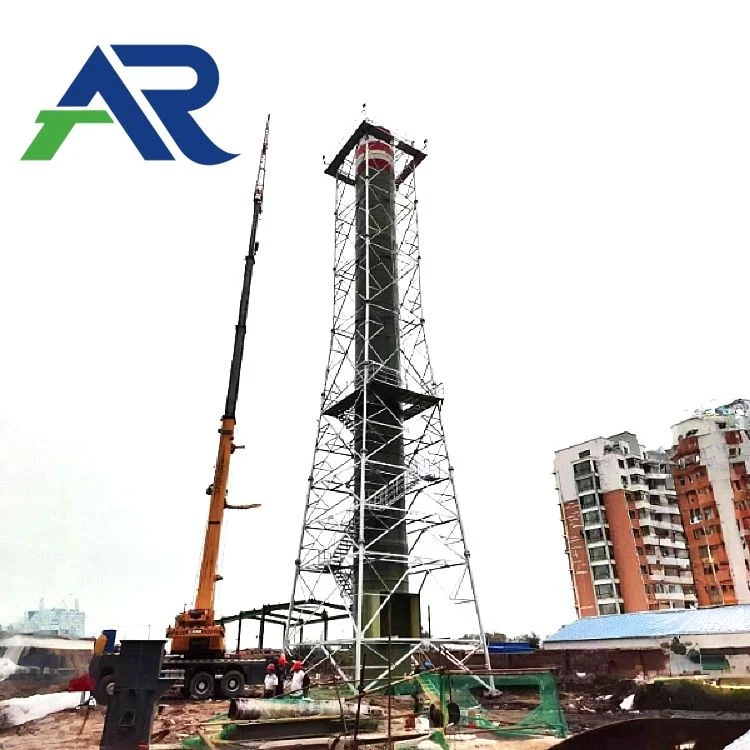
Installation is a critical phase, and it comes with its own set of costs. Professional installation teams are necessary to ensure that the fiberglass tower chimney is installed correctly and safely. The installation process may involve heavy - lifting equipment, such as cranes, especially for taller chimneys. The cost of renting or operating this equipment is included in the installation expenses.
Site preparation is another aspect. The ground where the chimney will be installed needs to be leveled and reinforced to support the weight of the chimney. If the installation site has difficult terrain or other challenges, such as limited access, the installation cost will increase. Additionally, the installation team may need to obtain necessary permits from local authorities, which can also add to the overall cost.
5. Maintenance and Long - Term Costs
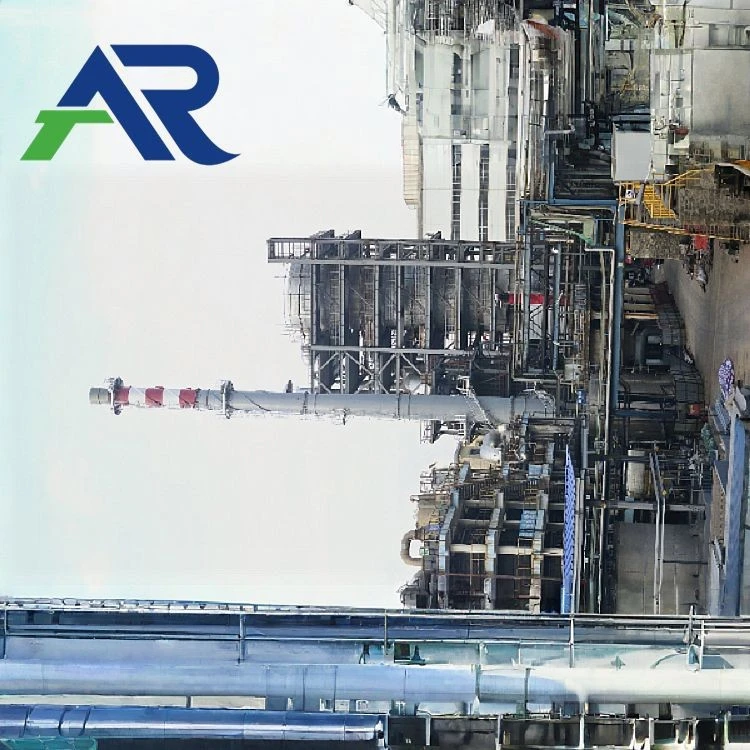
While fiberglass tower chimneys are known for their durability and low maintenance requirements compared to some other chimney materials, there are still long - term costs to consider. Regular inspections are necessary to ensure the chimney is in good condition. These inspections may involve climbing the chimney or using specialized inspection equipment.
If any damage is detected, repairs will be required. The cost of repairs depends on the extent of the damage. Minor repairs, such as patching small cracks, may be relatively inexpensive, while major repairs, such as replacing large sections of the chimney, can be quite costly.
It's also important to note that the lifespan of a fiberglass tower chimney can vary depending on usage and environmental conditions. A well - maintained chimney can last for many years, but over time, it may need to be replaced. Planning for replacement costs is an important part of the long - term cost analysis.
Comparison with Other Chimney Types
When considering the cost of a fiberglass tower chimney, it's useful to compare it with other chimney materials. For example, the Titanium Steel Composite Plate Tower Chimney is another option in the market. Titanium steel composite plate chimneys are generally more expensive in terms of material costs due to the high - cost of titanium. However, they may offer different performance characteristics, such as higher resistance to certain chemicals or extreme temperatures.
Fiberglass tower chimneys, on the other hand, are often more cost - effective in terms of initial purchase and installation, especially for applications where corrosion resistance is a primary concern. They also have a lower weight, which can reduce transportation and installation costs.
Conclusion
The cost of a fiberglass tower chimney is influenced by a variety of factors, including material costs, manufacturing, transportation, installation, and long - term maintenance. As a supplier of Fiberglass Tower Chimneys, I understand that each project has unique requirements, and the cost can vary significantly from one installation to another.
If you are considering a fiberglass tower chimney for your industrial or commercial application, I encourage you to contact us for a detailed cost analysis. Our team of experts can assess your specific needs, provide accurate cost estimates, and guide you through the entire process from design to installation. We are committed to providing high - quality fiberglass tower chimneys at competitive prices. Don't hesitate to reach out to us to start the conversation about your chimney project.
References
- "Handbook of Composite Materials for Construction"
- Industry reports on chimney manufacturing and installation costs
- Technical specifications from fiberglass and chimney component suppliers