

As a supplier of Smart Light Poles, I often get asked about the wind resistance level of these innovative structures. In this blog post, I'll delve into the factors that determine the wind resistance of Smart Light Poles, the standards they must meet, and how we ensure our products can withstand various wind conditions.
Understanding Wind Resistance
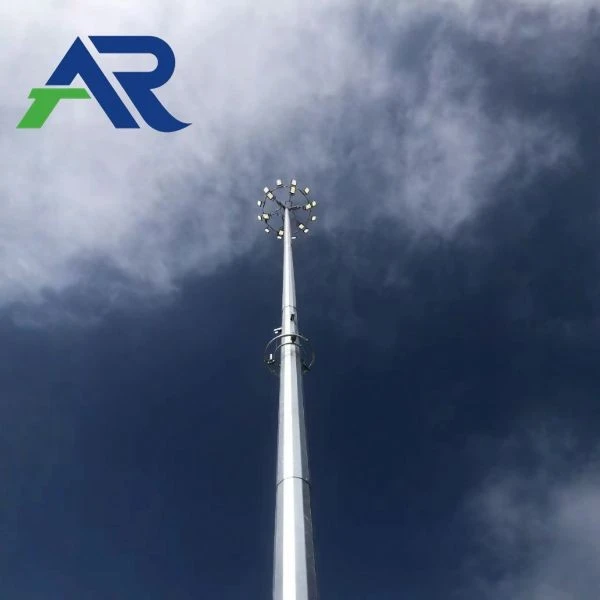
Wind resistance, also known as wind load capacity, refers to the ability of a structure to withstand the forces exerted by the wind. For Smart Light Poles, this is a crucial factor as they are often installed in outdoor environments where they are exposed to different wind speeds and directions. The wind load on a light pole is influenced by several factors, including the pole's height, shape, cross - sectional area, and the local wind climate.
Height and Shape
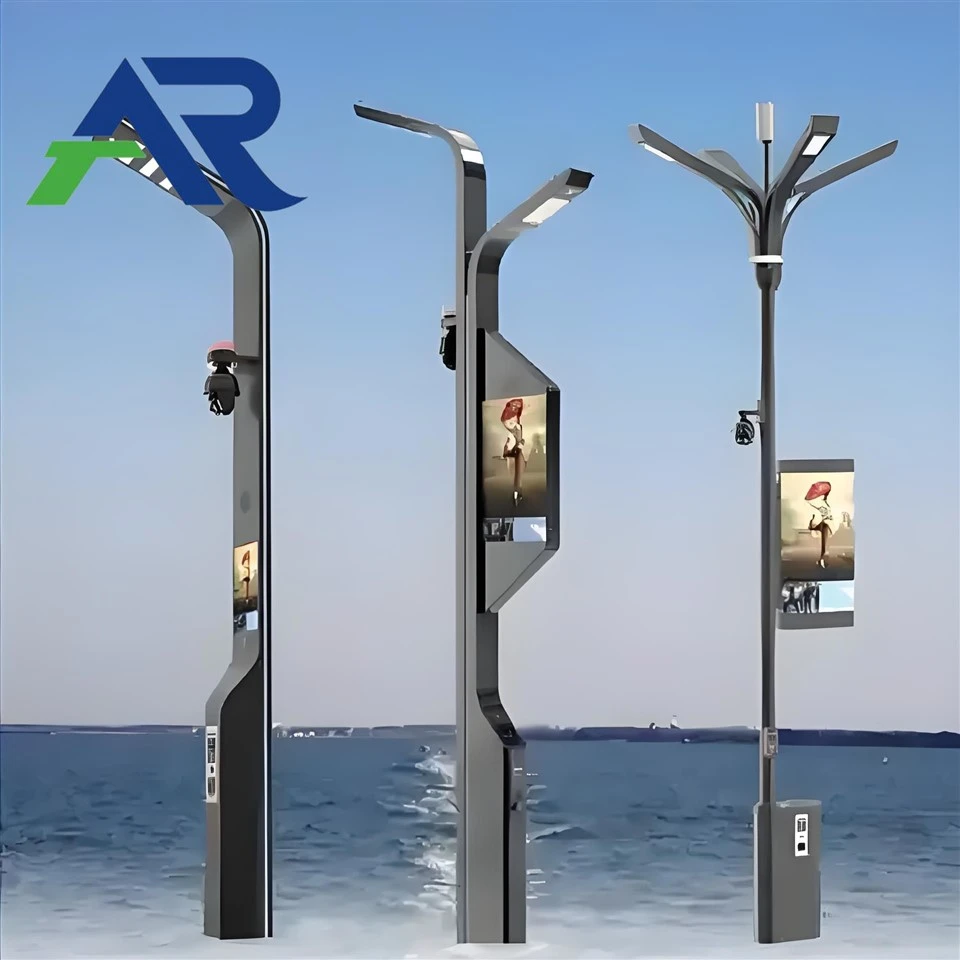
Taller poles are generally more susceptible to wind forces because they have a greater surface area exposed to the wind. The shape of the pole also plays a significant role. A cylindrical or tapered pole shape is more aerodynamic compared to a square or rectangular one, which can cause more wind drag. Our Smart Light Poles are designed with a tapered shape to minimize wind resistance and ensure stability.
Cross - Sectional Area
The cross - sectional area of the pole affects the amount of wind force it experiences. A larger cross - sectional area means more wind pressure on the pole. We optimize the cross - sectional design of our Smart Light Poles to balance strength and wind resistance. By using advanced engineering techniques, we can reduce the cross - sectional area without compromising the pole's structural integrity.
Local Wind Climate
The wind climate in a particular area is determined by factors such as geographical location, topography, and weather patterns. Areas near coastlines, mountain passes, or open plains are likely to experience higher wind speeds. When designing Smart Light Poles, we take into account the local wind climate data provided by meteorological agencies. This data helps us determine the appropriate wind resistance level for each installation site.
Standards and Regulations
In the industry, there are specific standards and regulations that Smart Light Poles must meet regarding wind resistance. These standards ensure the safety and reliability of the poles in different wind conditions.
International Standards
International standards such as ISO (International Organization for Standardization) and IEC (International Electrotechnical Commission) provide guidelines for the design and testing of electrical and structural components of Smart Light Poles. These standards cover aspects such as wind load calculations, material strength requirements, and installation procedures.
Local Building Codes
In addition to international standards, local building codes also play a crucial role in determining the wind resistance requirements for Smart Light Poles. These codes are developed based on the specific wind conditions and safety requirements of a particular region. For example, areas prone to hurricanes or typhoons may have more stringent wind load requirements. We ensure that all our Smart Light Poles comply with both international standards and local building codes.
Testing and Certification
To ensure the wind resistance of our Smart Light Poles, we conduct rigorous testing and obtain relevant certifications.
Wind Tunnel Testing
Wind tunnel testing is a common method used to evaluate the wind resistance of structures. In a wind tunnel, the Smart Light Pole is subjected to different wind speeds and directions to simulate real - world conditions. Sensors are used to measure the wind forces acting on the pole, and the data is analyzed to assess its performance. Our Smart Light Poles undergo extensive wind tunnel testing to ensure they can withstand high - wind conditions.
Certification
After successful testing, our Smart Light Poles are certified by independent testing laboratories. These certifications provide assurance to our customers that our products meet the required wind resistance standards. Certifications such as UL (Underwriters Laboratories) and CE (Conformité Européene) are recognized globally and indicate the high quality and safety of our Smart Light Poles.
Our Smart Light Pole Wind Resistance Features
Our company takes pride in offering Smart Light Poles with excellent wind resistance capabilities. Here are some of the features that contribute to the wind resistance of our products:
High - Strength Materials
We use high - strength steel and aluminum alloys in the construction of our Smart Light Poles. These materials have high tensile strength and can withstand large wind forces without deformation. The use of high - quality materials also ensures the long - term durability of the poles.
Reinforced Design
Our Smart Light Poles are designed with reinforced structures, such as internal bracing and thicker wall sections at critical points. These reinforcements enhance the pole's ability to resist wind forces and prevent structural failure.
Aerodynamic Design
As mentioned earlier, the tapered and cylindrical shape of our Smart Light Poles reduces wind drag. This aerodynamic design allows the wind to flow smoothly around the pole, minimizing the wind load on the structure.
Importance of Wind Resistance for Smart Light Poles
The wind resistance of Smart Light Poles is not only important for the safety of the poles themselves but also for the surrounding environment and public safety.
Safety of the Poles
A Smart Light Pole with poor wind resistance is at risk of toppling over during strong winds. This can cause damage to the pole, the attached equipment (such as lights, sensors, and communication devices), and nearby property. By ensuring high wind resistance, we can prevent these accidents and protect our customers' investments.
Public Safety
Toppled Smart Light Poles can pose a significant threat to public safety. They can fall on pedestrians, vehicles, or power lines, causing injuries and disruptions. Our wind - resistant Smart Light Poles are designed to stay upright even in extreme wind conditions, ensuring the safety of the public.
Reliability of Smart City Infrastructure
Smart Light Poles are an integral part of smart city infrastructure. They support various functions such as lighting, traffic monitoring, and environmental sensing. A wind - resistant pole ensures the continuous operation of these functions, contributing to the overall reliability of the smart city system.
Conclusion
In conclusion, the wind resistance level of a Smart Light Pole is determined by multiple factors, including its height, shape, cross - sectional area, and the local wind climate. Our company, as a leading supplier of Smart Light Poles, takes all these factors into account during the design and manufacturing process. We adhere to international standards and local building codes, conduct rigorous testing, and use high - quality materials and advanced design features to ensure our Smart Light Poles have excellent wind resistance capabilities.
If you are interested in purchasing Smart Light Poles, Municipal Light Poles, or want to learn more about Traffic Signal Pole Types, please feel free to contact us for a detailed discussion. We are committed to providing you with the best - quality products and professional services.
References
- International Organization for Standardization (ISO). ISO standards related to structural design and wind load calculations.
- International Electrotechnical Commission (IEC). IEC standards for electrical components of smart light poles.
- Local building codes and regulations of different regions.