

Hey there! I'm a supplier of corrugated pipes for subway passages, and today I wanna chat about the weight of these pipes per unit length. It's a topic that might seem a bit technical at first, but it's super important when it comes to planning and installing subway passage systems.
First off, let's understand what corrugated pipes for subway passages are all about. These pipes are designed to be tough and durable, able to withstand the harsh conditions underground. They're used to protect cables, ventilation systems, and sometimes even as part of the structural support in subway tunnels. The corrugation, those wavy patterns on the pipe, gives it extra strength and flexibility, which is crucial in a dynamic environment like a subway passage.
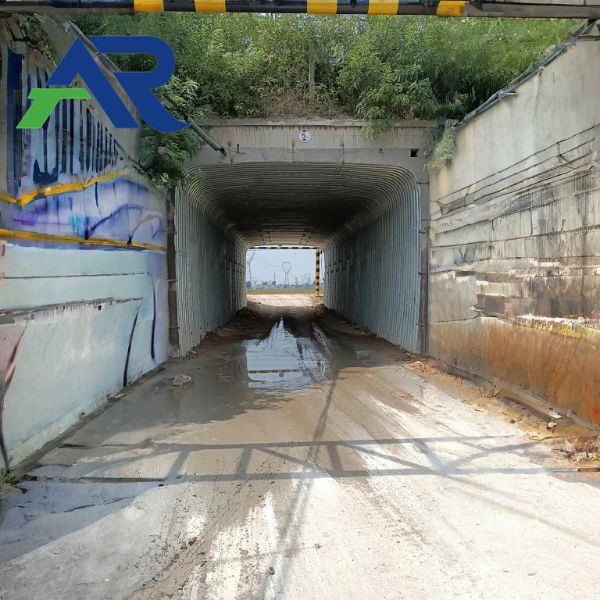
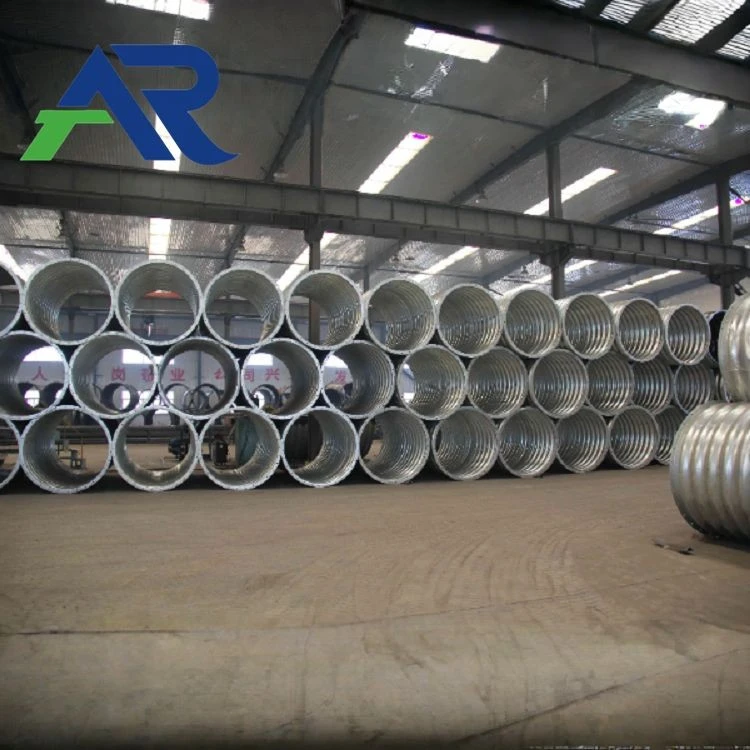
Now, the weight of these pipes per unit length isn't a one - size - fits - all kind of thing. It depends on several factors. One of the main factors is the material the pipe is made of. Most commonly, we use steel or high - density polyethylene (HDPE). Steel pipes are generally heavier but offer excellent strength and resistance to fire and mechanical damage. On the other hand, HDPE pipes are lighter, more corrosion - resistant, and easier to install.
Let's start with steel corrugated pipes. The weight of a steel corrugated pipe per unit length is mainly determined by its wall thickness, diameter, and the type of steel used. For example, a standard 1 - meter length of a small - diameter steel corrugated pipe with a relatively thin wall might weigh around 10 - 15 kilograms. But if you go for a larger diameter pipe with a thicker wall, say for a major ventilation or cable - carrying passage in a subway, that same 1 - meter length could weigh 50 kilograms or more.
The manufacturing process also plays a role. Some steel corrugated pipes are hot - dipped galvanized, which adds a layer of zinc for corrosion protection. This extra layer can increase the weight slightly. And if the pipe has additional coatings or linings for specific purposes, like fire - retardant coatings, that'll add to the weight too.
When it comes to HDPE corrugated pipes, they're much lighter. A 1 - meter length of a typical HDPE corrugated pipe used in subway passages might weigh anywhere from 2 to 5 kilograms, depending on its size and wall thickness. HDPE is a great material because it's not only lightweight but also resistant to chemicals and moisture, which are common issues in subway environments.
Why does the weight per unit length matter? Well, it has a big impact on transportation and installation. Heavier pipes are more difficult and expensive to transport. You need larger trucks and more fuel to move them from the manufacturing facility to the construction site. During installation, heavy pipes require more powerful lifting equipment and more manpower. This can slow down the construction process and increase costs.
On the other hand, lighter pipes like HDPE are easier to handle. They can be installed more quickly, which means less downtime for the subway construction project. And since they're more corrosion - resistant, they have a longer lifespan, reducing the need for frequent replacements.
As a supplier, I've seen firsthand how these weight differences can affect a project. For instance, in a recent subway expansion project, the engineers initially considered using steel corrugated pipes for all the cable - carrying passages. But after calculating the transportation and installation costs, they decided to switch to HDPE pipes for some of the smaller - diameter passages. This not only saved them money but also sped up the construction timeline.
If you're in the market for corrugated pipes for subway passages, it's important to consider the weight per unit length along with other factors like cost, durability, and installation requirements. And that's where I come in. I can help you choose the right type of pipe for your specific project needs.
Now, I also want to mention some other related products we offer. We have Wind Tower Foundation Corrugated Outer Tube, which are used in wind tower foundations. These pipes are designed to provide strong support and protection in the harsh outdoor environment. We also have Steel Urban Underground Integrated Pipeline Corridor, which are great for integrating multiple utility pipelines in urban areas. And Bridge Culvert Steel Corrugated Culvert are ideal for bridge and culvert construction projects.
If you're interested in any of these products or have questions about the weight of corrugated pipes for subway passages, feel free to reach out. I'm here to help you make the best decision for your project. Whether you're a construction company, an engineer, or a project manager, I can provide you with the right information and high - quality products.
In conclusion, understanding the weight of corrugated pipes for subway passages per unit length is crucial for successful subway construction projects. It affects everything from transportation and installation to long - term maintenance. So, don't hesitate to contact me if you need any assistance. Let's work together to make your subway project a success!
References
- "Handbook of Corrugated Pipe Engineering"
- "Materials for Underground Infrastructure: A Comparative Study"