

As a supplier of corrugated steel culverts, I often encounter inquiries about the weight of these essential infrastructure components. Understanding the weight of a corrugated steel culvert is crucial for various reasons, including transportation, installation, and structural design. In this blog post, I will delve into the factors that influence the weight of corrugated steel culverts and provide some insights to help you make informed decisions.
Factors Affecting the Weight of Corrugated Steel Culverts
1. Diameter and Size
The diameter and overall size of a corrugated steel culvert are primary determinants of its weight. Larger culverts with greater diameters require more material to construct, resulting in increased weight. For instance, a culvert with a diameter of 3 feet will generally weigh less than one with a diameter of 6 feet. The length of the culvert also plays a significant role; a longer culvert will naturally be heavier than a shorter one of the same diameter.
2. Wall Thickness
The thickness of the steel used in the construction of the culvert is another critical factor. Thicker walls provide greater strength and durability but also add to the weight. Manufacturers typically offer corrugated steel culverts in various wall thicknesses to meet different engineering requirements. For applications where high strength is needed, such as in areas with heavy traffic or large amounts of soil cover, a culvert with a thicker wall may be specified.
3. Corrugation Profile
The corrugation profile of the steel culvert affects its weight as well. Different corrugation patterns and depths can be used, each with its own impact on the overall weight. Deeper corrugations generally result in a stronger culvert but may also increase the weight. The pitch and shape of the corrugations can also influence the weight distribution and structural performance of the culvert.
4. Coating and Finish
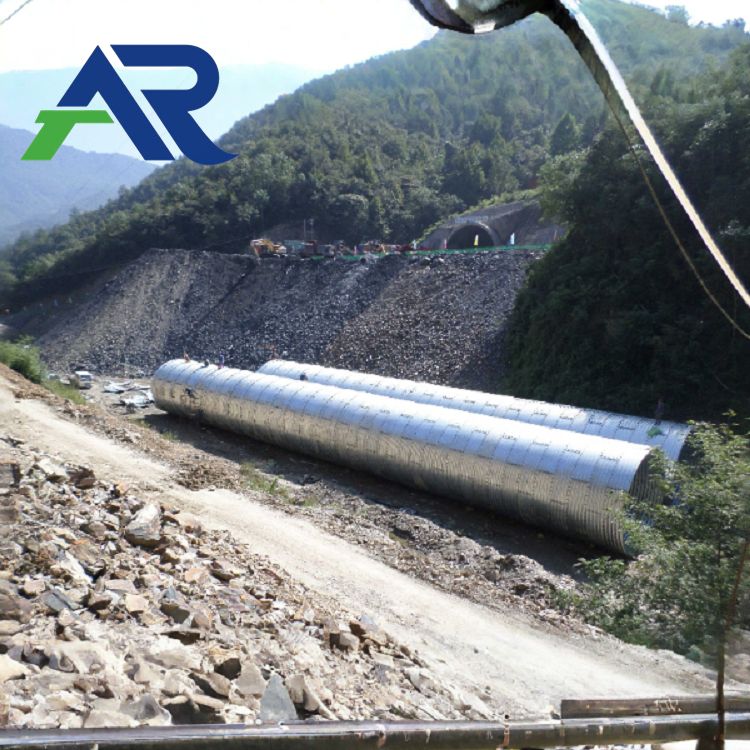
Many corrugated steel culverts are coated or finished to protect against corrosion and extend their service life. The type and thickness of the coating can add to the weight of the culvert. For example, a culvert with a heavy - duty galvanized coating will weigh more than an uncoated one. Some culverts may also have additional polymer or epoxy coatings, which can further increase the weight.

Calculating the Weight of Corrugated Steel Culverts
Calculating the exact weight of a corrugated steel culvert can be complex due to the factors mentioned above. However, manufacturers often provide weight tables or calculators based on standard sizes and specifications. These resources can give you a good estimate of the weight of a particular culvert.
The basic formula for calculating the weight of a steel structure involves multiplying the volume of the steel by its density. For a corrugated steel culvert, the volume calculation is more complicated because of the corrugation. The volume of the steel in the culvert can be approximated by considering the average cross - sectional area of the steel and the length of the culvert.
The density of steel is approximately 7850 kg/m³. Once you have calculated the volume of the steel in the culvert, you can multiply it by the density to obtain the weight. For example, if you have a culvert with a volume of 0.5 m³, the weight would be 0.5 m³×7850 kg/m³ = 3925 kg.
Importance of Knowing the Weight
1. Transportation
Knowing the weight of the corrugated steel culvert is essential for transportation planning. Heavy culverts may require specialized equipment and vehicles for transport. Overweight loads may also be subject to additional regulations and permits. By accurately estimating the weight, you can ensure that the transportation process is safe and compliant with local laws.
2. Installation
During installation, the weight of the culvert affects the equipment needed for lifting and placing it in the desired location. Cranes or other heavy - lifting machinery must be capable of handling the weight of the culvert. Incorrectly estimating the weight can lead to equipment failures or safety hazards during installation.
3. Structural Design
In structural design, the weight of the culvert is considered along with other loads, such as soil pressure, live loads from traffic, and environmental forces. Engineers need to ensure that the foundation and surrounding soil can support the weight of the culvert and any additional loads. A proper understanding of the culvert's weight is crucial for designing a stable and long - lasting structure.
Our Product Offerings
As a leading supplier of corrugated steel culverts, we offer a wide range of products to meet diverse customer needs. Our Steel Corrugated Culvert is available in various diameters, wall thicknesses, and corrugation profiles. We can customize the culverts according to your specific requirements, ensuring that you get the right product for your project.
In addition to standard culverts, we also provide Corrugated Pipe for Coal Mine Corridor. These pipes are designed to withstand the harsh conditions in coal mines, including high pressures and corrosive environments. Our Steel Urban Underground Integrated Pipeline Corridor is another innovative product that offers a cost - effective and efficient solution for urban infrastructure projects.
Contact Us for Procurement
If you are in need of corrugated steel culverts for your project, we invite you to contact us for procurement and further discussion. Our team of experts is ready to assist you in selecting the right product, providing accurate weight estimates, and answering any questions you may have. We are committed to delivering high - quality products and excellent customer service.
References
- "Steel Construction Manual" by the American Institute of Steel Construction.
- "Design and Construction of Corrugated Steel Pipe Culverts" by the Federal Highway Administration.
- "Corrugated Steel Structures: Design and Installation" by industry research reports.