

As an iron tower supplier, I'm often asked about the surface treatment of iron towers. Surface treatment is a crucial step in the manufacturing process of iron towers, as it not only enhances the appearance of the towers but also significantly improves their durability and resistance to various environmental factors. In this blog, we'll delve into what surface treatment of an iron tower entails, why it's important, and the different methods commonly used.
Why is Surface Treatment Important for Iron Towers?
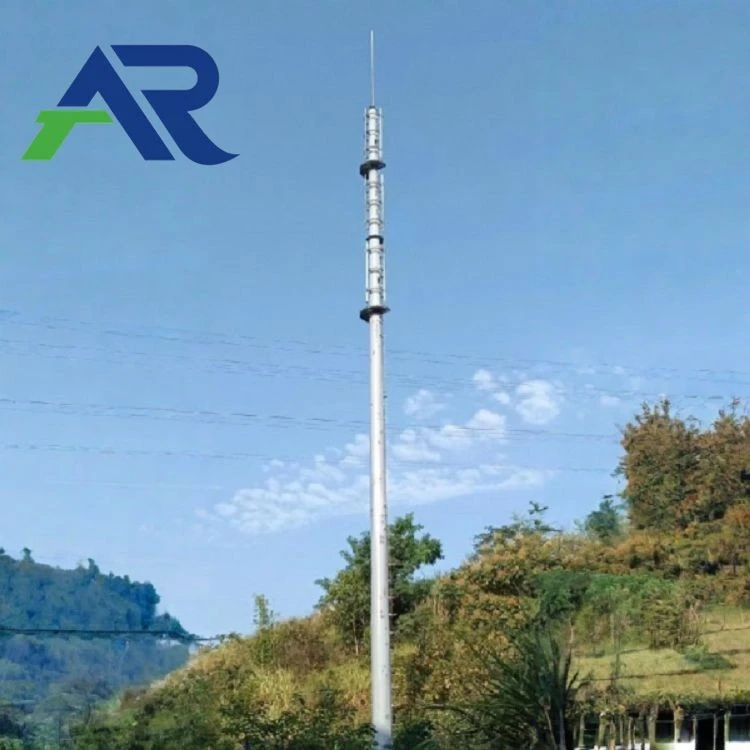
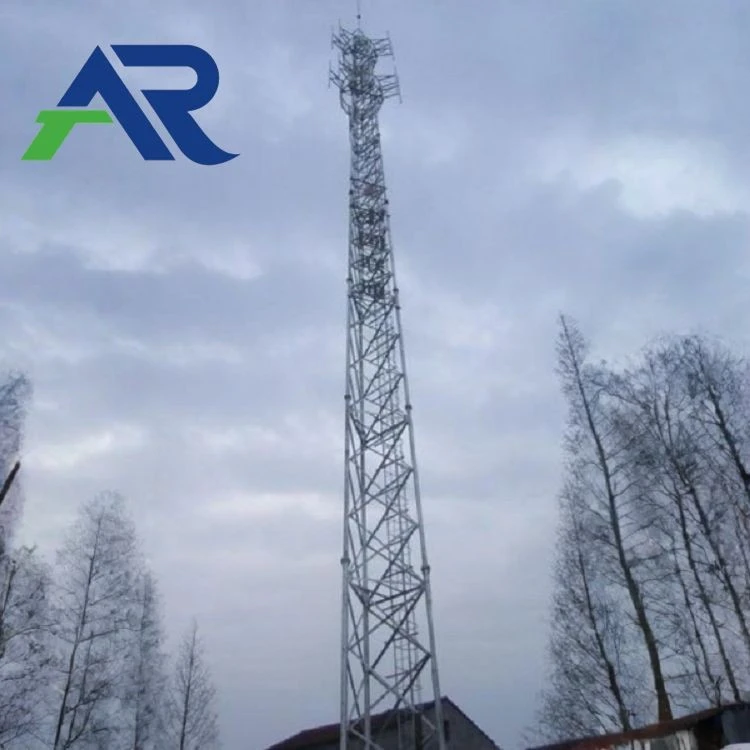
Iron towers are commonly used in a variety of applications, including Communication Tower Building and Industrial Iron Towers. These structures are constantly exposed to the elements, such as rain, wind, sunlight, and humidity. Without proper surface treatment, iron towers are susceptible to corrosion, rust, and other forms of damage, which can weaken the structure over time and pose safety risks.
Surface treatment serves several key purposes:
- Corrosion Protection: The primary function of surface treatment is to protect the iron from corrosion. Corrosion occurs when iron reacts with oxygen and moisture in the air, forming iron oxide (rust). A good surface treatment creates a barrier between the iron and the environment, preventing or slowing down the corrosion process.
- Enhanced Aesthetics: Surface treatment can improve the visual appeal of iron towers. Whether it's a smooth finish or a specific color coating, a well - treated iron tower can blend in better with its surroundings or meet certain design requirements.
- Increased Durability: By protecting against corrosion and other forms of damage, surface treatment extends the lifespan of the iron tower. This reduces the need for frequent repairs and replacements, making it a more cost - effective solution in the long run.
Common Surface Treatment Methods for Iron Towers
Galvanizing
Galvanizing is one of the most widely used surface treatment methods for iron towers. It involves coating the iron with a layer of zinc, which acts as a sacrificial anode. When the zinc comes into contact with water and oxygen, it corrodes instead of the iron, protecting the underlying metal.
There are two main types of galvanizing: hot - dip galvanizing and electro - galvanizing.
- Hot - Dip Galvanizing: In hot - dip galvanizing, the iron tower is immersed in a bath of molten zinc at a temperature of around 450°C. This process creates a thick, durable zinc coating that tightly adheres to the iron surface. The zinc coating not only provides excellent corrosion protection but also has good mechanical properties, making it resistant to abrasion during handling and installation.
- Electro - Galvanizing: Electro - galvanizing is a process that uses an electric current to deposit a thin layer of zinc onto the iron surface. This method is more suitable for achieving a precise and uniform coating thickness, and it is often used for parts that require a smooth and aesthetically pleasing finish. However, the zinc coating produced by electro - galvanizing is generally thinner than that of hot - dip galvanizing, so it may not provide as long - term corrosion protection in harsh environments.
Painting
Painting is another common surface treatment method for iron towers. It involves applying one or more layers of paint to the iron surface to create a protective and decorative coating.
- Primer Coat: The first step in the painting process is usually the application of a primer. The primer serves as a bonding agent between the iron and the topcoat, and it also provides some level of corrosion protection. There are different types of primers available, such as epoxy primers, which are known for their excellent adhesion and corrosion resistance.
- Topcoat: After the primer has dried, a topcoat is applied. The topcoat can be chosen based on the desired appearance and performance. For example, polyurethane coatings are often used for their high gloss, color retention, and durability, while silicone - modified acrylic coatings offer good weather resistance.
One of the advantages of painting is that it allows for a wide range of colors and finishes, which can be customized to meet the specific requirements of the project. However, painting requires regular maintenance, as the paint may chip, peel, or fade over time, especially in harsh environmental conditions.
Powder Coating
Powder coating is a relatively modern surface treatment method that has gained popularity in recent years. It involves applying a dry powder to the iron surface, which is then heated to melt and fuse the powder into a continuous coating.
- Application Process: The powder is typically applied using an electrostatic spray gun, which charges the powder particles and causes them to adhere to the grounded iron surface. Once the powder is applied, the iron tower is placed in an oven, where the powder melts and forms a smooth, hard coating.
- Benefits: Powder coating offers several benefits, including excellent corrosion resistance, high durability, and a wide range of color options. It is also more environmentally friendly than traditional painting methods, as it does not require the use of solvents.
Factors Affecting Surface Treatment Selection
When selecting a surface treatment method for an iron tower, several factors need to be considered:
- Environmental Conditions: The location and environment where the iron tower will be installed play a crucial role in determining the appropriate surface treatment. For example, towers installed in coastal areas or industrial settings are more exposed to salt spray and pollutants, respectively, and may require a more corrosion - resistant treatment such as hot - dip galvanizing.
- Budget: Different surface treatment methods have different costs associated with them. Galvanizing, for example, may have a higher upfront cost but can offer long - term savings due to its durability. Painting and powder coating may be more cost - effective in the short term but may require more frequent maintenance.
- Aesthetic Requirements: If the appearance of the iron tower is an important factor, the surface treatment method should be chosen accordingly. Painting and powder coating offer a greater variety of color and finish options compared to galvanizing.
Conclusion
Surface treatment of iron towers is a vital aspect of their manufacturing and maintenance. Whether it's galvanizing, painting, or powder coating, each method has its own advantages and is suitable for different applications and requirements. As an iron tower supplier, we understand the importance of providing high - quality surface - treated iron towers that can withstand the test of time and environmental challenges.
If you are in the market for Iron Towers for your communication or industrial projects, we are here to help. Our team of experts can assist you in selecting the most appropriate surface treatment method based on your specific needs and budget. Contact us today to start a discussion about your procurement requirements and let's work together to find the best solution for your iron tower needs.
References
- "Corrosion Protection of Steel Structures by Hot - Dip Galvanizing", International Zinc Association.
- "Powder Coating Technology", Society of Manufacturing Engineers.
- "Painting and Coating of Steel Structures", American Institute of Steel Construction.