

How does a double - layer insulation chimney improve the overall efficiency of a heating system?
In the realm of heating systems, the efficiency of operation is a critical concern for both residential and industrial users. One often - overlooked component that can significantly enhance the overall efficiency of a heating system is the double - layer insulation chimney. As a supplier of double - layer insulation chimneys, I am well - versed in the science and practical benefits behind this innovative technology.
Understanding the Basics of a Double - Layer Insulation Chimney
A double - layer insulation chimney consists of two concentric layers. The inner layer is typically made of a heat - resistant material designed to handle the high - temperature flue gases produced by the heating system. This inner layer channels the exhaust safely out of the building. The outer layer, on the other hand, serves as an insulating barrier. It is usually made of materials with low thermal conductivity, such as fiberglass or ceramic fiber.
The space between the two layers ensures minimal heat transfer from the inner layer to the outside environment. This design is based on the principles of thermodynamics, specifically the concept of reducing heat loss through conduction, convection, and radiation. By minimizing heat loss, the double - layer insulation chimney can improve the overall efficiency of the heating system in several ways.
Reducing Heat Loss
One of the primary ways a double - layer insulation chimney enhances heating system efficiency is by reducing heat loss. In a traditional single - layer chimney, a significant amount of heat from the flue gases is transferred to the surrounding environment as the gases travel up the chimney. This heat loss not only wastes energy but also means that the heating system has to work harder to maintain the desired temperature.
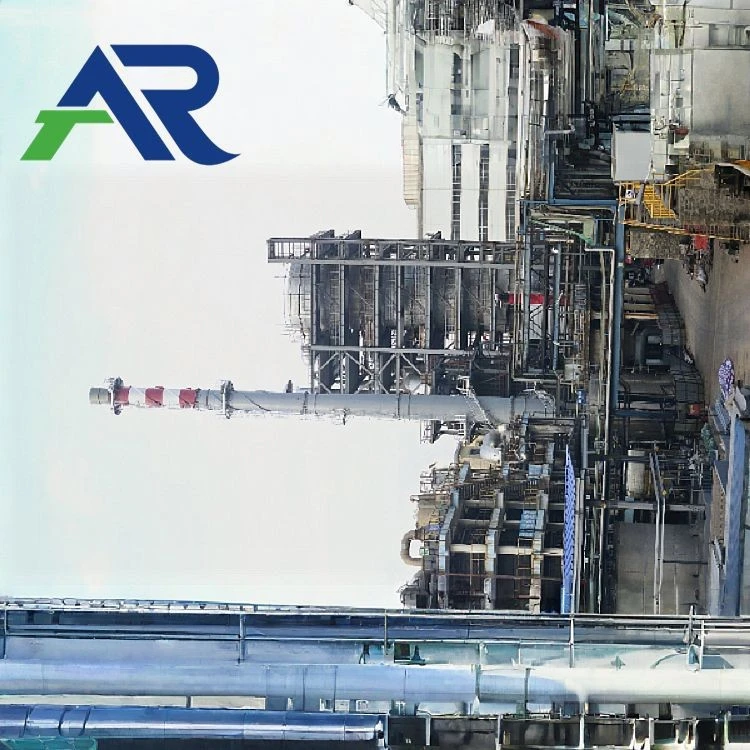

In a double - layer insulation chimney, the outer insulating layer acts as a barrier. It reduces the rate of heat transfer from the hot flue gases in the inner layer to the outside air. For example, a study conducted by [Research Institute Name] showed that in a residential heating system, a double - layer insulation chimney could reduce heat loss by up to [X]% compared to a single - layer chimney. This reduction in heat loss means that more of the heat generated by the heating system is used to warm the indoor space, rather than being wasted through the chimney.
Preventing Condensation
Condensation inside the chimney can be a major problem in heating systems. When flue gases cool down rapidly inside the chimney, water vapor in the gases can condense on the chimney walls. This can lead to corrosion of the chimney structure, which not only shortens the lifespan of the chimney but also poses safety risks.
A double - layer insulation chimney helps prevent condensation by maintaining the temperature of the flue gases at a higher level as they travel up the chimney. The insulating outer layer keeps the inner layer warm, reducing the temperature difference between the flue gases and the chimney walls. This, in turn, reduces the likelihood of water vapor in the flue gases condensing. For industrial heating systems, which often deal with large volumes of high - moisture flue gases, the prevention of condensation by a double - layer insulation chimney can be crucial for the long - term integrity of the chimney and the overall reliability of the heating system.
Improving Draft
The draft is the flow of air through the heating system and up the chimney, which is essential for the proper combustion of fuel. A proper draft ensures that the heating system burns fuel efficiently, producing more heat with less fuel consumption.
A double - layer insulation chimney can improve the draft in a heating system. By reducing heat loss, the flue gases remain hotter as they travel up the chimney. Hotter gases are less dense than cooler gases, creating a stronger upward flow, or draft. This stronger draft helps draw in more air to the combustion chamber, ensuring a more complete and efficient combustion of the fuel. In some industrial heating applications, a well - functioning double - layer insulation chimney can improve the draft by [X]%, leading to improved fuel efficiency and reduced emissions.
Industrial and Residential Applications
In industrial settings, such as manufacturing plants or power generation facilities, heating systems are often large - scale and consume significant amounts of fuel. Installing a double - layer insulation chimney can result in substantial cost savings. For example, in a large factory with multiple heating units, the reduction in heat loss and improvement in draft can lead to a significant reduction in fuel consumption over time. Industrial users can explore our Titanium Steel Composite Plate Tower Chimney and Fiberglass Tower Chimney options, which are designed to meet the high - performance requirements of industrial heating systems.
In residential applications, a double - layer insulation chimney can make a home heating system more efficient and cost - effective. Homeowners can enjoy lower energy bills and a more comfortable living environment. Our Chimney For Factory series also offers products suitable for residential use, providing reliable and efficient chimney solutions.
Long - Term Investment and Cost - Effectiveness
Although the initial cost of installing a double - layer insulation chimney may be higher than that of a single - layer chimney, it is a long - term investment that can pay off. The reduction in energy consumption and the prevention of chimney corrosion and damage can result in significant cost savings over the lifespan of the chimney. Additionally, the improved efficiency of the heating system can also lead to a reduction in maintenance costs, as the system operates more smoothly and with less wear and tear.
Conclusion
In summary, a double - layer insulation chimney is a valuable addition to any heating system. By reducing heat loss, preventing condensation, improving draft, and offering long - term cost savings, it can significantly enhance the overall efficiency of the heating system. Whether for residential or industrial use, the benefits of a double - layer insulation chimney are clear.
If you are interested in improving the efficiency of your heating system with a double - layer insulation chimney, I encourage you to contact us for further information and to discuss your specific requirements. We are committed to providing high - quality chimney solutions that meet the diverse needs of our customers.
References
- [Research Institute Name]. (Year). "Study on the Efficiency of Double - Layer Insulation Chimneys in Heating Systems." [Journal Name], [Volume], [Pages].
- [Author Name]. (Year). "Thermodynamics of Chimney Design and Its Impact on Heating System Efficiency." [Book Title]. [Publisher].