

Yo, what's up everyone! As a supplier of Electric Power Towers, I've seen firsthand the crucial role that tower foundations play in keeping these structures stable. Today, I'm gonna break it down for you, so you can understand why these foundations are the unsung heroes of the power tower world.
Let's start with the basics. Electric power towers are these massive structures that carry high - voltage power lines across long distances. They're like the highways in the sky for electricity. But just like a highway needs a solid base, these towers need a strong foundation to stand tall and do their job.
The main function of a tower foundation is to transfer the loads from the tower to the ground. These loads can be pretty hefty. There's the self - weight of the tower itself, which is a lot, especially when you consider the size and the materials used. Then, there are the forces from the power lines attached to the tower. The tension in these lines can be extreme, and the foundation has to be able to handle that pull.
Another important factor is the environmental loads. Wind is a biggie. Strong winds can push against the tower, creating a lateral force. Think about it like when you try to push a big pole; it wants to tip over. The foundation stops the tower from doing that. In areas prone to hurricanes or strong gusts, the foundation has to be even more robust.
There are also loads from ice and snow. In cold regions, ice can build up on the power lines and the tower itself. This adds a significant amount of extra weight that the foundation has to support. Sometimes, the ice can be so heavy that it can cause problems if the foundation isn't up to the task.
Now, let's talk about the different types of tower foundations. One common type is the spread foundation. It's pretty much what it sounds like. The load is spread out over a large area of the ground. This type of foundation works well when the soil beneath has good bearing capacity. It's kind of like sitting on a big, wide chair instead of a tiny stool; it's more stable.
Another type is the pile foundation. Piles are long, slender columns that are driven into the ground. This type of foundation is used when the soil near the surface is soft or unstable. The piles transfer the load down to a more stable layer of soil or rock deeper underground. It's like pushing a stake into the ground to hold up a tent; it gives the tower a solid anchor.
There's also the drilled shaft foundation. This foundation is made by drilling a large - diameter hole into the ground and then filling it with concrete. It's great for areas with variable soil conditions because it can be adjusted to fit the specific requirements of the site.
As a supplier of Electric Power Towers, I often work closely with engineers to ensure that the right foundation is chosen for each project. We take into account a bunch of factors, like the soil type, the local climate, and the tower's design. It's a team effort to make sure everything is just right for long - term stability.
You might be wondering how we test the foundations to make sure they're up for the job. Well, there are a few methods. One common way is through load testing. We apply a known load to the foundation and measure how it responds. This helps us make sure that the foundation can handle the expected loads without excessive settlement or failure.
We also use geotechnical investigations. This involves taking soil samples from the construction site and analyzing them in a lab. This gives us information about the soil's properties, like its strength and compressibility. With this data, we can design the foundation more accurately.
So, why do all these matter to you? If you're involved in the power industry, whether you're a utility company, a contractor, or someone else, having a stable power tower is crucial. A stable tower means less downtime due to tower failures. And let's face it, power outages are no fun for anyone. They can disrupt businesses, homes, and even essential services.
If you're in the market for link to Electrical Tower, you need to consider the quality of the foundation. A well - designed and constructed foundation can save you a ton of money in the long run by reducing maintenance costs and the risk of expensive tower failures.
Our company specializes in providing high - quality Electric Power Towers with the best foundations. We understand that link to Iron Towers are a long - term investment, and we want to make sure that you get the most out of that investment.
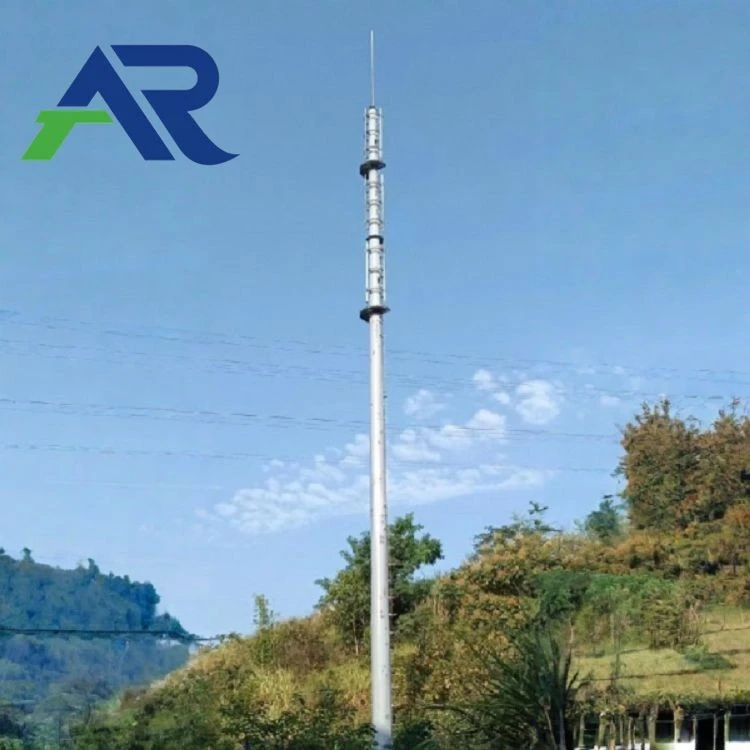
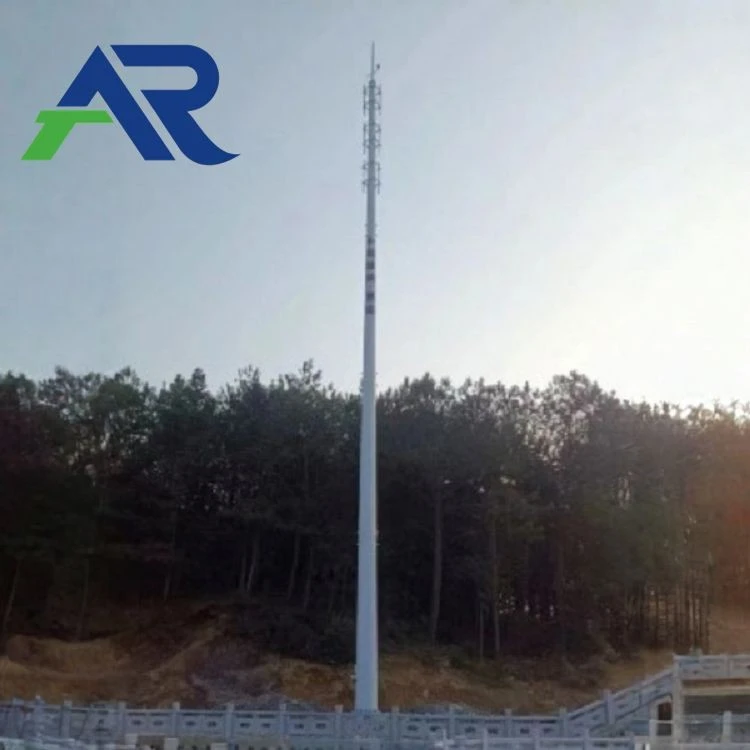
We also offer link to Communication Tower Building solutions. Communication towers, like power towers, rely on strong foundations for stability. Whether it's for a small - scale mobile phone network or a large - scale communication system, we've got the expertise to make sure the foundation is right.
If you're interested in learning more about our Electric Power Towers or have a project in mind, don't hesitate to reach out. We're here to help you with all your tower needs, from design to installation. We can work with you to choose the best foundation for your specific site and requirements.
In conclusion, tower foundations are the backbone of electric power towers. They're what keep these structures standing upright and functioning properly. Whether it's dealing with the self - weight of the tower, the forces from the power lines, or the environmental loads, a good foundation is essential. So, if you're looking for a reliable Electric Power Tower supplier, make sure to consider the foundation quality.
References
- Foundation Design for Transmission Line Structures, ASCE Manuals and Reports on Engineering Practice No. 104
- Geotechnical Engineering Handbook, edited by H. Y. Fang