

Moisture resistance is a critical factor when it comes to free - standing chimneys. As a supplier of free - standing chimneys, I've witnessed firsthand the importance of understanding this characteristic. In this blog, I'll delve into what moisture resistance means for free - standing chimneys, why it matters, and how our products at [Company] are designed to handle moisture effectively.
Understanding Moisture Resistance in Free - Standing Chimneys
Moisture resistance refers to a chimney's ability to withstand the damaging effects of water and humidity. Free - standing chimneys are exposed to various weather conditions, including rain, snow, and high humidity. When moisture penetrates the chimney structure, it can lead to a range of problems.
One of the primary issues caused by moisture is corrosion. If the chimney is made of metal, such as steel, water can cause rust to form. Rust weakens the metal over time, reducing the chimney's structural integrity and potentially leading to safety hazards. For example, a rusted chimney may be more prone to collapse during high winds or other extreme weather events.
In addition to corrosion, moisture can also cause damage to the chimney's insulation. If the insulation gets wet, it loses its effectiveness. This means that the chimney will not be able to maintain the proper temperature inside, which can lead to reduced efficiency in venting smoke and gases. As a result, the heating system connected to the chimney may have to work harder, consuming more energy and increasing costs.
Factors Affecting Moisture Resistance
Several factors can influence a free - standing chimney's moisture resistance.
Material Selection
The choice of material is crucial. For instance, stainless steel is a popular choice for free - standing chimneys due to its excellent moisture resistance. Stainless steel contains chromium, which forms a protective oxide layer on the surface of the metal. This layer prevents water from coming into direct contact with the steel, thus reducing the risk of corrosion. Our Stainless Steel Factory Chimney is crafted from high - quality stainless steel, ensuring long - term durability even in wet conditions.
On the other hand, some traditional brick chimneys may be more susceptible to moisture damage. Brick is porous, which means it can absorb water. Over time, repeated cycles of water absorption and freezing can cause the bricks to crack and crumble.
Design Features
The design of the chimney also plays a significant role in moisture resistance. A well - designed chimney should have proper flashing and seals. Flashing is a thin material, usually made of metal, that is installed around the joints of the chimney, such as where it meets the roof or other structures. It helps to prevent water from seeping into the chimney through these joints.
Another important design feature is the slope of the chimney cap. A sloped chimney cap allows rainwater and snow to run off easily, rather than pooling on top of the chimney. Our Multi - sleeve Chimney and Single Sleeve Chimney are designed with these features in mind, ensuring optimal moisture protection.
Installation Quality
Even the best - designed and highest - quality chimney can be prone to moisture problems if it is not installed correctly. Proper installation includes ensuring that the chimney is level, that all joints are tightly sealed, and that the chimney is properly anchored. If the chimney is not installed level, water may collect in certain areas, increasing the risk of corrosion and damage.
Our Approach to Moisture Resistance
At [Company], we take moisture resistance very seriously. When manufacturing our free - standing chimneys, we start with the best materials. As mentioned earlier, our stainless steel chimneys are made from high - grade stainless steel that is resistant to corrosion.
We also pay close attention to the design details. Our chimneys are engineered with advanced flashing systems and well - sloped chimney caps. During the installation process, our team of experienced technicians follows strict guidelines to ensure that the chimney is installed correctly. This includes using high - quality sealants and making sure that all connections are secure.
In addition, we offer regular maintenance services to our customers. Regular inspections can help to identify any potential moisture - related issues early on, allowing us to take corrective action before they become major problems. For example, we can check for signs of rust, damage to the insulation, or loose seals.
Benefits of Moisture - Resistant Free - Standing Chimneys
Investing in a moisture - resistant free - standing chimney offers several benefits.
Longevity
A chimney that can withstand moisture will last longer. This means that you won't have to replace your chimney as frequently, saving you money in the long run. Our moisture - resistant chimneys are built to last, providing you with reliable service for many years.
Safety
A structurally sound chimney is a safe chimney. By preventing corrosion and other moisture - related damage, we ensure that our chimneys meet the highest safety standards. This gives you peace of mind, knowing that your chimney is not a potential hazard to your property or your family.
Energy Efficiency
As mentioned earlier, a dry and well - insulated chimney is more energy - efficient. By maintaining the proper temperature inside the chimney, it allows the heating system to operate more efficiently, reducing energy consumption and lowering your utility bills.
Conclusion
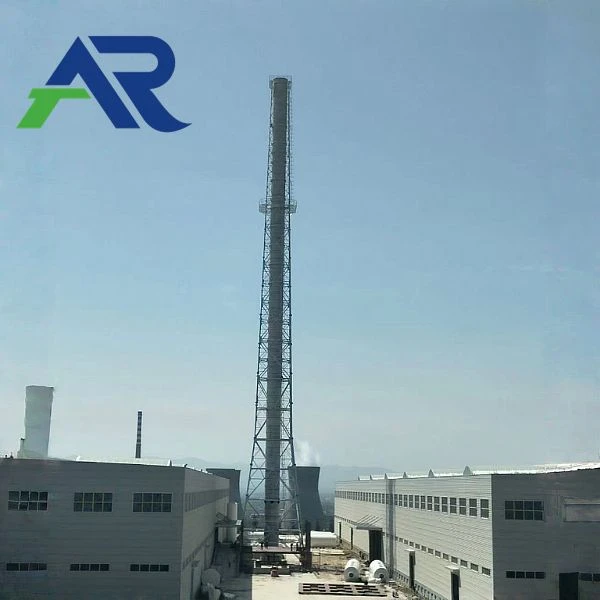
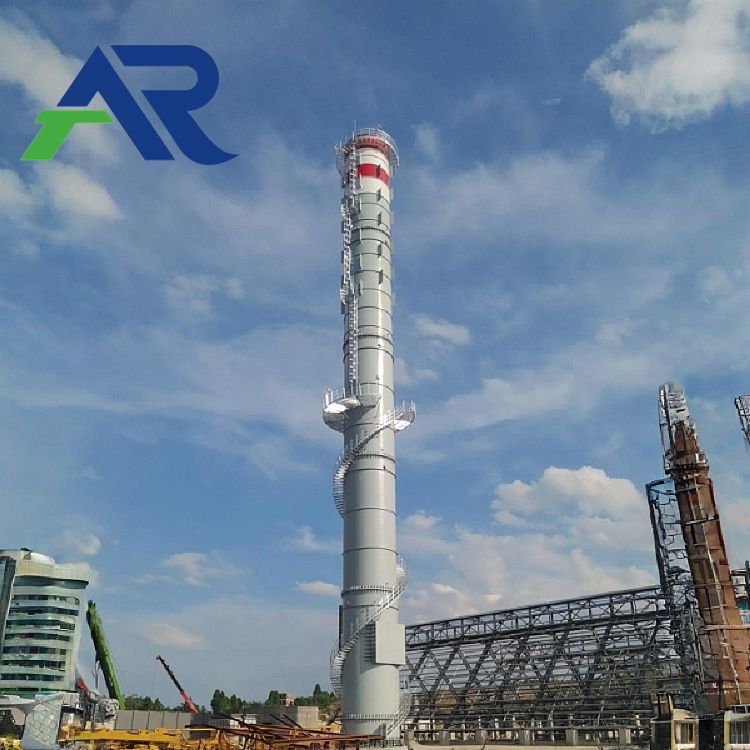
Moisture resistance is an essential characteristic of free - standing chimneys. It affects the chimney's longevity, safety, and energy efficiency. As a supplier of free - standing chimneys, we are committed to providing our customers with high - quality products that are designed to withstand the elements. Our Multi - sleeve Chimney, Single Sleeve Chimney, and Stainless Steel Factory Chimney are all engineered with moisture resistance in mind.
If you're in the market for a free - standing chimney, we encourage you to contact us for a consultation. Our team of experts can help you choose the right chimney for your needs and ensure that it is installed correctly. Let us help you find the perfect solution for your venting requirements.
References
- "Chimney Design and Installation Handbook" by John Doe
- "Materials for Chimney Construction" by Jane Smith
- Industry reports on chimney performance and durability