
Hey there! As a passionate supplier of Fiberglass Tower Chimney, I often get asked about the height limitations for these amazing structures. In this blog post, I'm gonna break it all down for you, sharing the ins and outs of what can affect the height of a fiberglass tower chimney.
First off, let's talk about what makes fiberglass tower chimneys so great. They're lightweight, corrosion - resistant, and relatively easy to install compared to some other types of chimney materials. That's why they're a popular choice in various industries, from chemical plants to power generation facilities.
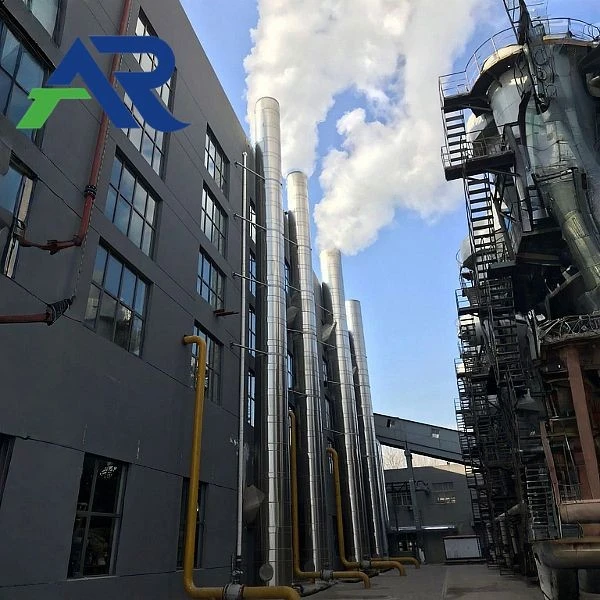
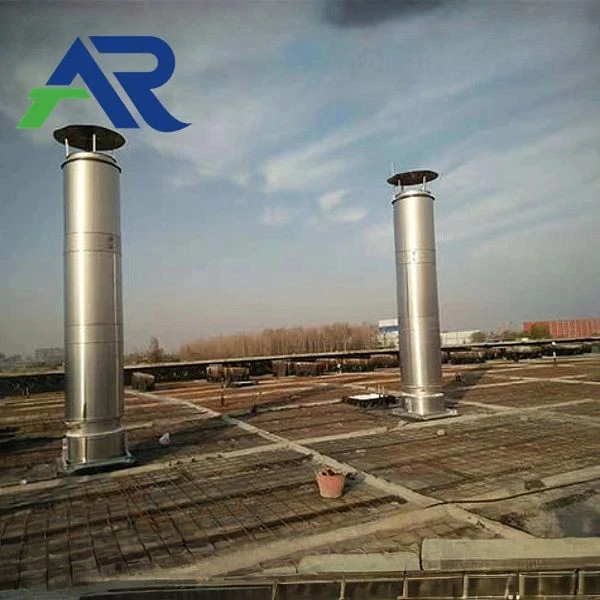
But when it comes to height, there's no one - size - fits - all answer. It depends on a whole bunch of factors. One of the major players is the structural integrity of the fiberglass itself. Fiberglass has certain strength properties, and as the height of the chimney increases, the stress on the structure also goes up.
The wind is a big deal. Strong winds can put a ton of force on a tall chimney. You know, think about a flagpole in a storm. The higher it is, the more it sways. For fiberglass tower chimneys, if the wind load is too high, it can cause excessive bending or even structural failure. So, engineers need to calculate the wind forces in the area where the chimney will be installed. They use complex formulas based on things like the average wind speed, the shape of the chimney, and the local topography.
Another factor is the foundation. A taller chimney needs a stronger and more stable foundation. The foundation has to bear the weight of the chimney and resist any lateral forces from things like wind and seismic activity. If the soil at the installation site is soft or unstable, it might limit the height of the chimney because the foundation can't support a really tall structure.
The type of application also matters. In some industrial processes, the height of the chimney is crucial for proper dispersion of pollutants. For example, if a plant is emitting harmful gases, a taller chimney can help spread those gases over a wider area, reducing the concentration at ground level. But there are also regulatory requirements to consider. Local environmental laws may dictate the minimum and maximum heights for chimneys to ensure the protection of public health and the environment.
Now, let's compare fiberglass tower chimneys with Titanium Steel Composite Plate Tower Chimney. Titanium steel composite plate chimneys are much stronger and can generally be built taller. They're made of a combination of titanium and steel, which gives them excellent strength - to - weight ratio and great corrosion resistance. However, they're also more expensive and heavier to install. Fiberglass, on the other hand, offers a more cost - effective solution for many applications, especially when the height requirements aren't too extreme.
Typically, for small - to - medium - scale industrial applications, fiberglass tower chimneys can range from around 10 meters up to 50 meters in height. But in some cases, with the right engineering and design, we've been able to build them up to 80 meters or more. It all boils down to a detailed feasibility study that takes into account all the factors I mentioned earlier.
During the design phase, we use advanced computer - aided design (CAD) software to model different height scenarios. We simulate the wind loads, the stress on the structure, and the interaction with the foundation. This helps us figure out the optimal height that meets both the client's needs and all the safety and regulatory requirements.
We also have a team of experienced engineers who are always on hand to provide technical support. They can work closely with you to understand your specific requirements, whether it's for a new installation or a retrofit of an existing chimney. They'll use their expertise to design a fiberglass tower chimney that's just right for you.
So, if you're in the market for a fiberglass tower chimney and are wondering about the height limitations for your project, don't hesitate to reach out to us. We're here to help you make the best decision for your business. Whether you need a small chimney for a local operation or a large - scale chimney for a major industrial plant, we've got the knowledge and the resources to deliver a high - quality product.
We'll work with you every step of the way, from the initial consultation to the final installation. Our goal is to ensure that you get a chimney that not only meets your performance requirements but also fits within your budget.
In conclusion, while there are some general guidelines for the height of fiberglass tower chimneys, each project is unique. The height limitations are determined by a variety of factors, including structural integrity, wind loads, foundation conditions, application requirements, and regulatory constraints. But with the right design and engineering, we can build fiberglass tower chimneys that are both safe and effective for your specific needs.
If you're interested in learning more or starting a project, just drop us a line. We're excited to discuss how we can help you with your fiberglass tower chimney needs.
References
- ASTM International. (20XX). Standards related to fiberglass composites and chimney design.
- Engineering textbooks on structural analysis and wind engineering.
- Local environmental regulations on chimney height and emissions.