

As a supplier of factory chimneys, I've spent a significant amount of time researching and understanding the various aspects related to these industrial structures. One of the most crucial concerns that always comes up is the fire risk associated with factory chimneys. In this blog, I'll delve into the details of what these risks are, why they matter, and how we can mitigate them.
Understanding the Basics of Factory Chimneys
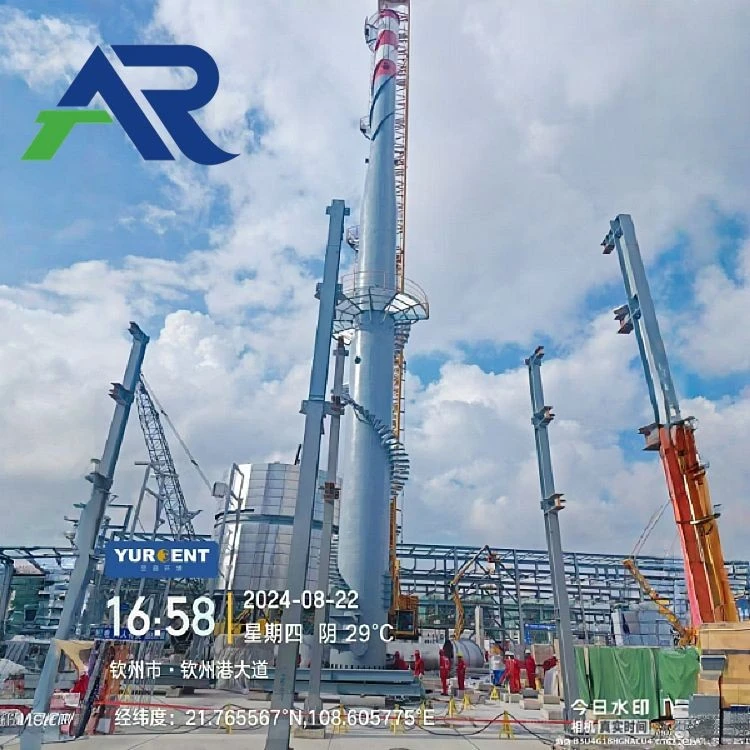
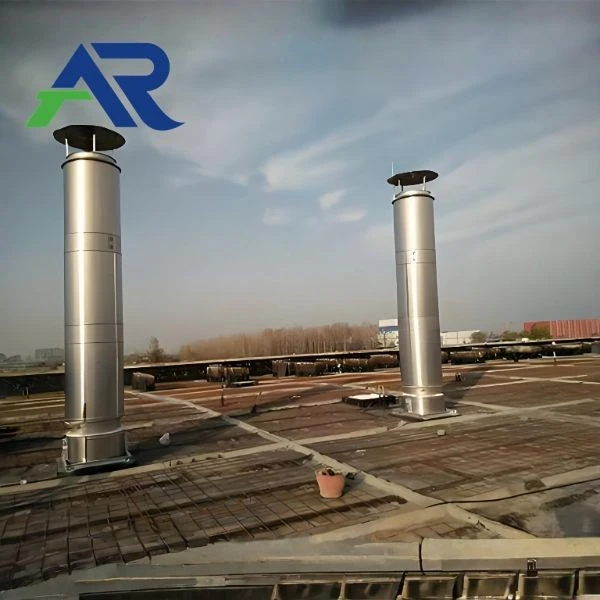
Factory chimneys are essential components of industrial facilities. They serve the vital function of removing waste gases, smoke, and particulate matter from the factory environment and releasing them into the atmosphere. There are different types of factory chimneys available in the market, each with its own set of features and applications. For instance, the Corrugated Pipe Chimney is known for its flexibility and ease of installation, making it suitable for various industrial setups. The Factory Built Chimney is pre - fabricated, ensuring high - quality construction and faster installation times. And the Double - layer Insulation Chimney provides excellent thermal insulation, which can be beneficial in certain industrial processes.
Sources of Fire Risk in Factory Chimneys
Combustible Materials
One of the primary sources of fire risk in factory chimneys is the presence of combustible materials. During the industrial process, some factories may produce waste gases or particulate matter that are flammable. For example, in a wood - processing factory, the chimney may carry sawdust and wood chips, which are highly combustible. If these materials accumulate inside the chimney, they can ignite and cause a chimney fire. Similarly, factories that deal with oil, gas, or other hydrocarbon - based products are at a higher risk. The vapors and residues from these substances can build up on the chimney walls and, under the right conditions, catch fire.
High Temperatures
Factory chimneys are often exposed to extremely high temperatures. The industrial processes taking place inside the factory generate heat, and the hot gases are expelled through the chimney. If the chimney is not properly designed or maintained, the high temperatures can cause damage to the chimney structure. For example, if the insulation of the chimney is inadequate, the outer surface of the chimney can reach temperatures high enough to ignite nearby flammable materials such as wooden structures or stored combustible products. In addition, the high - temperature gases can cause thermal stress on the chimney walls, leading to cracks and weakening of the structure. These cracks can allow oxygen to enter the chimney, which can fuel a fire if there are combustible materials present.
Electrical and Mechanical Failures
Modern factory chimneys may incorporate various electrical and mechanical components, such as fans, dampers, and sensors. These components are essential for the proper functioning of the chimney, but they also pose a fire risk. Electrical malfunctions, such as short circuits or overheating of wires, can generate sparks, which can ignite combustible materials in the vicinity. Mechanical failures, such as a jammed damper, can disrupt the normal flow of gases through the chimney. This can cause a buildup of pressure and an increase in temperature, potentially leading to a fire.
Consequences of Chimney Fires
Structural Damage
A chimney fire can cause significant structural damage to the factory chimney. The intense heat can melt or warp metal components, crack bricks or concrete, and damage insulation materials. In severe cases, the chimney may become structurally unstable and collapse. This not only poses a safety risk to the workers in the factory but also results in costly repairs and downtime for the industrial facility.
Environmental Impact
Chimney fires can also have a negative impact on the environment. When a chimney fire occurs, it releases large amounts of smoke, particulate matter, and harmful gases into the atmosphere. These pollutants can contribute to air pollution, which can have adverse effects on human health and the environment. For example, particulate matter can cause respiratory problems, and certain gases can contribute to the formation of acid rain.
Business Disruption
A chimney fire can disrupt the normal operations of a factory. The fire may force the factory to shut down temporarily, resulting in lost production and revenue. In addition, the cleanup and repair process can be time - consuming and expensive. This can have a significant impact on the bottom line of the business, especially for small and medium - sized enterprises.
Mitigating Fire Risks in Factory Chimneys
Regular Inspections and Maintenance
Regular inspections and maintenance are crucial for reducing the fire risk associated with factory chimneys. Inspections should be carried out by qualified professionals who can identify potential problems such as the accumulation of combustible materials, cracks in the chimney structure, or malfunctioning electrical and mechanical components. Maintenance tasks may include cleaning the chimney to remove any debris, repairing any damage to the chimney walls or insulation, and testing the electrical and mechanical components to ensure they are functioning properly.
Proper Design and Installation
The design and installation of the factory chimney play a vital role in fire risk mitigation. The chimney should be designed to handle the specific requirements of the industrial process, including the volume and temperature of the gases being expelled. It should also be installed in accordance with relevant safety standards and regulations. For example, the chimney should be properly insulated to prevent heat transfer to the surrounding environment, and it should be located at a safe distance from any flammable materials.
Fire Suppression Systems
Installing fire suppression systems in the factory chimney can provide an additional layer of protection. These systems can detect a fire in the chimney and automatically release a fire - extinguishing agent, such as water or a dry chemical, to suppress the fire. Fire suppression systems can help to minimize the damage caused by a chimney fire and prevent it from spreading to other parts of the factory.
Conclusion
As a factory chimney supplier, I understand the importance of addressing the fire risk associated with these industrial structures. By being aware of the sources of fire risk, the consequences of chimney fires, and the measures that can be taken to mitigate these risks, factory owners and operators can ensure the safety of their workers, protect the environment, and maintain the smooth operation of their businesses.
If you're in the market for a factory chimney or need advice on fire risk mitigation, I encourage you to reach out for a procurement discussion. We can work together to find the best chimney solution for your specific industrial needs.
References
- National Fire Protection Association. (Year). NFPA Standards for Industrial Chimneys.
- American Society of Mechanical Engineers. (Year). ASME Codes for Chimney Design and Installation.
- Environmental Protection Agency. (Year). Guidelines for Reducing Air Pollution from Industrial Chimneys.