
In the industrial landscape, tower chimneys are not merely towering structures; they are integral components that bring about significant economic benefits. As a reputable tower chimney supplier, I have witnessed firsthand how these structures contribute to the financial well - being of various industries.
Enhanced Industrial Efficiency
One of the primary economic benefits of building tower chimneys is the improvement of industrial efficiency. In many manufacturing processes, waste gases and particulate matter are produced. Without an effective ventilation system, these by - products can accumulate within the factory premises, leading to reduced equipment performance and increased maintenance costs. Tower chimneys provide a pathway for the efficient removal of these waste substances.
For instance, in a chemical plant, the chemical reactions generate a large amount of heat and gaseous by - products. If these gases are not removed promptly, they can cause corrosion to the production equipment, leading to frequent breakdowns and costly repairs. A well - designed tower chimney can quickly expel these gases to the atmosphere, ensuring that the internal environment of the plant remains stable. This stability allows the production equipment to operate at optimal levels, increasing the overall production output. As a result, the plant can produce more goods in the same amount of time, leading to higher revenues.
Moreover, tower chimneys can also help in maintaining a consistent temperature within the industrial facility. In some high - temperature processes such as metal smelting, the heat generated needs to be dissipated. Tower chimneys act as natural heat exchangers, carrying away the hot air and allowing cooler air to enter the facility. This temperature regulation not only protects the equipment but also improves the working conditions for the employees, reducing absenteeism and increasing labor productivity.
Compliance with Environmental Regulations
In today's regulatory environment, industries are required to meet strict environmental standards. Failure to comply with these regulations can result in hefty fines and legal consequences. Building tower chimneys is an effective way for industries to meet these environmental requirements.
Tower chimneys are often equipped with advanced pollution control devices such as scrubbers and filters. These devices can remove a significant portion of harmful pollutants from the exhaust gases before they are released into the atmosphere. For example, in a power plant, a tower chimney with a flue gas desulfurization system can reduce the emission of sulfur dioxide, a major air pollutant. By reducing the pollutant emissions, industries can avoid environmental penalties and maintain a good public image.
In addition, meeting environmental regulations can also open up new business opportunities. Many large corporations and government agencies prefer to do business with environmentally responsible companies. By investing in tower chimneys and pollution control technologies, industries can position themselves as sustainable and compliant partners, attracting more customers and contracts.
Energy Savings
Tower chimneys can also contribute to energy savings. In some cases, the hot exhaust gases from industrial processes can be used to generate additional energy. For example, in a combined heat and power (CHP) system, the heat from the exhaust gases in a tower chimney can be recovered and used to produce steam, which can then be used for heating or to generate electricity.
This energy recovery not only reduces the overall energy consumption of the industrial facility but also provides an additional source of revenue. The excess electricity generated can be sold back to the grid, creating a new income stream for the company. Moreover, by reducing the reliance on external energy sources, industries can protect themselves from fluctuations in energy prices, ensuring more stable production costs.
Different Types of Tower Chimneys and Their Economic Advantages
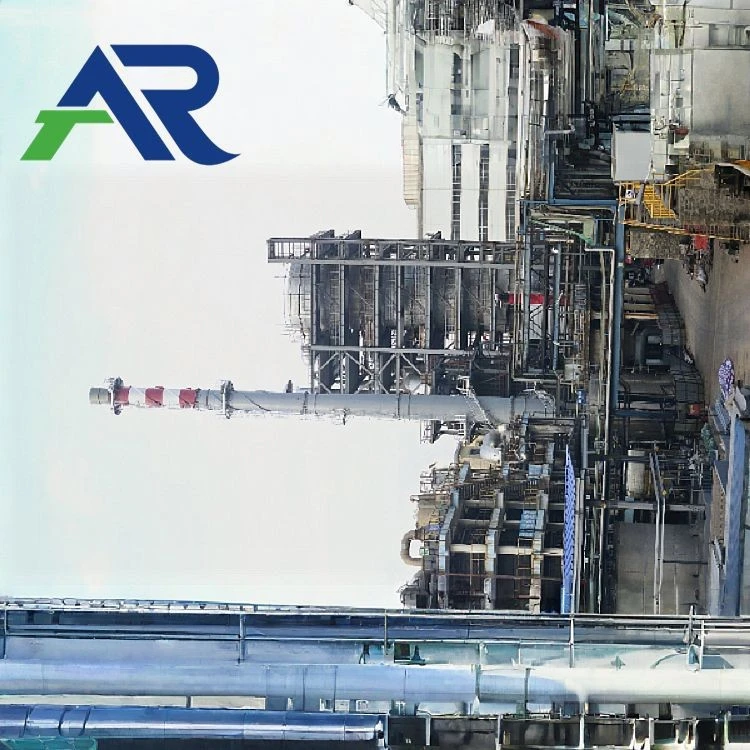
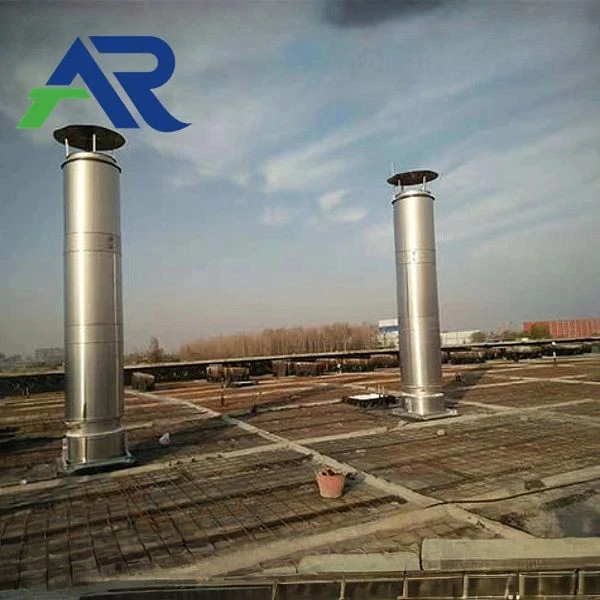
As a tower chimney supplier, I offer a variety of tower chimneys to meet the diverse needs of different industries. Two popular types are the Titanium Steel Composite Plate Tower Chimney and the Fiberglass Tower Chimney.
The Titanium Steel Composite Plate Tower Chimney is known for its high strength and corrosion resistance. In industries where the exhaust gases are highly corrosive, such as the chemical and petrochemical industries, this type of chimney can have a longer service life compared to traditional chimneys. A longer service life means less frequent replacement and lower maintenance costs over the long term. Additionally, its high - strength properties allow for a more compact design, which can save on construction space and costs.
On the other hand, the Fiberglass Tower Chimney is lightweight and easy to install. This reduces the installation time and labor costs. Fiberglass is also resistant to many chemicals, making it suitable for a wide range of industrial applications. Its smooth inner surface reduces the friction of the exhaust gases, which can improve the flow efficiency and reduce the energy required to expel the gases.
Impact on Local Economy
The construction of tower chimneys also has a positive impact on the local economy. When a company decides to build a tower chimney, it requires a significant amount of materials and labor. This stimulates the local construction industry, creating jobs for local workers such as masons, welders, and engineers.
In addition, the suppliers of raw materials such as steel, fiberglass, and concrete also benefit from the increased demand. This ripple effect can boost the economic activity in the surrounding area, leading to higher tax revenues for the local government. The presence of well - maintained industrial facilities with tower chimneys can also attract other businesses to the area, further promoting economic development.
Long - term Value
Investing in tower chimneys provides long - term value for industries. These structures are built to last for decades, and their economic benefits continue to accrue over time. As industries grow and expand, the tower chimneys can be upgraded and modified to meet the changing needs.
For example, as environmental regulations become more stringent, the pollution control devices in the tower chimneys can be updated to achieve higher levels of pollutant removal. This adaptability ensures that the industries can continue to operate efficiently and in compliance with the law without having to replace the entire chimney structure.
Conclusion
In conclusion, the economic benefits of building tower chimneys are numerous and far - reaching. From enhancing industrial efficiency and ensuring environmental compliance to saving energy and stimulating the local economy, tower chimneys play a crucial role in the success of various industries. As a tower chimney supplier, I am committed to providing high - quality products that can help industries realize these economic benefits.
If you are considering building a tower chimney for your industrial facility, I encourage you to contact me for a detailed consultation. We can discuss your specific needs, evaluate the most suitable type of chimney for your application, and provide you with a competitive quote. Let's work together to build a more efficient and sustainable industrial future.
References
- "Industrial Ventilation: A Manual of Recommended Practice", American Conference of Governmental Industrial Hygienists.
- "Environmental Regulations and Their Impact on Industrial Operations", Environmental Protection Agency.
- "Energy - Efficient Industrial Processes", International Energy Agency.