

Yo, folks! As a supplier of tower chimneys, I've seen firsthand the challenges these structures face, especially when it comes to salt - spray corrosion. Salt - spray can be a real pain in the neck for tower chimneys, especially those located near the coast. In this blog, I'm gonna share some of the top salt - spray protection measures for tower chimneys.
Understanding the Threat of Salt - Spray
First things first, let's talk about why salt - spray is such a big deal. Salt - spray contains a high concentration of salt particles, mainly sodium chloride. When these particles land on the surface of a tower chimney, they can start a corrosive process. The salt can attract moisture from the air, creating a conductive electrolyte solution. This solution allows for the flow of electrons, which speeds up the oxidation process of the metal in the chimney. Over time, this corrosion can weaken the structure, leading to leaks, structural failures, and costly repairs.
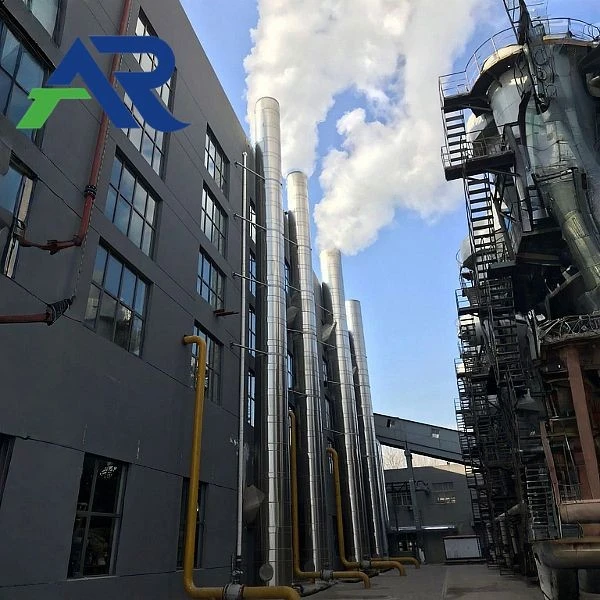
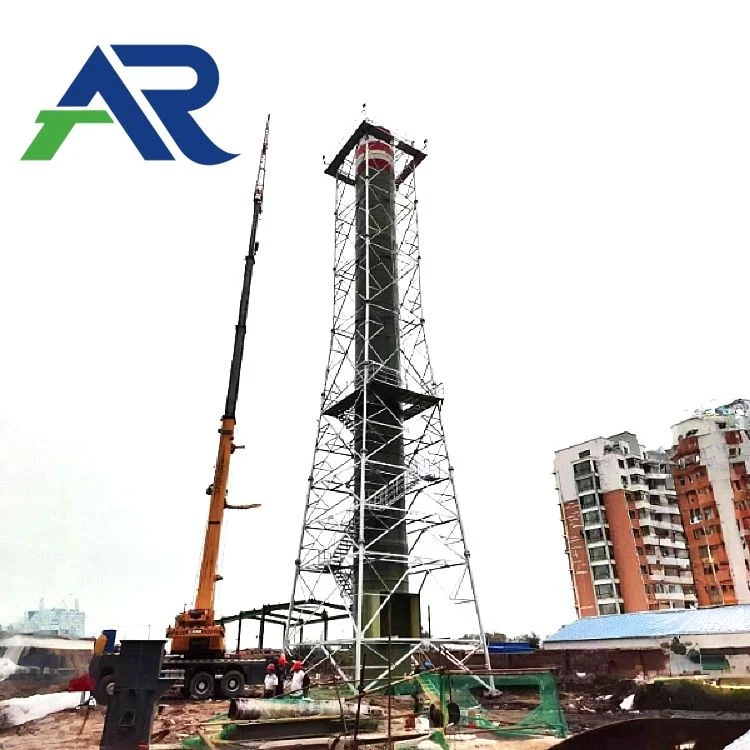
Material Selection
One of the most effective ways to protect tower chimneys from salt - spray is to choose the right materials in the first place.
Titanium Steel Composite Plate Tower Chimney
Titanium is an excellent material when it comes to corrosion resistance. It forms a passive oxide layer on its surface, which acts as a barrier against further corrosion. When combined with steel in a composite plate, you get the best of both worlds. The steel provides the structural strength, while the titanium protects against salt - spray corrosion. Check out Titanium Steel Composite Plate Tower Chimney for more details on this option.
Fiberglass Tower Chimney
Fiberglass is another great choice. It's non - metallic, so it doesn't corrode like metal. Fiberglass is also highly resistant to chemicals, including the salts in salt - spray. It's lightweight, easy to install, and has excellent durability. If you're interested in a fiberglass option, take a look at Fiberglass Tower Chimney.
Protective Coatings
Even if you choose a corrosion - resistant material, applying a protective coating can add an extra layer of defense.
Epoxy Coatings
Epoxy coatings are popular because they form a tough, durable barrier on the surface of the chimney. They can resist a wide range of chemicals, including salt - spray. Epoxy coatings also have good adhesion properties, which means they stick well to the chimney surface and don't peel off easily.
Polyurethane Coatings
Polyurethane coatings are known for their flexibility and abrasion resistance. They can withstand the harsh environmental conditions that tower chimneys are exposed to, including the impact of salt - spray. These coatings also provide a smooth finish, which can help prevent the accumulation of salt particles.
Regular Inspections and Maintenance
No matter how good your protection measures are, regular inspections and maintenance are crucial.
Visual Inspections
Conduct visual inspections on a regular basis. Look for signs of corrosion, such as rust spots, flaking paint, or pitting on the surface of the chimney. If you notice any issues, address them immediately to prevent further damage.
Cleaning
Clean the chimney regularly to remove any salt deposits. You can use a mild detergent and water to gently wash the surface. Avoid using abrasive cleaners, as they can damage the protective coatings or the chimney material itself.
Repairs
If you find any areas of damage during your inspections, make the necessary repairs right away. This could involve patching up small holes, reapplying coatings, or replacing damaged sections of the chimney.
Cathodic Protection
Cathodic protection is a technique used to prevent corrosion by making the chimney the cathode of an electrochemical cell. There are two main types of cathodic protection: sacrificial anode protection and impressed current protection.
Sacrificial Anode Protection
In sacrificial anode protection, a more reactive metal, such as zinc or magnesium, is connected to the chimney. The sacrificial anode corrodes instead of the chimney, protecting it from salt - spray corrosion. This method is relatively simple and cost - effective, but the sacrificial anodes need to be replaced periodically as they corrode.
Impressed Current Protection
Impressed current protection involves applying an external electrical current to the chimney. This current counteracts the natural corrosion process, preventing the chimney from corroding. This method is more complex and requires a power source, but it can provide long - term protection.
Design Considerations
The design of the tower chimney can also play a role in salt - spray protection.
Drainage
Make sure the chimney is designed with proper drainage. Salt - water should be able to drain off the chimney easily, rather than pooling on the surface. This can help prevent the formation of corrosive electrolyte solutions.
Shape
The shape of the chimney can affect the accumulation of salt particles. A smooth, streamlined shape is better than a shape with lots of crevices or protrusions, as it's less likely to trap salt - spray.
Conclusion
Protecting tower chimneys from salt - spray is a multi - faceted approach. It involves choosing the right materials, applying protective coatings, conducting regular inspections and maintenance, using cathodic protection, and considering the design of the chimney. By implementing these measures, you can extend the lifespan of your tower chimney and save on costly repairs.
If you're in the market for a tower chimney or need advice on salt - spray protection, don't hesitate to reach out. We're here to help you make the best choice for your needs. Whether you're looking for a Titanium Steel Composite Plate Tower Chimney or a Fiberglass Tower Chimney, we've got you covered. Let's start the conversation and find the perfect solution for your project.
References
- Jones, D. A. (1992). Principles and Prevention of Corrosion. Macmillan Publishing Company.
- Uhlig, H. H., & Revie, R. W. (1985). Corrosion and Corrosion Control: An Introduction to Corrosion Science and Engineering. John Wiley & Sons.