

What is the Design Principle of a Factory Chimney?
As a seasoned supplier of factory chimneys, I've witnessed firsthand the critical role these structures play in industrial operations. Factory chimneys are not just towering structures; they are engineered marvels designed to meet specific functional, environmental, and safety requirements. In this blog, I'll delve into the key design principles that govern the creation of factory chimneys, offering insights into the science and engineering behind these essential industrial components.
1. Functionality: Efficient Gas Dispersion
The primary function of a factory chimney is to safely remove and disperse exhaust gases, including pollutants and particulate matter, from industrial processes. To achieve this, the chimney must be designed to create sufficient draft, which is the force that draws air and combustion products up through the chimney and out into the atmosphere.
The draft is generated by the difference in temperature between the hot gases inside the chimney and the cooler ambient air outside. The taller the chimney, the greater the draft, as the pressure difference increases with height. This is why many industrial chimneys are built to be extremely tall, sometimes reaching hundreds of meters.
In addition to height, the cross - sectional area of the chimney also affects draft. A larger cross - sectional area can accommodate more gas flow, but it may also reduce the velocity of the gases, potentially leading to poor dispersion. Therefore, the design must strike a balance between the volume of gas to be removed and the required gas velocity for efficient dispersion.
For example, in a power plant, the chimney needs to handle large volumes of flue gases produced by the combustion of fossil fuels. The design will be optimized to ensure that these gases are carried away from the plant site quickly and dispersed over a wide area to minimize the concentration of pollutants at ground level.
2. Structural Integrity: Withstanding Environmental Forces
Factory chimneys are exposed to a variety of environmental forces, including wind, seismic activity, and temperature variations. Therefore, their design must ensure structural integrity over their intended lifespan.
Wind is one of the most significant forces acting on a chimney. As the wind blows against the chimney, it creates pressure differentials that can cause the chimney to sway or even collapse if not properly designed. To counteract wind forces, chimneys are often designed with a tapered shape, which reduces the wind load by presenting a smaller surface area at the top.
Seismic activity is another concern, especially in regions prone to earthquakes. Chimneys must be designed to withstand the ground motion associated with seismic events. This may involve using flexible materials, reinforced concrete, or other seismic - resistant construction techniques.
Temperature variations can also affect the structural integrity of a chimney. The expansion and contraction of materials due to temperature changes can cause stress and cracking. To mitigate these effects, chimneys may be designed with expansion joints or made from materials with low thermal expansion coefficients.
3. Environmental Considerations: Minimizing Pollution
In today's environmentally conscious world, factory chimneys must be designed to minimize the impact of industrial emissions on the environment. This involves not only efficient gas dispersion but also the use of pollution control technologies.

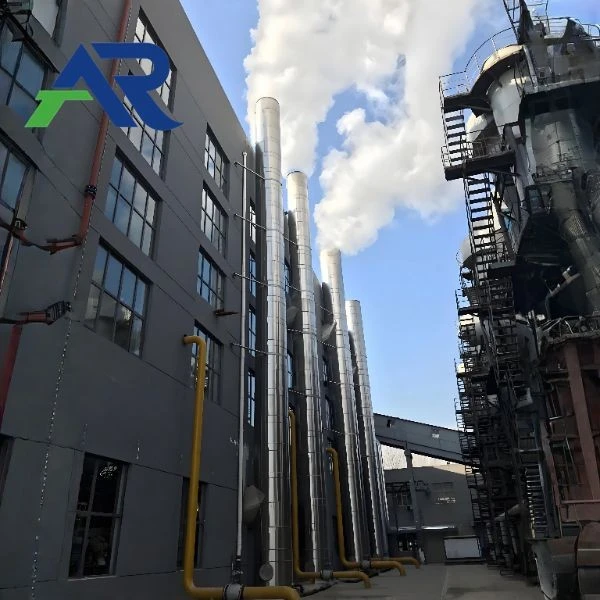
One common approach is the installation of scrubbers and filters inside the chimney or at the exhaust point. Scrubbers can remove pollutants such as sulfur dioxide and particulate matter from the flue gases by using chemical reactions or physical separation methods. Filters, on the other hand, can trap fine particles, preventing them from being released into the atmosphere.
Another important aspect is the design of the chimney outlet. The shape and orientation of the outlet can affect the dispersion pattern of the gases. For example, a well - designed outlet can create a plume that rises higher and spreads out more effectively, reducing the ground - level concentration of pollutants.
As a supplier, we offer a range of chimney solutions that are designed with environmental considerations in mind. Our Chimney For Factory is engineered to meet strict environmental standards, ensuring that industrial emissions are managed responsibly.
4. Aesthetics and Integration: Blending with the Surroundings
While the primary functions of a factory chimney are functional and safety - related, aesthetics also play a role in the design process. In some cases, chimneys can be designed to blend in with the surrounding landscape or architectural style.
For example, Landscape Chimney is a type of chimney that is designed to be visually appealing. These chimneys may feature unique shapes, colors, or decorative elements that make them less obtrusive in the environment. They can also be integrated into the overall design of the factory complex, enhancing its visual appeal.
In addition to aesthetics, the chimney must also be integrated with other industrial systems, such as the boiler, furnace, or exhaust ducts. The design must ensure seamless connectivity and efficient operation of these systems to maximize the overall performance of the factory.
5. Insulation: Energy Efficiency and Safety
Insulation is an important design consideration for factory chimneys, especially in applications where high - temperature gases are involved. Proper insulation can improve energy efficiency by reducing heat loss from the chimney, which in turn can lower the energy consumption of the industrial process.
Insulation also plays a role in safety. By keeping the outer surface of the chimney at a lower temperature, it reduces the risk of burns to personnel and minimizes the potential for fire hazards.
Our Double - layer Insulation Chimney is a prime example of a chimney design that incorporates effective insulation. The double - layer structure provides an additional barrier against heat transfer, ensuring that the chimney operates efficiently and safely.
Conclusion
The design of a factory chimney is a complex process that involves multiple disciplines, including engineering, environmental science, and architecture. By considering the principles of functionality, structural integrity, environmental impact, aesthetics, and insulation, we can create chimneys that meet the diverse needs of industrial clients.
If you're in the market for a factory chimney and want to discuss your specific requirements, I encourage you to reach out. Our team of experts is ready to provide you with customized solutions that are tailored to your industrial processes and environmental regulations. Let's work together to design and install a chimney that not only meets your needs but also contributes to a cleaner and more sustainable future.
References
- ASME Boiler and Pressure Vessel Code, Section I, Power Boilers
- International Building Code (IBC)
- American Society of Civil Engineers (ASCE) standards for wind and seismic design
- Environmental Protection Agency (EPA) regulations on industrial emissions